On November 19, 2023, a dramatic incident unfolded in the Red Sea when a helicopter belonging to the Houthi-controlled Yemeni Navy intercepted the vehicle carrier Galaxy Leader, which was sailing near the bustling port city of Jeddah. In a striking display of power, armed and masked operatives descended onto the ship’s deck, hoisting Yemeni and Palestinian flags, and compelled the vessel to redirect to the port of Hodeida. Since that day, the Galaxy Leader has become an unexpected social media sensation, as Yemeni influencers flock to the site for selfies and TikTok videos, while its crew, primarily composed of Filipino and Eastern European nationals, remains detained without clarity on their release timeline.
This incident is emblematic of the broader turmoil affecting West Asia, particularly in light of the ongoing conflict in Palestine. While Israel has described Galaxy Leader as a “British-owned and Japanese-operated” vessel, the reality is more intricate. The ship, chartered from Ray Car Carriers, operates under the aegis of the Japanese shipping giant Nippon Yusen but is ultimately under the ownership of Rami Ungar, an Israeli billionaire and prominent car importer with close ties to Israeli political figures, including the former Defence Minister Yoav Gallant, who has controversially called for escalated military actions against Gaza. This complex web of ownership and political connections highlights the intertwined nature of commerce and conflict in the region.
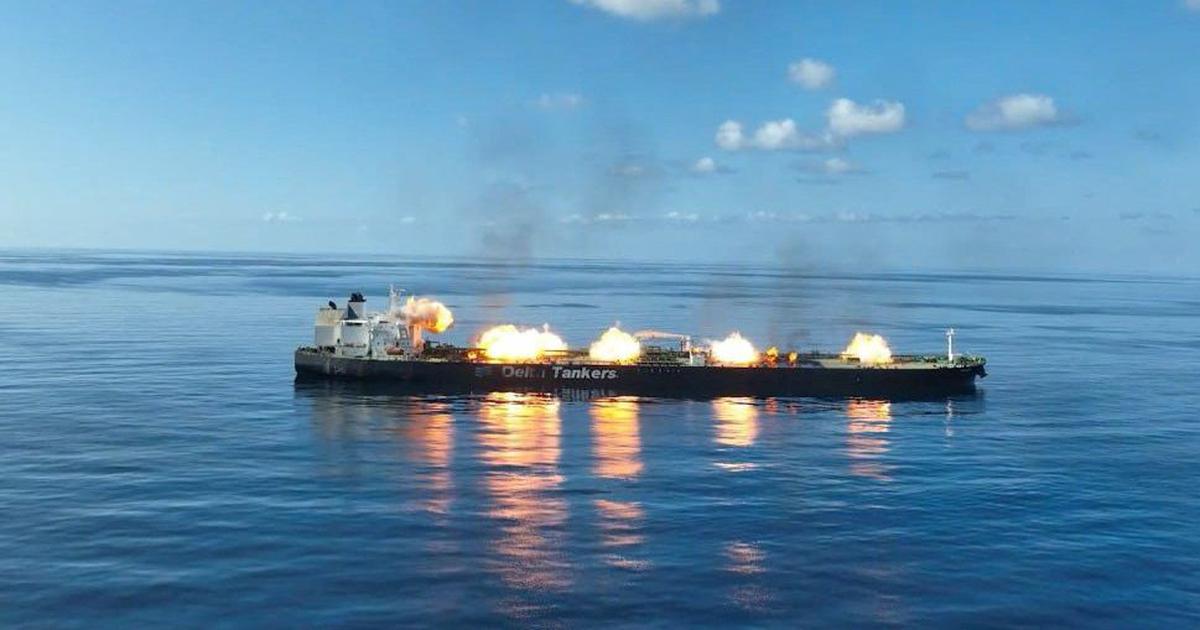
In the aftermath of the Galaxy Leader’s seizure, maritime safety has been significantly compromised. Reports indicate that within weeks, 13 out of 32 vessels targeted by the Yemeni Navy were struck by missiles or drones, underscoring the perilous environment in the Red Sea. Such incidents not only jeopardize the lives of crew members but also threaten the stability of global trade routes, which are increasingly vulnerable to the ripple effects of conflicts in West Asia.
The implications of this unrest extend far beyond the immediate geographical area, affecting global supply chains and international commerce. With major shipping routes under threat, businesses worldwide, including those in India, are closely monitoring developments in the region. The potential for disruption in trade could lead to significant economic ramifications, including rising costs and delays in the delivery of goods.
As the situation continues to evolve, it serves as a stark reminder of the interconnectedness of global politics and trade. The unrest in West Asia, fueled by longstanding grievances and recent escalations, has the potential to disrupt not only regional stability but also the broader economic landscape. As countries like India navigate these challenges, the need for robust diplomatic engagements and strategic partnerships becomes increasingly critical in safeguarding national interests and ensuring the smooth flow of commerce.