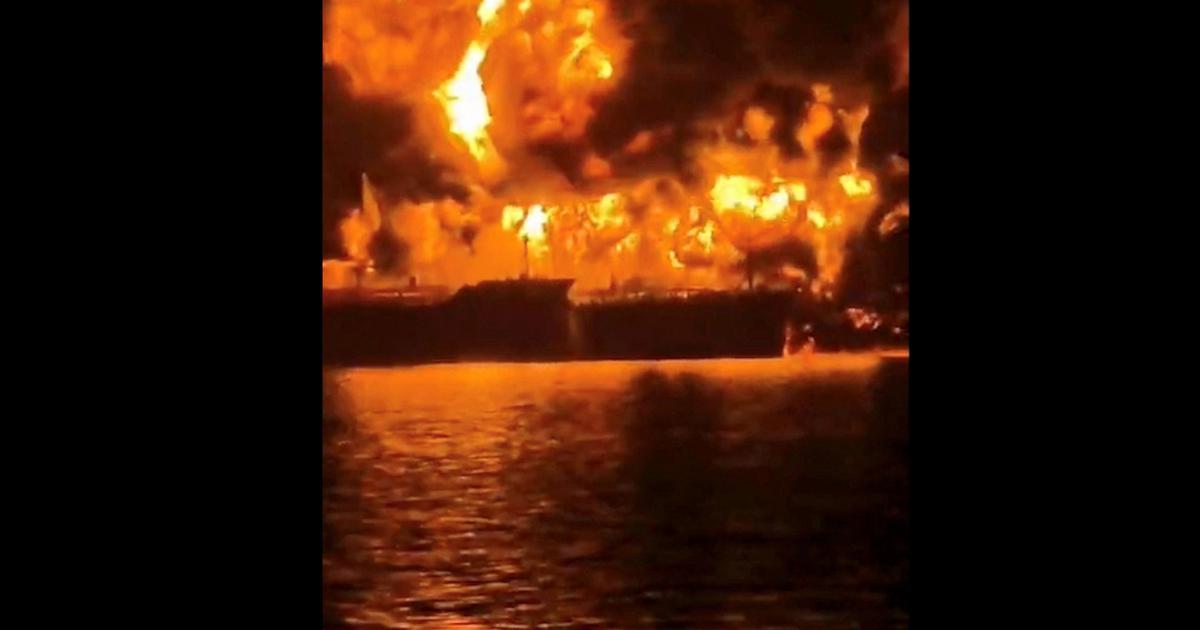
Violence erupted in the Gulf region as Iran intensified its assaults on energy infrastructure, prompting Iraq to take drastic measures. On Thursday, fresh strikes targeted two oil tankers near Iraq, resulting in the tragic death of one crew member and the rescue of 38 others. In response, Iraqi authorities have halted all operations at their oil terminals, although they clarified that commercial port activities continue uninterrupted.
This escalation follows Iran’s ominous warning that it could engage in a prolonged conflict with ramifications that could severely damage the global economy. US President Donald Trump weighed in on the situation, asserting that Iran is nearing a breaking point but emphasized that immediate resolutions aren’t on the table just yet. He described the US’s position as “very good” and highlighted ongoing surveillance of the Strait of Hormuz, a critical waterway for oil transport.
Interestingly, an employee at Iraq’s Basra oil terminal noted uncertainty about the nature of the attack—whether it involved drones or boats laden with explosives. Farhan Al-Fartousi, the director general of Iraq’s General Company for Ports, echoed this sentiment, indicating that the specifics remain murky.
As tensions simmer, the United Nations has stepped in, calling for an immediate cessation of hostilities in the Gulf. The international community is anxiously monitoring the developments, fearing that unchecked violence could escalate into a wider conflict.
In a related concern, President Trump mentioned potential threats from Iranian sleeper cells within the US, following an FBI bulletin warning of a possible drone plot targeting California. The situation continues to evolve, and many are left wondering what the next steps will be in this rapidly changing landscape.