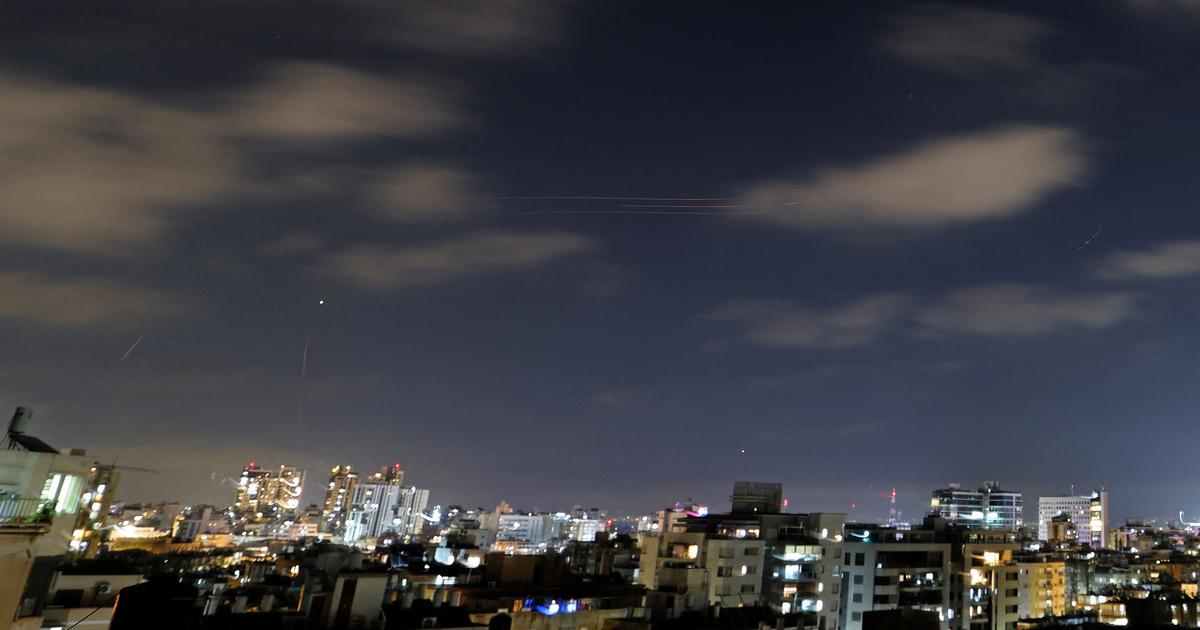
In a significant escalation of military hostilities, Israel has conducted airstrikes targeting military installations in western and central Iran. This decision comes as a direct response to a recent missile attack launched by Tehran, marking the first major military action since a ceasefire was established on April 8. The situation is further complicated by calls for de-escalation from U.S. President Donald Trump, who reportedly urged Israeli Prime Minister Benjamin Netanyahu to avoid further military engagements.
President Trump’s comments highlight a complicated diplomatic landscape, as he asserted that the ongoing military actions by both Israel and Iran would not impede his administration’s peace negotiations with Tehran. His statement, asserting that Netanyahu “does not call the shots,” indicates a possible shift in U.S. foreign policy and a desire to rein in Israeli military actions that could destabilize the region further.
The backdrop of these strikes is a series of exchanges between Israel and Iranian-backed groups, particularly Hezbollah. Israel recently accused Hezbollah of launching attacks from Lebanon, prompting their airstrike on the southern suburbs of Beirut. This action occurred despite pressure from Washington for both sides to maintain peace and engage in diplomatic discussions, underscoring the fragile nature of the agreed-upon ceasefire.
Moreover, just hours following the Iranian missile strike, Israel intercepted another missile reportedly fired from Yemen, indicating the broader regional implications of this conflict. The tensions in the Middle East have often involved multiple state and non-state actors, showcasing a complex web of alliances and animosities that could easily escalate into larger conflicts.
As Israel and Lebanon had only recently agreed to resume peace negotiations on June 3, the present military actions threaten to unravel these diplomatic efforts. Hezbollah’s rejection of the ceasefire agreement adds another layer to the already intricate situation, as the group operates independently of the Lebanese government. This independence allows it to complicate the peace process further, potentially impacting not just Lebanon but the entire West Asian region.
For India, which has vested interests in Middle Eastern stability due to its large diaspora and economic ties, the repercussions of these escalations could be profound. The Indian government has consistently advocated for peaceful resolutions to conflicts in the region, recognizing that prolonged instability could affect security and economic interests.