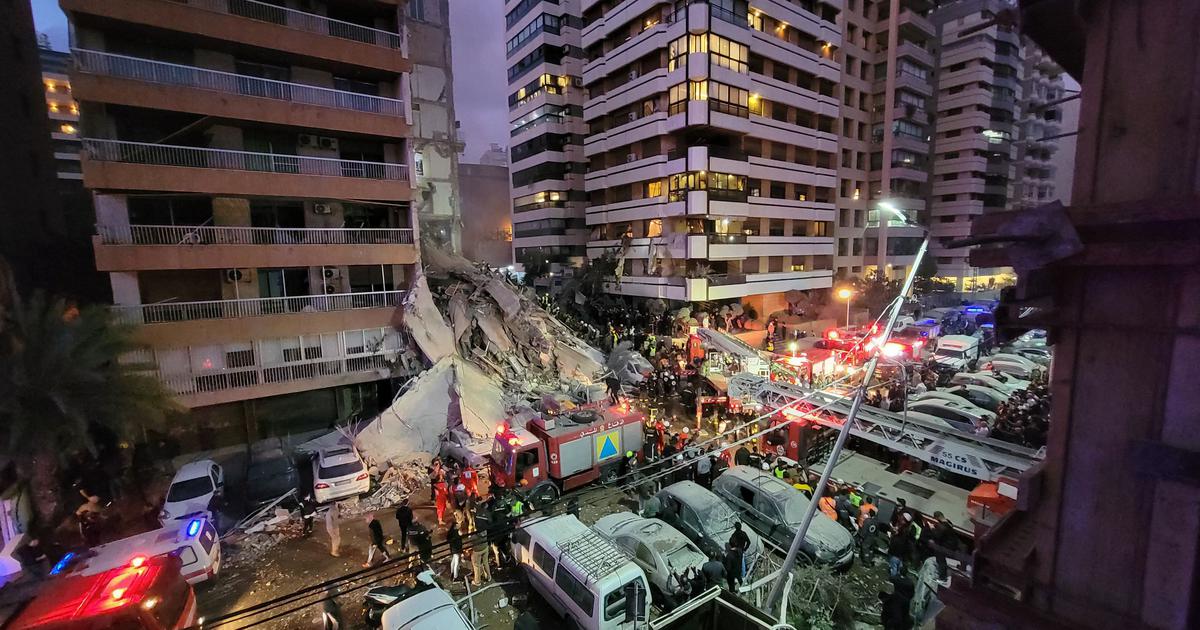
In a dramatic turn of events, Israel has conducted airstrikes in Lebanon just hours after a ceasefire was announced, significantly escalating tensions in the region. Reports from Al Jazeera indicate that at least 254 individuals lost their lives and over 1,165 were injured due to the Israeli military operations, according to Lebanon’s health ministry.
The Israeli military, in what it described as the largest coordinated assault since the onset of the current conflict, executed these strikes in a rapid ten-minute operation. Targeting over 100 structures linked to Hezbollah, an Iranian-backed militant group, the strikes spanned across major Lebanese cities including Beirut, Beqaa, and southern Lebanon.
This sudden escalation has drawn sharp reactions on the international stage. Iranian state media, Press TV, reported that Iran has once again closed the Strait of Hormuz in response to these attacks, raising concerns about the implications for global oil transport through this critical maritime route. The closure of Hormuz has been labeled as “unacceptable” by the United States, with White House Press Secretary Karoline Leavitt emphasizing the need for Iran to reopen the strait immediately and safely.
In an official statement, Iran’s Parliament Speaker MB Ghalibaf expressed discontent over perceived violations of the ceasefire agreement, asserting that the promises made in the U.S. President’s ten-point plan have not been upheld. He specifically highlighted the failure to adhere to ceasefire terms in Lebanon, emphasizing the fragility of the current diplomatic situation.
The situation remains tenuous as the international community watches closely. With both diplomatic and military maneuvers intensifying, the potential for further conflict looms large. For many in India and around the world, understanding the complexities of this conflict is crucial, as the consequences extend beyond the immediate region, affecting global politics and economics.