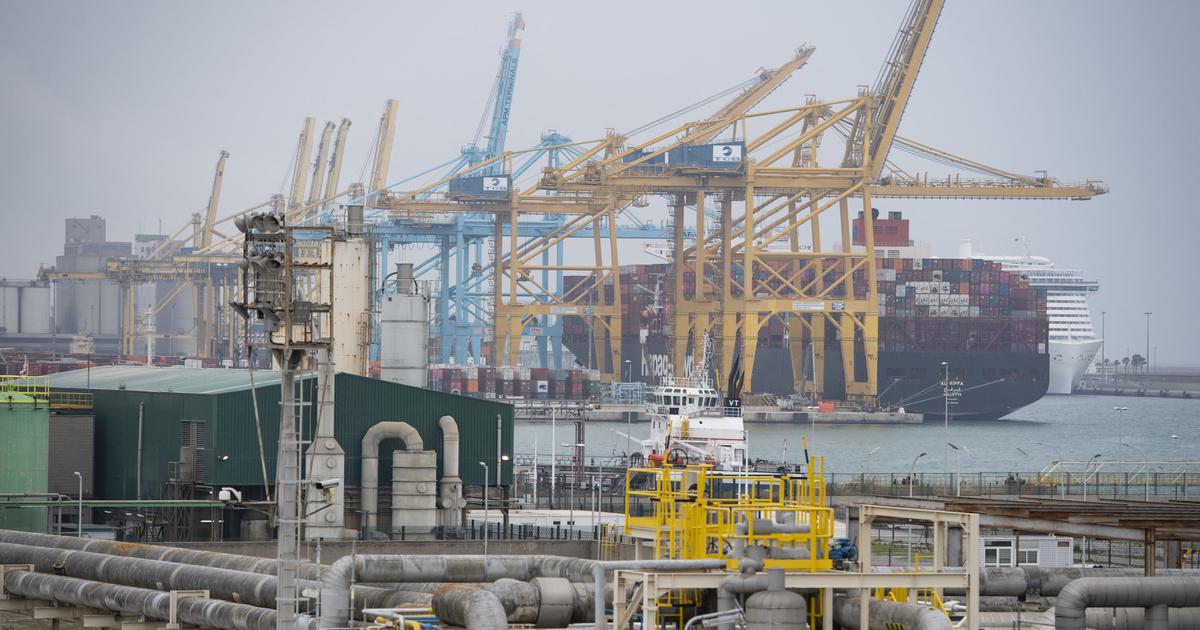
Gas prices in Europe have seen an alarming increase of 35% as tensions escalate in the Gulf region. The spike, attributed to heightened supply concerns, follows a series of Iranian strikes on energy installations, including Qatar’s vital liquefied natural gas (LNG) complex. These developments have sent shockwaves through the energy markets, raising alarms about potential shortages.
The catalyst for this unrest was Iran’s retaliation against an attack on its refinery, which occurred on Wednesday. The Iranian military targeted key energy assets across the Gulf, notably the Ras Laffan industrial area in Qatar, which is recognized as home to the world’s largest LNG facility. This complex, crucial to global energy supply, accounted for 19% of liquefied natural gas exports in 2025, making it a significant player in the international market.
Iran’s aggressive action was reportedly in response to a prior assault by Israeli and U.S. forces on its energy infrastructure linked to the South Pars gas field—an expansive reserve that Iran shares with Qatar. The situation escalated further with Iranian strikes on additional facilities, including the Habshan gas plant and the Bab oil field, both located in the United Arab Emirates. These developments have raised questions about the stability of energy supplies to Europe and beyond.
In the wake of these attacks, a coalition of Arab and Islamic nations convened in Riyadh to address the escalating crisis. The foreign ministers of 12 countries, including Qatar, Saudi Arabia, and the United Arab Emirates, condemned Iran’s actions as unjustifiable. In their joint statement, they invoked Article 51 of the United Nations Charter, highlighting the right of nations to defend themselves. The ministers collectively urged Iran to cease its military operations immediately and adhere to principles of regional stability.
This recent surge in gas prices is particularly concerning for countries in Europe, many of which are already grappling with energy supply issues following shifts in global geopolitics and the ongoing conflict in Ukraine. For India, a nation that imports a significant portion of its energy, the ramifications of such fluctuations could be profound, potentially affecting fuel prices and economic stability. As the situation develops, the global community watches closely, aware that these events could herald a new phase of volatility in the energy sector.