Exploring Cultural Dialogues: Insights from Romila Thapar and Namit Arora’s ‘Speaking of History’
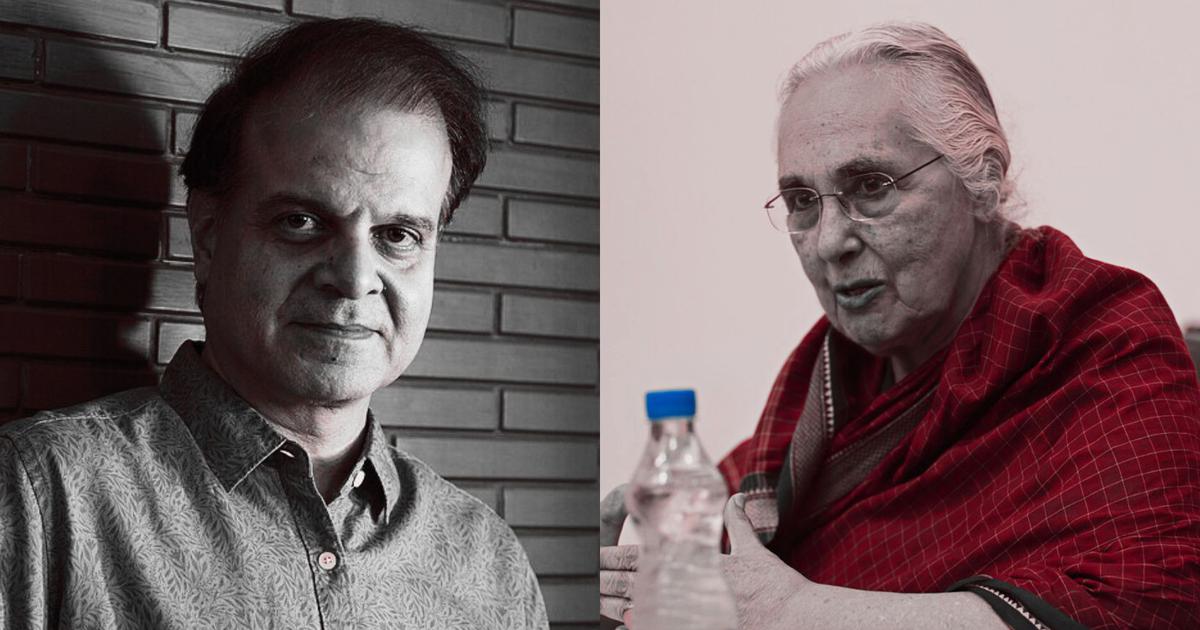
The recently launched book Speaking of History features an engaging dialogue between eminent historian Romila Thapar and writer Namit Arora, who also delves into public history. This thought-provoking dialogue encapsulates a range of topics related to India’s rich cultural heritage and its ongoing debates, inviting readers to reflect on the intricate relationship between culture and society.
Thapar’s discourse begins by redefining culture as encompassing the “patterns of life” prevalent in society. In her perspective, society itself is shaped by these cultural frameworks, suggesting a dynamic interplay where each element informs the other. This foundational concept paves the way for a deeper exploration of how cultural identities evolve, especially in a diverse nation like India.
To contextualize these ideas, one might draw parallels with Jawaharlal Nehru’s seminal work, The Discovery of India. In his reflections, Nehru emphasizes “the problem of human relationships” and highlights the ancient civilizations of India and China as exemplary models that cultivated specific social behaviors contributing to individual poise. He poses a critical question: does this poise withstand the relentless march of time, or is it inherently resistant to change?
Nehru advocates for a delicate balance between maintaining this poise and embracing progress, suggesting that wisdom and scientific advancement should coexist harmoniously. The ongoing discussion led by Thapar and Arora echoes this sentiment, as they navigate the complexities of cultural evolution in modern India. Their dialogue not only critiques historical narratives but also champions the need for a nuanced understanding of cultural heritage amidst contemporary challenges.
As social commentators, both Thapar and Arora articulate a vision for India’s future that acknowledges its past while being responsive to change. This balance is vital in a society that is often in flux, particularly in an age dominated by rapid globalization and technological innovation. Their insights serve as a reminder that the essence of Indian culture is not static; instead, it is a living entity that continues to adapt and redefine itself in new contexts.