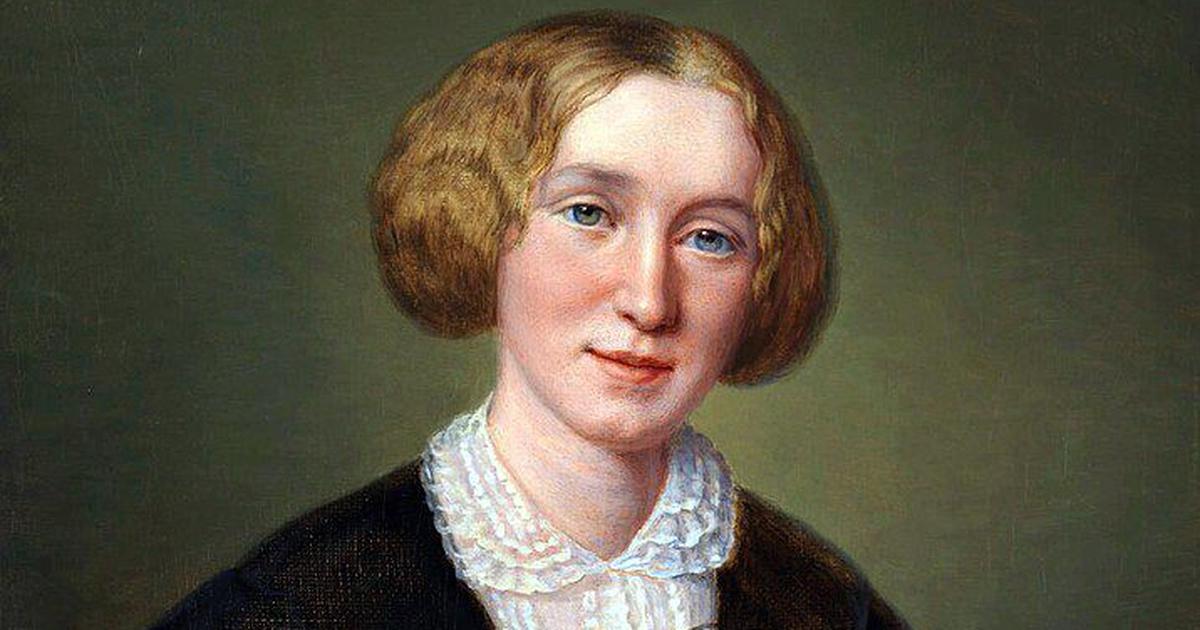
George Eliot, the pseudonym of the renowned Victorian novelist Mary Ann Evans, is often celebrated for her profound storytelling in realist fiction, particularly through masterpieces like Adam Bede, The Mill on the Floss, Middlemarch, and Daniel Deronda. These works have left an indelible mark on literature, depicting the intricacies of human relationships and societal norms of the era. However, a lesser-known facet of her literary repertoire is her early foray into science fiction, exemplified by her 1859 novella, The Lifted Veil.
At a time when science fiction was still evolving as a genre, Eliot’s The Lifted Veil stands out as a pioneering narrative that challenges conventional perceptions of her literary identity. While Mary Shelley’s Frankenstein is frequently acknowledged as the proto-science fiction novel, the term itself was not widely adopted until the late 19th century. During Eliot’s time, literature that grappled with contemporary scientific thought was still in its infancy, yet Eliot ventured into this territory with remarkable insight.
The Lifted Veil presents a unique first-person perspective through the protagonist Latimer, who finds himself on the brink of death. His narrative unfolds as a reflective exploration of his life, marked by an extraordinary ability that transcends mere human experience. Following a significant illness in his youth, Latimer discovers that his heightened sensitivity enables him to delve into the thoughts of others and glimpse future events. This notion of extrasensory perception not only adds a fantastical element to the story but also raises profound questions about the nature of consciousness and human connection.
Through Latimer’s journey, Eliot intricately intertwines elements of realism with speculative fiction, providing a fascinating glimpse into the scientific undercurrents that would eventually inform her later works. As readers navigate Latimer’s experiences, they are compelled to reconsider the boundaries between realism and fantasy, challenging the restrictive labels often placed on authors and their genres. This duality enriches not only our understanding of Eliot’s oeuvre but also prompts a deeper engagement with the ongoing evolution of literary categories.
In the context of contemporary Indian literature and the global literary landscape, Eliot’s venture into science fiction can inspire modern writers to explore interdisciplinary narratives that bridge the gap between genres. The early exploration of complex themes such as empathy, the future of humanity, and the ethical implications of scientific progress resonates with current debates around technology and society. As India grapples with rapid advancements in science and technology, the relevance of narratives like The Lifted Veil becomes increasingly pertinent, encouraging readers and writers alike to reflect on the implications of such progress.