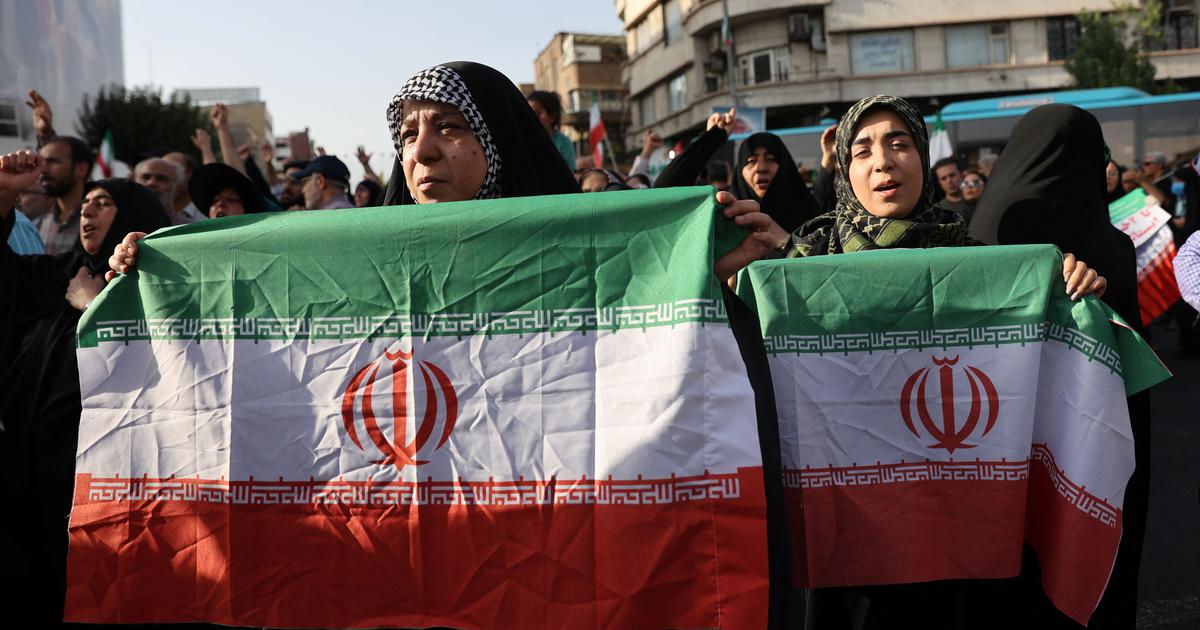
Since the dawn of the Islamic Revolution in 1979, Iran has often been portrayed in Western media as a strict theocracy, casting a shadow over the rich and intricate history of its diverse society. With a population exceeding 90 million, Iran’s narrative is anything but simplistic. As the world grapples with geopolitical tensions, it becomes vital to delve into the layered realities of this nation. To aid in this exploration, we consulted five experts on Iran who recommended a selection of books that provide profound insights into its politics, culture, and people.
One standout recommendation is Marjane Satrapi’s Persepolis, a graphic novel that recounts the author’s childhood against the backdrop of the 1979 revolution. Satrapi’s unique perspective—a blend of innocence and awareness—offers readers a glimpse into the turbulence of her formative years, marked by political upheaval and societal transformation. This memoir, adorned with hand-drawn black-and-white illustrations, captures both the humor and the heartache of a nation in flux. It tells a deeply personal tale while also highlighting how a once-thriving civilization succumbed to the rule of an extremist minority.
Another poignant read, The Complete Persepolis, expands on Satrapi’s personal journey, providing context to the broader Iranian experience. It encapsulates the transition from a secular society to one governed by strict religious dogma, showcasing the struggles of its citizens, particularly women, in navigating a new reality fraught with restrictions.
For those interested in the intricate relationship between religion and politics in Iran, The Shia Revival by Vali Nasr is an enlightening choice. Nasr, an acclaimed scholar, explores the resurgence of Shiite Islam in the region and its implications for Iran’s political landscape. He provides a lens through which to understand the complex interplay of faith and governance, offering insights that resonate beyond Iran’s borders, particularly in a country like India where religious dynamics play a crucial role in politics.
Additionally, Reading Lolita in Tehran by Azar Nafisi offers a harrowing yet hopeful depiction of life in Iran under oppressive regimes. Nafisi, a literature professor, invites readers into her secret classroom where she and her students explore forbidden Western literature. This narrative serves as a testament to the resilience of the human spirit and the power of literature to inspire dissent against tyranny.
Lastly, for a raw and unfiltered perspective, Prisoner of Tehran by Marina Nemat sheds light on the dark realities of Iranian prisons. Nemat’s memoir recounts her harrowing experiences of imprisonment, torture, and ultimately survival. Her story is not just a personal recollection but a reflection of the broader human rights challenges faced by many in Iran. It acts as a crucial reminder of the cost of freedom and the enduring spirit of those who dare to speak out.
In conclusion, these five works collectively contribute to a deeper understanding of Iran, challenging monolithic views and inviting readers to appreciate the complexities of its society. As India continues to engage with global narratives, fostering an understanding of a nation like Iran is essential. These books not only illuminate the struggles of its people but also echo the universal themes of resilience, identity, and the quest for freedom in the face of adversity.