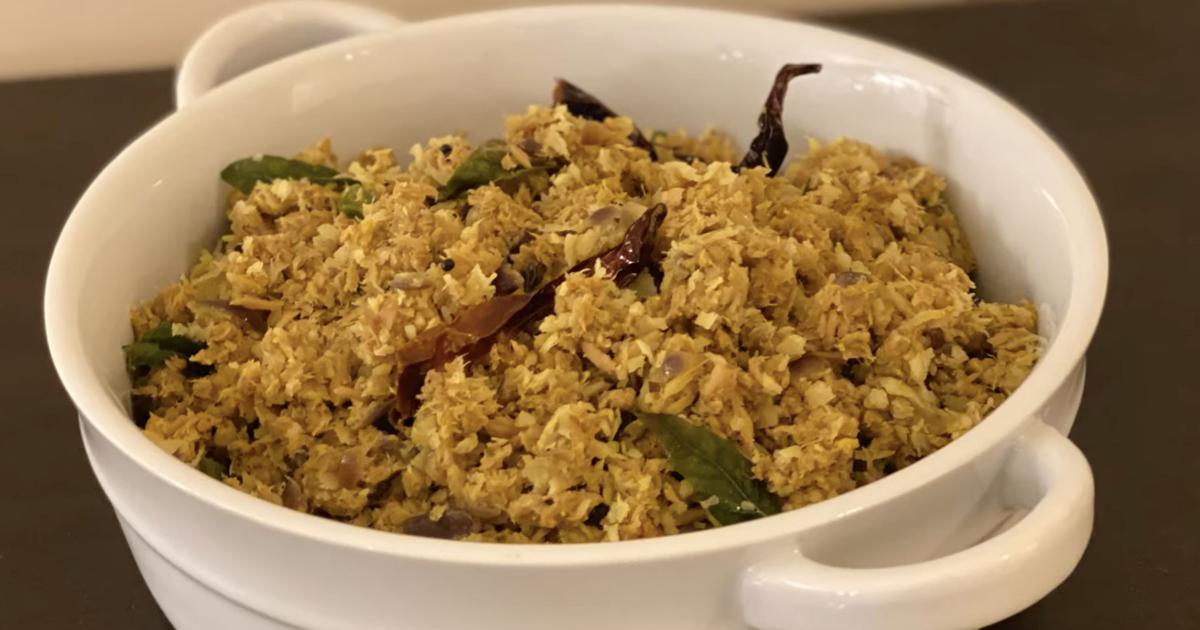
Nestled in the Arabian Sea, Lakshadweep boasts a rich tapestry of culinary traditions that echo its vibrant history. The islands, including Andrott, Kavaratti, Kalpeni, Amini, and Agatti, were primarily settled by people from Kerala, which has left a lasting imprint on their food culture. It’s fascinating how the use of coconut oil and curry leaves in everyday meals mirrors the delicious offerings of Malabar cuisine.
In the 7th century, the arrival of the Arab saint Ubaidulla in Amini significantly influenced the islands’ cultural landscape, intertwining Islamic traditions with local practices. This interaction didn’t stop there; Arab traders also introduced the islands to a wealth of spices, transforming the culinary scene with their richly flavored meat dishes and dried fruits. And then there’s Minicoy Island, which shares a culinary kinship with the Maldives, showcasing the region’s diverse food practices.
Today, Lakshadweep’s cuisine is a beautiful fusion of these historical influences. Islanders enjoy beloved Kerala staples, such as idli, dosa, aviyal, biryani, and the flaky Malabar parotta. But what sets Lakshadweep apart is its unique local ingredient—coconut jaggery. Made by slowly boiling the sap from coconut trees until it reaches a jelly-like consistency, this sweet treat is often enhanced with coral stones to balance its taste.
Interestingly, the blend of flavors that the islanders have cultivated over generations reflects their rich history of trade, travel, and faith. Whether you’re indulging in a bowl of tuna thoran or savoring mus kavaab, every bite tells a story of the islands’ past. So if you’re ever in Lakshadweep, dive into its vibrant gastronomy for a taste of history.