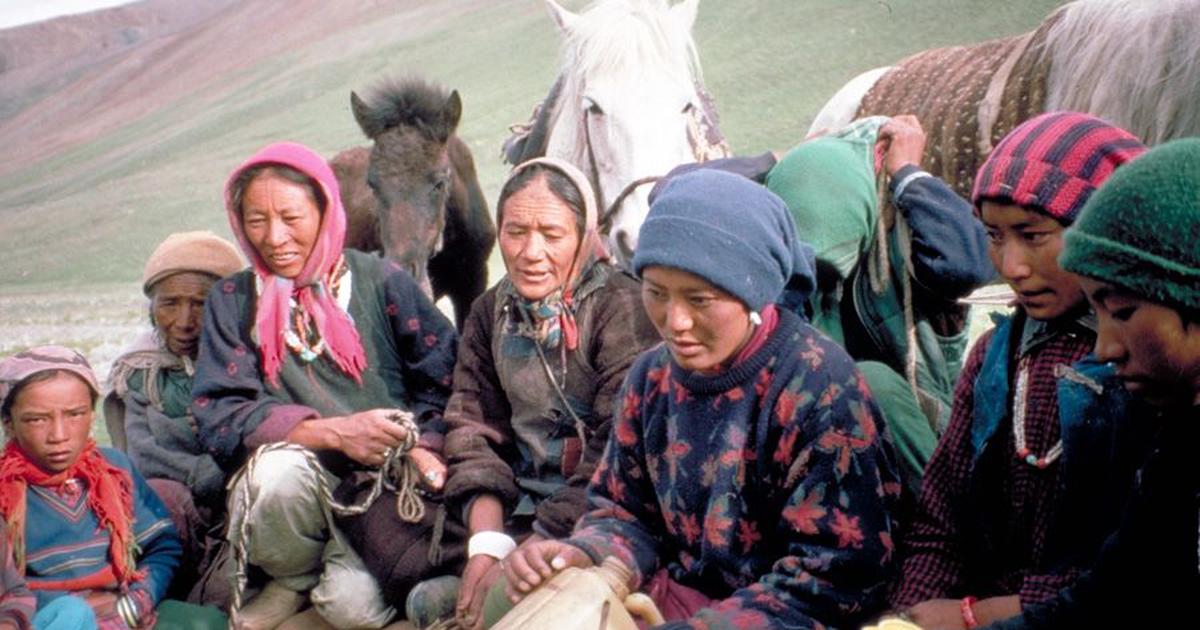
In the frigid heart of winter in 1979, a dynamic young postal worker named Tashi Tundup embarked on an ambitious mission. His task was to establish the first post office in the remote region of Zanskar, a place where snow shrouded barley fields, and mountain passes lay buried under thick blankets of white. In a time without modern telecommunications, the people of Zanskar relied on the occasional visits from nomadic traders for news from the outside world, making communication nearly impossible during the harsh winter months.
As temperatures plunged, the Zanskar River transformed into a glistening corridor of ice, famously known as the Chadar. This icy pathway became the sole means of leaving the valley during the cold season, and navigating it presented both significant risks and profound cultural significance. The Zanskar River, which flows through two high-altitude valleys—the Stod and Lungnak—meanders for approximately 150 kilometers through a stunning gorge before merging with the Indus River in central Ladakh. For centuries, the resilient Zanskari people traversed this frozen route, carrying precious goods like butter wrapped in animal skins to trade in the bustling markets of Leh.
Today, Zanskar stands at the intersection of age-old traditions and contemporary challenges, as climate change and social upheaval threaten its unique way of life. The harsh winters that once defined the region are becoming increasingly unpredictable, with warmer temperatures leading to a shorter winter season. This not only affects the Chadar trek but also disrupts traditional lifestyles that depend on the seasonal rhythms of nature.
As the ice melts earlier each year, the Zanskari community faces the dual challenge of adapting to a changing climate while preserving their cultural heritage. Young people, drawn to modern opportunities, often migrate to urban centers, leaving behind an aging population that struggles to maintain the customs and practices that have defined their identity for generations. The convergence of social change and environmental shifts is forcing Zanskari residents to rethink their survival strategies and community structures.
In response to these challenges, local leaders and environmental activists are advocating for sustainable practices that honor both the land and the community’s rich traditions. Initiatives aimed at preserving the delicate ecosystem while fostering economic resilience are essential as Zanskar navigates this tumultuous period in its history. The future of this remote region hinges on the ability of its people to adapt, innovate, and unite in the face of adversity, ensuring that the legacy of the Chadar and the spirit of the Zanskari people endure for generations to come.