Exploring the Impact of Colonialism on India’s Alcohol Preferences: The Rise of Madeira Wine
The influence of colonialism on India’s drinking habits is a fascinating subject, particularly when it comes to the evolution of alcoholic beverages in the subcontinent. Among various products introduced by European traders, wine has a unique story, having arrived in India long before the British established their foothold. This narrative highlights how Madeira, a sweet and robust wine from Portugal, found its niche in the Indian market, adapting remarkably to local conditions.
Historical records indicate that wine first made its way to India’s eastern shores in large Greek amphoras through ancient trade routes. However, the excitement over wine was short-lived as the local climate, particularly along the Malabar coast, proved unfavorable for grape cultivation. The humid conditions led to rapid spoilage, leaving consumers disillusioned. A significant shift occurred when Madeira, a fortified wine produced on the eponymous Portuguese island, started to gain popularity in India. Unlike traditional wines, Madeira thrived in the warm weather, making it an ideal choice for Indian customers.
As the demand for Portuguese Madeira grew, the beverage swiftly became a favorite among both men and women. A notable advantage was that Madeira could be enjoyed by women at a time when other spirits were generally off-limits. This cultural acceptance facilitated Madeira’s widespread consumption, leading to a substantial increase in imports. What began as a modest shipment of 100 pipes of Madeira transformed into an astonishing 6,400 pipes by the close of the 17th century. This surge represented a staggering 40% of all liquor sales in Madras (now Chennai), showcasing Madeira’s dominance in the burgeoning Indian market.
The rising popularity of Madeira did not go unnoticed in Portugal. Even traditional traders found themselves compelled to engage with Indian merchants to keep up with the demand. The historical account of colonial trade and alcohol consumption reflects broader patterns of cultural exchange and adaptation. As European powers expanded their reach, they not only brought goods but also reshaped local preferences and consumption habits.
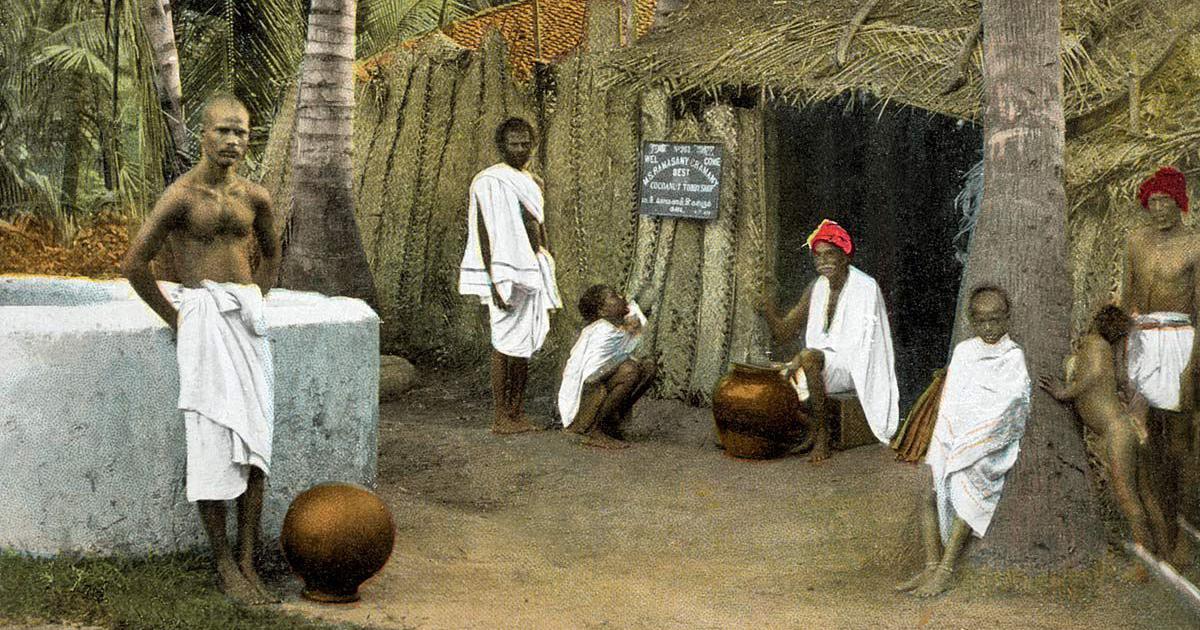
In contemporary India, the legacy of colonialism remains evident in the country’s diverse alcohol landscape. While traditional Indian beverages like arrack and toddy continue to be cherished, the influence of colonial-era imports like Madeira and whisky persists in urban bars and restaurants. As a nation that values its cultural heritage, understanding the historical context of these preferences enriches our appreciation for the complexities of India’s relationship with alcohol today.