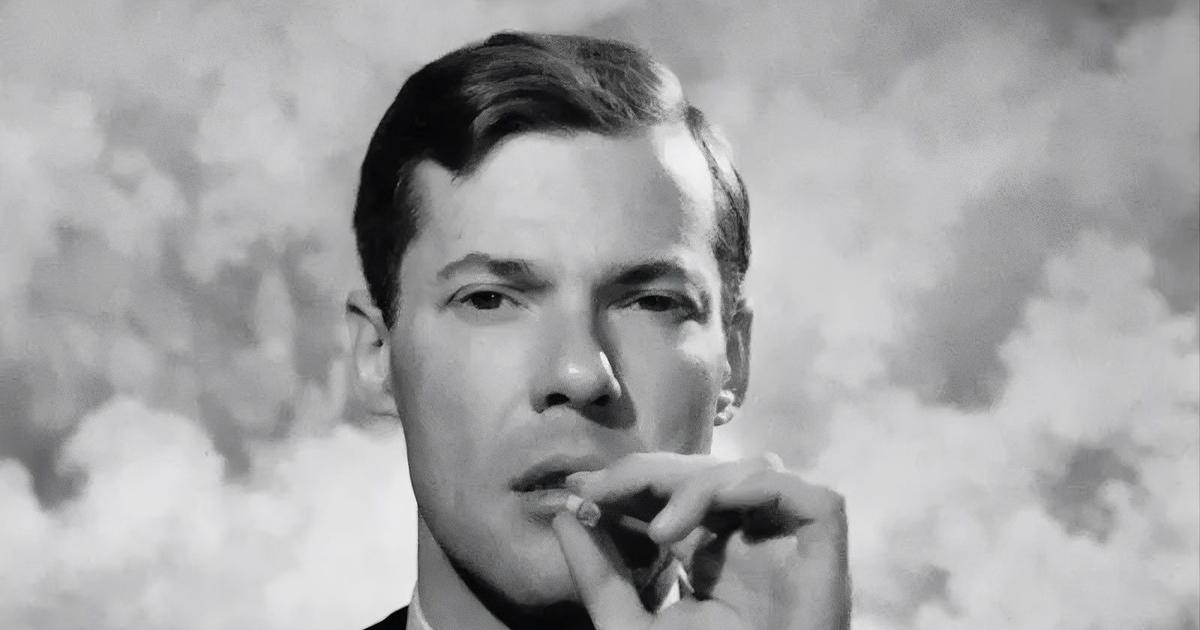
In the realm of literature, few authors capture the complexities of human relationships as eloquently as Glenway Wescott. His novel, The Pilgrim Hawk: A Love Story, serves as a profound exploration of the emotional intricacies inherent in a disintegrating marriage. The narrative unfolds in the vibrant backdrop of Paris, where the protagonist, Alwyn Tower, reflects on love, longing, and the often isolating nature of passion.
Wescott’s literary career, spanning over two decades, produced a noteworthy collection of works, including novels and poetry. His 1940 novel, The Pilgrim Hawk, stands out as a poignant examination of love’s fragility. The story centers around Alwyn, an aspiring writer, whose interactions with a seemingly ordinary Irish couple, the Cullens, reveal deep-seated tensions and vulnerabilities often masked by societal norms.
The Cullens—Madeleine, the spirited wife, and Larry, her somewhat awkward husband—embody the struggles many couples face. Larry’s clumsiness juxtaposed with Madeleine’s vivacity paints a vivid picture of a relationship at odds. As Wescott observed, “Life is almost all perch. There is no nest; and no one is with you, on exactly the same rock or out on the same limb.” This metaphor encapsulates the essence of the narrative, emphasizing the solitary nature of individual experiences within a shared relationship.
Born in 1901, Glenway Wescott was ahead of his time, not only in his exploration of emotional depth but also in his openness about his sexuality. He was one of the few openly gay writers of the early 20th century, and his long-term relationship with Monroe Wheeler is a testament to his commitment to authenticity in both life and literature. This personal insight into his life adds layers of meaning to his works and invites readers to examine their own relationships through the lens of vulnerability and acceptance.
As we delve into Wescott’s narrative, we find that the theme of isolation within companionship resonates deeply, especially in today’s rapidly evolving social landscape. The metaphor of the hawk, which perches silently yet is an elegant creature, serves as a reminder of the delicate balance between independence and connection in relationships. For Indian readers, immersed in a culture that often celebrates the sanctity of marriage, Wescott’s exploration of love’s darker side offers a refreshing and thought-provoking perspective.
Ultimately, The Pilgrim Hawk is more than just a story about a couple in crisis; it’s a reflection on the universal human experience of love intertwined with loneliness. Wescott’s insights into the human condition encourage us to confront our own experiences of love and loss, making this novel an enduring piece of literature that remains relevant across generations.