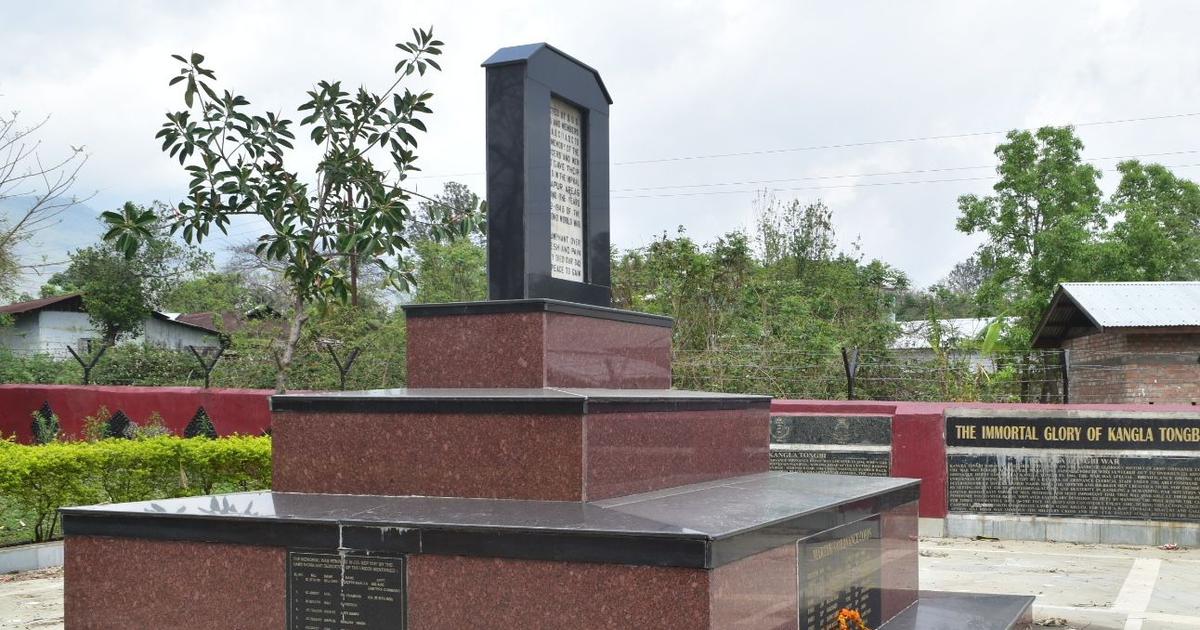
The harrowing events at Kanglatongbi in 1944 represent a pivotal moment in the defense of the Imphal-Kohima road during World War II. As Japanese forces, specifically the 15th Division’s 60th Regiment, successfully seized control of a British supply dump, the bravery of ordnance personnel shone through. In the darkness of April 6-7, they engaged in a fierce battle, utilizing Bren gun fire to fend off relentless Japanese assaults. Their courage not only secured the region but also provided an essential lifeline until the Fifth Indian Division arrived to continue the fight in early May.
The strategic significance of Kanglatongbi cannot be underestimated. This stout defense allowed time for reinforcements to arrive, ultimately turning the tide of the campaign. The soldiers’ determination and resilience during this period of siege helped to facilitate a crucial connection between forces from Kohima and Imphal at Milestone 109 on June 22, effectively ending the Japanese encirclement. This series of small yet vital actions played a monumental role in the larger context of the war in Manipur.
However, the narrative of the war was not purely one of tactical maneuvers or rapid advances; it was also a profound test of endurance. The relentless violence and the psychological toll of constant conflict left indelible marks on those who experienced it. One eyewitness account details the transformation of an unprepared captain, initially serving as an observer, into a participant in the grueling reality of warfare. This individual, reflecting on his journey, notes a shift from a carefree broadcaster to a man irrevocably altered by the horrors of battle. This transformation encapsulates the profound impact of war on humanity.
As the battles raged on in Manipur, the soldiers were not merely engaged in physical combat. They grappled with the emotional weight of suffering, loss, and camaraderie forged in the crucible of war. The spirit of brotherhood among the troops, who faced adversity without complaint, illustrated a resilience that resonates deeply in Indian culture. Their stories remind us of the sacrifices made during this turbulent period in history and the importance of preserving these narratives for future generations.
With the release of a new book detailing these eyewitness accounts, readers are invited to delve into an often-overlooked chapter of India’s World War II history. It serves not only as a recounting of military strategy but also as a testament to the human spirit’s ability to endure and thrive amid chaos. The gripping tales from the battlefield at Kanglatongbi highlight the complexities of war and its transformative effects on those who live through it.