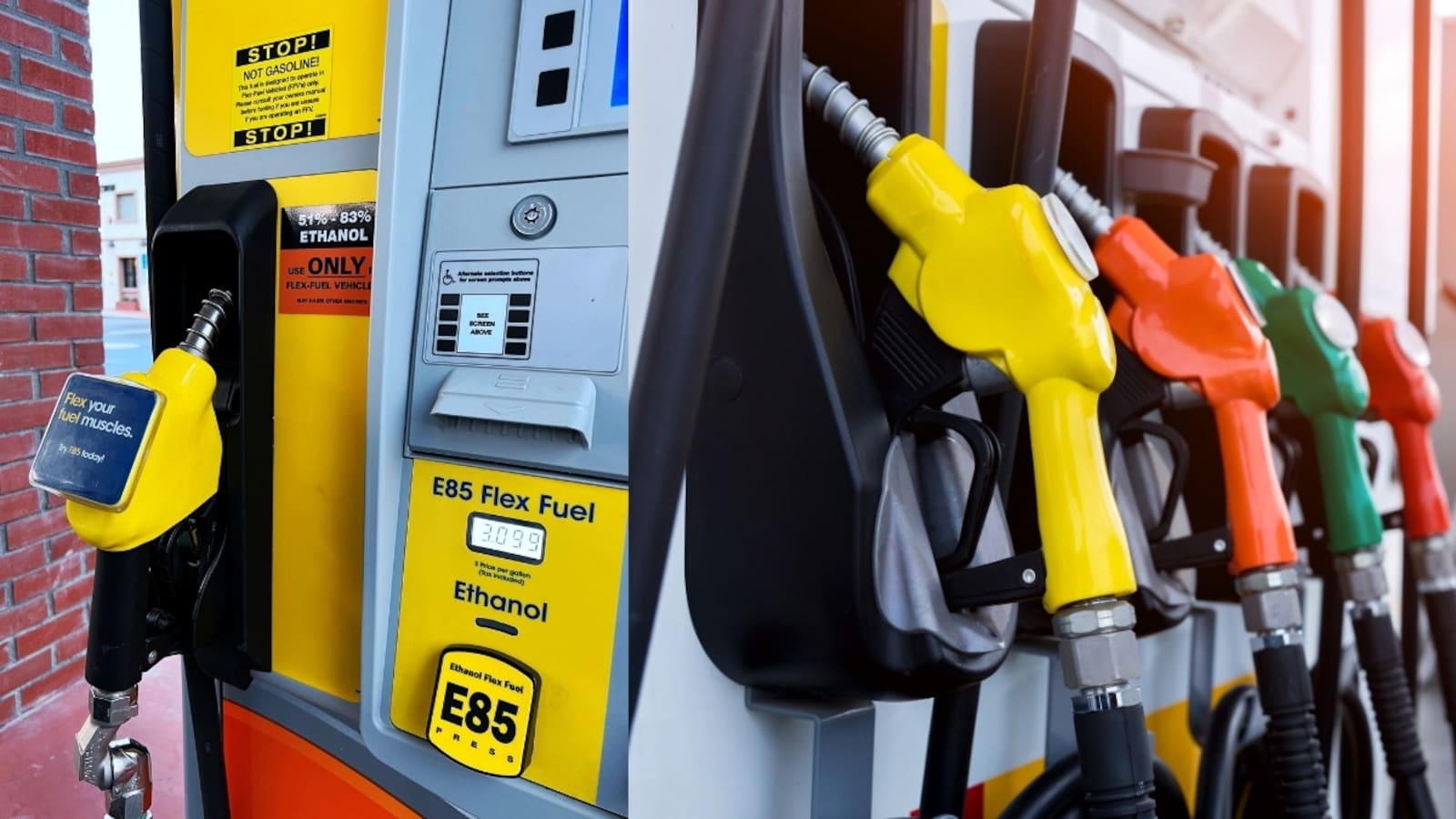
India has begun promoting flex fuel vehicles as part of its broader strategy to reduce dependence on imported fossil fuels, support ethanol production, and encourage alternative fuel adoption. Industry representatives and policymakers have described the technology as a step toward a more diversified transportation ecosystem.
The recent introduction of flex fuel versions of popular models such as the Splendor motorcycle and WagonR car has drawn attention because both vehicles are widely used by daily commuters, delivery personnel, small business owners, and budget-conscious families.
Supporters of flex fuel technology argue that it could help reduce crude oil imports, create additional demand for ethanol, and provide consumers with more fuel options in the future. They also point to potential benefits for farmers involved in ethanol feedstock production.
However, some consumers, particularly within the middle-income segment, may have questions about the practical and economic implications of the transition.
One concern relates to affordability. Vehicle buyers already face rising costs associated with vehicle purchases, insurance, taxes, tolls, and maintenance. For some consumers, the decision to adopt newer fuel technologies may depend on whether the long-term savings outweigh any additional upfront costs.
Another factor is infrastructure. The success of flex fuel vehicles will depend on the availability and accessibility of ethanol-blended fuels across the country. Consumers may be looking for greater clarity regarding fuel availability, pricing, and long-term operating costs before making purchasing decisions.
There are also questions regarding real-world performance. Buyers may evaluate factors such as mileage, maintenance requirements, fuel availability, and overall cost efficiency when comparing flex fuel vehicles with conventional alternatives.
At the same time, the introduction of flex fuel technology could provide benefits for commercial users, including delivery riders, transport operators, and others whose fuel expenses represent a significant portion of their operating costs.
As India expands its alternative fuel ecosystem, the long-term success of flex fuel vehicles is likely to depend on a combination of affordability, infrastructure readiness, consumer confidence, and demonstrated economic benefits.
For many consumers, the key question may not be whether flex fuel technology has potential, but how quickly and effectively its promised advantages can be realized in everyday use.