8,000-Year-Old Coastal ‘Superhighway’ Discovered in England Reveals Ancient Human and Animal Life
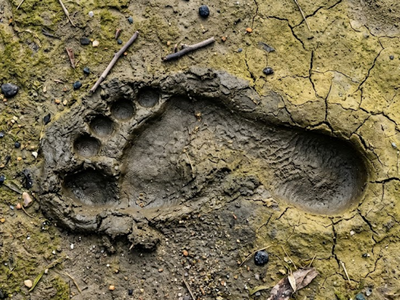
A remarkable archaeological discovery on the coast of England is offering researchers an extraordinary glimpse into prehistoric life. Scientists have uncovered an ancient coastal “superhighway” at Formby, where thousands of human and animal footprints dating back nearly 8,000 years have emerged from mud layers exposed by tides and coastal erosion.
The discovery is being described as one of Europe’s most significant prehistoric footprint finds, revealing how humans and wildlife once shared the same landscape during major climate shifts after the last Ice Age.
According to research published in Nature Ecology and Evolution, the preserved tracks reveal a long-used coastal corridor that remained active for thousands of years. Stretching nearly two miles along the shoreline, the site offers insight into prehistoric migration, survival, and coexistence with nature.
Ancient Footprints Reveal a Lost Coastal Route
The Formby coastline has become an open-air archive of history. Beneath the sand dunes lies a sequence of ancient mud layers containing 36 separate footprint levels, preserving evidence from the Mesolithic era through medieval times.
Researchers used radiocarbon dating and analysed preserved tree seeds, including alder, birch, and spruce, trapped within the mud to determine the age of the layers. Findings suggest the route remained in use from around 15,000 BC until approximately 1450 AD.
In one section, archaeologists identified the footprints of a barefoot individual who appeared to briefly pause before continuing. Researchers say such details create a rare emotional connection to people who lived thousands of years ago.
Lead researcher Alison Burns said the ancient landscape demonstrates how humans and animals adapted together as rising sea levels transformed the environment following the end of the last Ice Age.
Climate Change Influenced Ancient Movement
The study highlights how prehistoric climate changes forced both humans and wildlife to move inland as melting glaciers caused sea levels to rise. Land that was once open gradually became coastal territory shared by humans and animals.
Researchers believe the coastline became an important survival route during this environmental transformation. The preserved tracks show how ancient communities adapted to changing habitats while continuing to hunt, travel, and coexist with wildlife.
Experts say the discovery challenges assumptions that humans and large predators always lived separately.
Evidence of Predators and Extinct Species
Alongside human footprints, researchers identified tracks belonging to aurochs — giant extinct wild cattle — as well as red deer, wild boar, cranes, wolves, and lynx.
The overlapping footprints suggest humans and predators regularly used the same pathways over centuries, pointing to a balanced ecosystem where wildlife and people coexisted closely.
Researchers say the discovery has improved understanding of prehistoric Britain and the ecological richness of ancient coastal regions.
Discovery Recognised Decades Later
Although the footprints are now attracting global attention, they were first noticed by local beach visitors during the 1970s. At the time, many believed the marks were modern cattle tracks.
In the 1990s, a retired schoolteacher began researching the site and encouraging scientific investigation, eventually helping experts recognise the significance of the discovery.
Today, coastal erosion continues exposing new layers of ancient history. While storms and tides threaten some upper layers, deeper footprints remain well preserved beneath wet mud.
Why the Discovery Matters
Researchers say the Formby footprints provide more than archaeological evidence. They preserve ordinary moments of movement, survival, and interaction from thousands of years ago.
Scientists believe the site could continue revealing new discoveries as the sea uncovers additional buried layers. The findings also highlight how climate change has shaped human civilisation throughout history.
Conclusion
The discovery of the ancient coastal route at Formby is being regarded as one of the most compelling prehistoric finds in recent years. By preserving footprints of humans, predators, and extinct animals within the same landscape, the site offers a rare connection to a distant world and deepens understanding of how early humans adapted to environmental change.