In a shocking turn of events, Sahidullah Munshi, a former judge of the Calcutta High Court, revealed on Thursday that his name has been removed from the voter list during the intensive revision of electoral rolls in West Bengal. Munshi, who is currently the chairperson of the West Bengal Board of Auqaf, expressed his distress over the situation, describing it as both humiliating and painful.
According to Munshi, the names of his wife and elder son are still pending review, while his younger son has recently applied to register as a new voter. Despite the uncertainty surrounding his family’s voting status, Munshi’s own disenfranchisement has taken a toll on him. He stated, “Till now, only my name has been deleted. It is very humiliating and painful…a lot of harassment,” as reported by various media outlets.
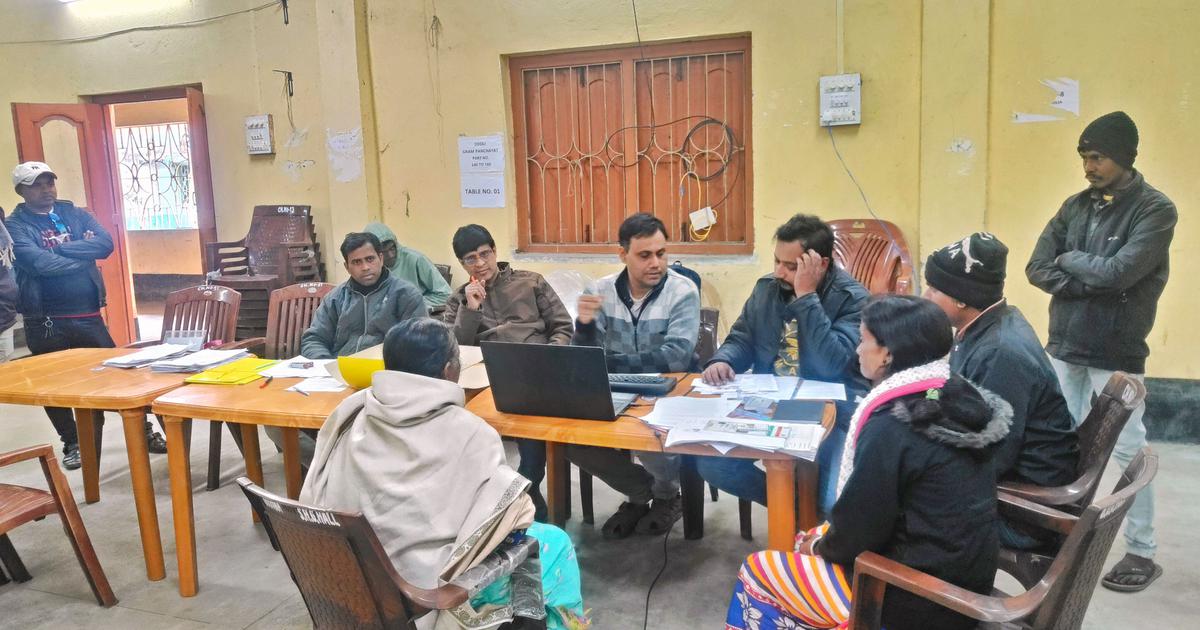
Adding to his frustration, Munshi mentioned that he had submitted all necessary documents during the revision process but received no acknowledgment or receipt in return. “They took the documents and said they would upload them, but no receipt was given,” he elaborated. This lack of transparency has left him in a state of confusion, as he now prepares to appeal the decision to an appellate tribunal.
The former judge voiced his surprise over the deletion of his name, emphasizing that he had complied with all required documentation. “I do not know how they have adjudicated and how they have deleted,” he remarked. Munshi pointed out the absence of communication from the electoral authorities, stating that had he been informed about the need for additional documents, he would have readily provided them. “There was a list of documents, and any one should have been sufficient,” he added, showcasing his bewilderment at the entire process.
Despite his grievances, Munshi stated that he does not hold anyone accountable for the situation, focusing instead on the need for clarity and fairness in the electoral process. His experience highlights a broader issue regarding electoral transparency and the challenges faced by citizens in ensuring their right to vote.
This incident raises significant questions about the procedures in place for voter registration and the treatment of individuals during such critical electoral processes. As West Bengal gears up for future elections, the ramifications of this case could resonate beyond Munshi’s personal experience, potentially impacting the trust citizens place in the electoral system.