In the heart of Chimbel village, North Goa, Ana Gracias and Govind Shirodkar reflect on a vital water source that has long sustained their community. As a child, Shirodkar spent countless hours swimming in Toyyar Lake, a picturesque body of water embraced by lush, forested hills, primarily inhabited by the Gauda Indigenous communities. “Our ancestors settled here due to this water body,” he recalls, emphasizing the lake’s significance in their heritage and daily lives.
The lake is not just a beautiful landmark; it is intricately linked to local agriculture, supplying irrigation through a canal that connects directly to the village. The surrounding hills, rich in natural springs, play an essential role in recharging groundwater and supporting the local ecosystem, which includes diverse populations of birds and boars. Additionally, the area serves as a flood control zone, safeguarding the community from seasonal flooding.
Despite its acknowledged importance as a ‘notified wetland,’ recent developments posed a significant threat to this precious resource. Controversial boundary demarcations facilitated plans for the construction of Goa’s tallest building, along with a vast mall intended for local crafts and arts, directly on one of the hills surrounding the lake. These proposed projects ignited concern among residents who feared that such developments would irreparably damage their environment and way of life.
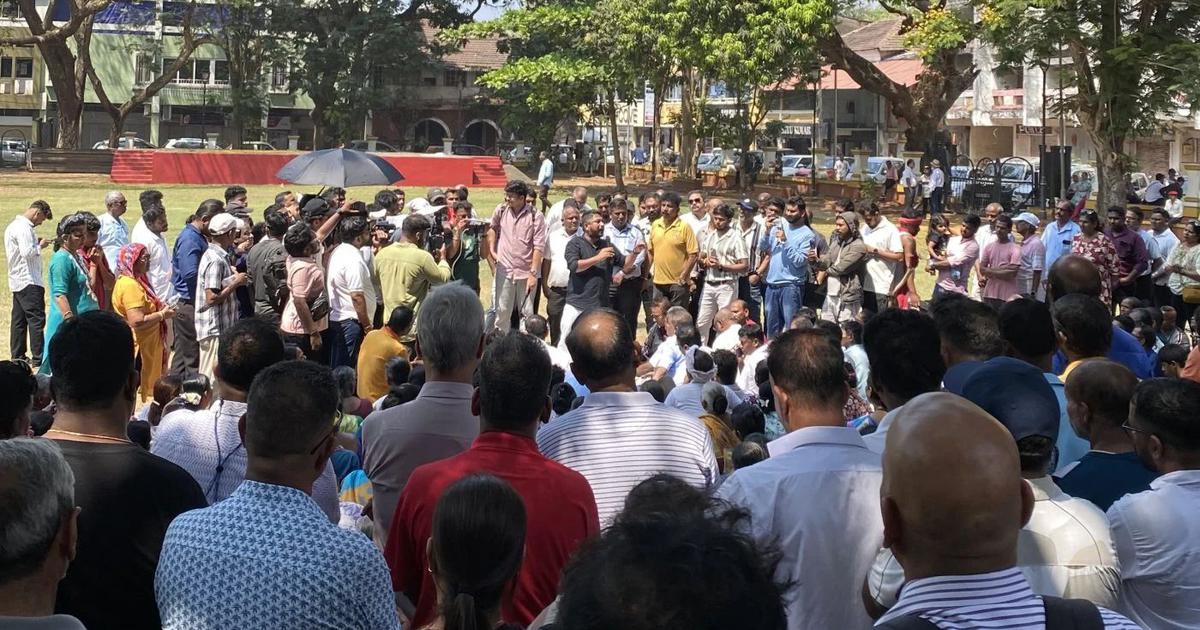
The community’s fears were not unfounded, leading to one of the state’s most significant and peaceful public protests in recent history—a remarkable 44-day movement that culminated in early February. This wave of resistance brought together over a thousand residents from Chimbel, who participated in various forms of activism, including a chain hunger strike that showcased their dedication to safeguarding their natural heritage. The overwhelming public outcry compelled authorities to reconsider the construction plans, leading to the cancellation of the proposed buildings.
This grassroots movement underscores the growing awareness among Goans about the delicate balance between development and environmental preservation. With tourism being a major economic driver in Goa, the challenge lies in ensuring that progress does not come at the expense of the very resources that sustain local communities. The Chimbel conflict highlights a broader struggle facing many regions in India, where rapid urbanization threatens to erode traditional lifestyles and natural ecosystems.
As the dust settles from this recent victory, the people of Chimbel remain vigilant, recognizing that their fight to protect their water resources is not merely about preserving a lake; it is about securing their future and maintaining their cultural identity. With continued solidarity and activism, they aspire to keep the spirit of their ancestral land alive for generations to come.