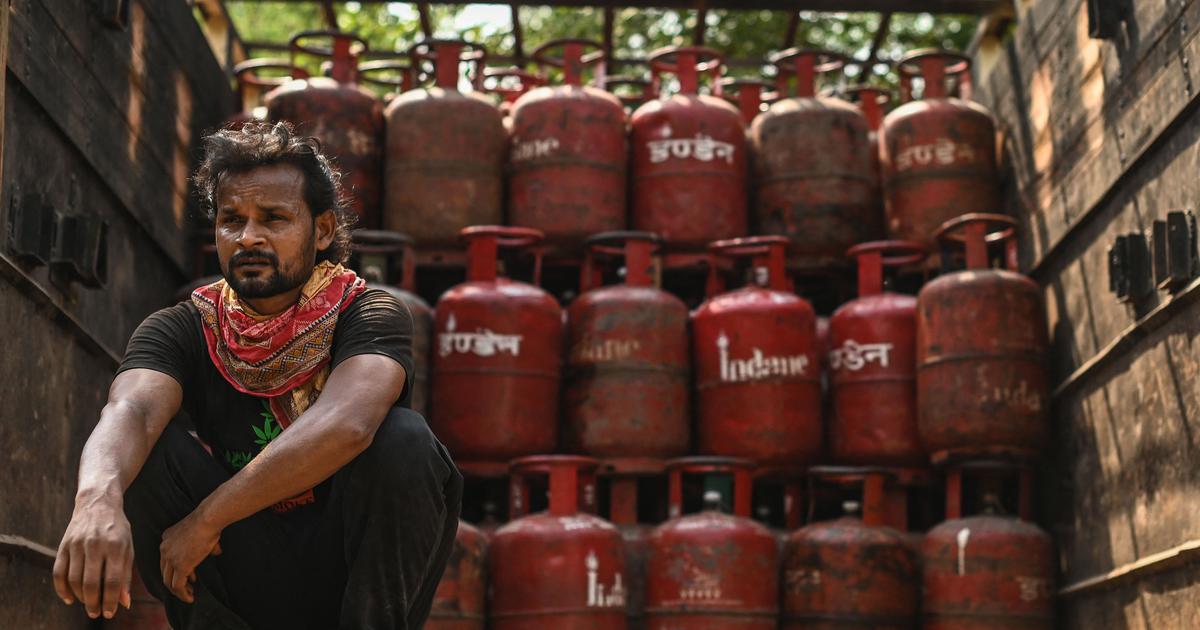
The Indian government has announced a significant increase in the allocation of commercial liquefied petroleum gas (LPG), uplifting it to 50% for states and Union Territories. This decision comes as part of a broader effort to address the ongoing disruptions in energy supplies caused by international conflicts, particularly in West Asia.
On Saturday, the Ministry of Petroleum and Natural Gas revealed that along with the 50% allocation, an additional 10% would be contingent on states implementing measures aimed at expanding the piped natural gas network. This initiative is part of the government’s strategy to bolster the energy infrastructure while ensuring that critical sectors receive adequate supplies.
The priority for the additional 20% allocation will primarily benefit sectors heavily reliant on commercial LPG. These include restaurants, dhabas, hotels, industrial canteens, and food processing units. Additionally, the allocation will extend to subsidized canteens operated by state governments or local bodies, community kitchens, and provisions for migrant laborers through a 5 kg free trade LPG scheme. This focus aims to support the food and hospitality industry, which has been hit hard by recent disruptions.
Since the onset of hostilities in West Asia on February 28, energy supplies to India have faced significant challenges. The conflict has led to Iran blocking the strategic Strait of Hormuz, a crucial route through which nearly 20% of the world’s petroleum flows. This disruption forced the Indian government to initially restrict LPG distributions to commercial entities, prioritizing household needs to ensure that residential consumers were adequately supplied.
Recognizing the essential role of the commercial sector in the economy, the government had earlier reinstated a 20% allocation of LPG to businesses. Now, with the latest announcement, the additional allocation aims to not only stabilize the supply chain but also to stimulate economic activities across various sectors. The Ministry has been clear that while the supply of LPG remains a concern, proactive steps are being taken to mitigate the impact on commercial establishments and the broader economy.