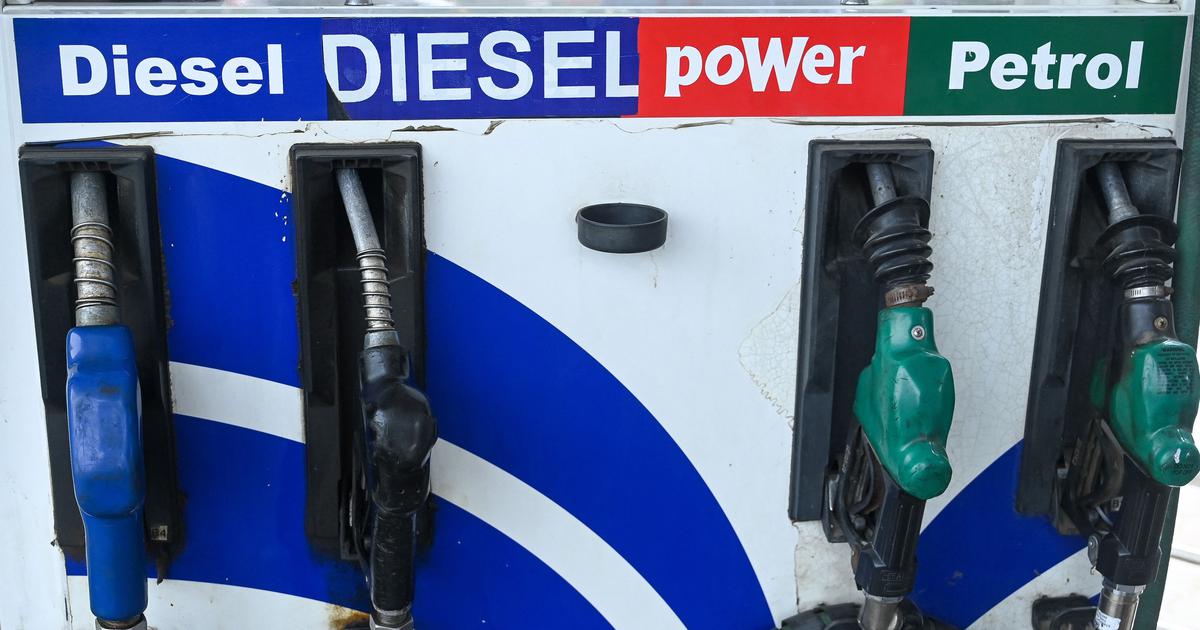
In a significant move aimed at stabilizing fuel prices amidst soaring global oil costs, the Union government has announced a reduction in the special additional excise duty on petrol and diesel. The new excise duty on petrol will be lowered to Rs 3 per litre from the previous rate of Rs 13, while the excise duty on diesel has been completely removed, dropping from Rs 10 to zero. This decision comes as a relief for oil marketing companies struggling to maintain retail fuel prices, which have remained unchanged despite a near 50% increase in international oil prices due to ongoing conflicts in West Asia since February 28.
The government’s action is seen as a vital step to ensure that petrol and diesel prices remain stable at the domestic level, providing a crucial buffer for consumers and businesses alike. Experts suggest that the cut in excise duty will allow oil marketing firms to manage their operations more effectively without further burdening consumers with high fuel prices. Notably, the central government has also imposed new duties on exports, charging Rs 21.5 per litre on diesel exports and Rs 29.5 per litre on aviation turbine fuel. Union Finance Minister Nirmala Sitharaman explained that these measures are designed to guarantee the availability of these fuels for domestic use.
In addition to the excise cuts, the government has raised the allocation of liquefied petroleum gas (LPG) for commercial use, increasing it from 50% to 70% of the pre-conflict levels. This adjustment aims to bolster supply for industries heavily reliant on LPG, such as steel, automobiles, and textiles. Petroleum Secretary Neeraj Mittal conveyed to all states and Union Territories that priority would be given to industries that require LPG for specialized heating processes, ensuring that sectors crucial to the economy receive the necessary resources to operate effectively.
This multifaceted approach by the government is not only a response to current market pressures but also reflects a broader strategy to enhance energy security and mitigate the economic impact of rising fuel costs. As global oil prices fluctuate due to geopolitical tensions, measures like these may play a crucial role in safeguarding India’s economic stability and supporting its industrial sectors. Such initiatives are expected to have a ripple effect, potentially stimulating growth and protecting consumers from the adverse impacts of international price hikes.
As India navigates these challenges, the government’s proactive stance on fuel pricing and LPG allocation highlights its commitment to balancing economic demands with the realities of global energy markets. The outcome of these measures will be closely monitored by various stakeholders, including consumers, businesses, and economic analysts, as they assess the long-term impacts on India’s energy landscape.