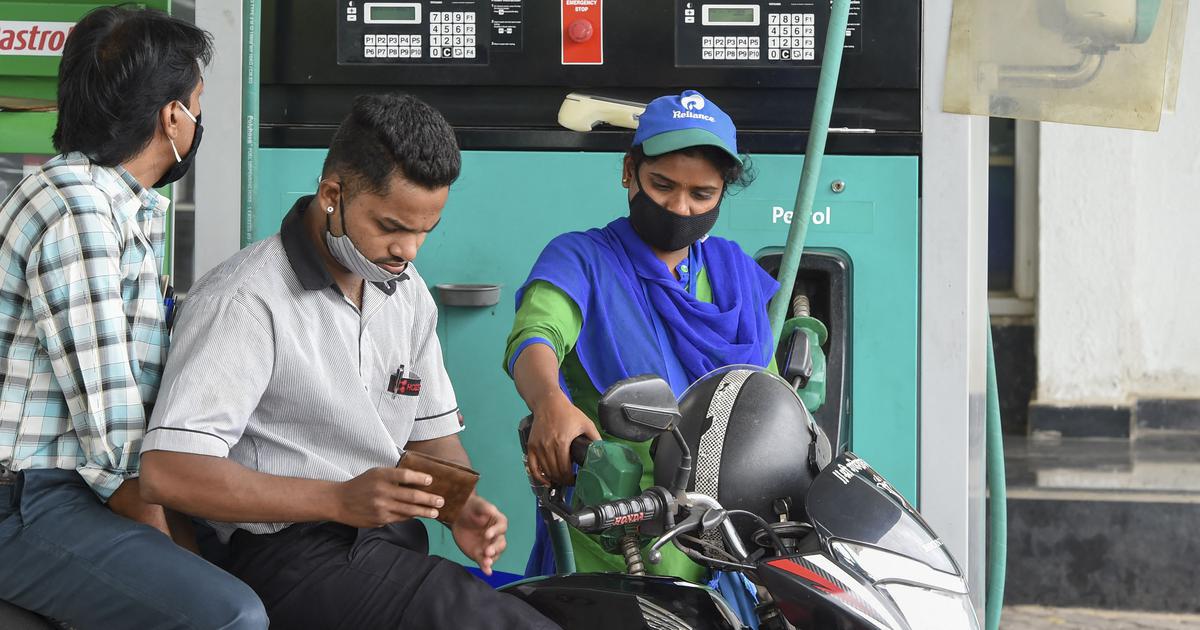
In a significant move to alleviate the burden on consumers and fuel marketing companies, the Union government announced a reduction in the special additional excise duty on petrol and diesel on Thursday. The excise duty on petrol has been slashed to Rs 3 per litre from a hefty Rs 13, while the duty on diesel has been eliminated altogether, dropping from Rs 10 to nil. This decision comes at a time when retail fuel prices in India have remained static despite a staggering surge in international oil prices, which have jumped nearly 50% since the onset of geopolitical tensions in West Asia on February 28.
The recent cuts in excise duties are expected to stabilize petrol and diesel prices in the country, providing much-needed relief to both consumers and oil marketing companies who have been grappling with financial pressures. Union Minister for Petroleum and Natural Gas, Hardeep Singh Puri, emphasized that the government is willing to take a substantial hit on its revenue stream to cushion the losses faced by oil companies. “This move will help ensure that the operational viability of these companies is not compromised while we navigate through these turbulent times,” he stated.
The backdrop to this decision is the drastic increase in international crude oil prices, which have soared from approximately $70 per barrel to around $122 per barrel within the last month. As a result, the cost of petrol and diesel has escalated globally, with neighboring countries in Southeast Asia witnessing price hikes ranging from 30% to 50%. In this challenging scenario, the Indian government’s strategy to cut excise duties aims to shield consumers from the brunt of rising fuel costs.
Additionally, Minister Puri highlighted that while domestic consumers may benefit from reduced prices, an export tax has been introduced for companies exporting petrol and diesel. He explained that international prices have surged so significantly that any refinery engaging in exports will now have to pay this tax, ensuring some semblance of balance in the domestic and international markets.
Finance Minister Nirmala Sitharaman further elaborated on the government’s fiscal strategy, indicating that while there are immediate sacrifices in tax revenue due to the excise duty cuts, the long-term goal is to stabilize the market and support economic growth. The government remains vigilant and committed to monitoring the global oil situation closely, poised to take further action as necessary to safeguard the interests of Indian consumers.