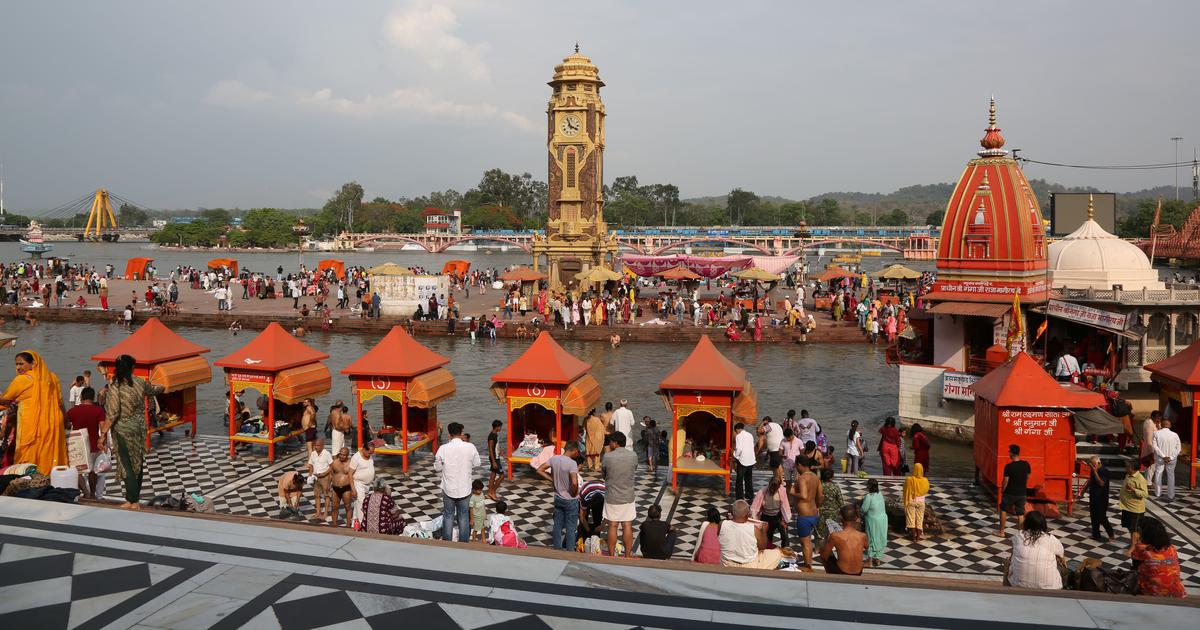
In a significant move aimed at maintaining the sanctity of the city, the Haridwar Municipal Corporation has voted to ban the sale of raw meat within the city limits. This decision comes ahead of the anticipated Ardh Kumbh Mela, a major Hindu pilgrimage that is expected to draw an influx of devotees from across the country. The festival is set to commence on January 14, 2027, coinciding with the auspicious day of Makar Sankranti.
The city’s authorities predict an overwhelming turnout of between six to seven crore visitors during this 45-day long festival, making it imperative to uphold Haridwar’s reputation as a sacred pilgrimage site. As part of the ban, all existing meat shops will be relocated to Sarai village, located on the outskirts of the city. Mayor Kiran Jaisal confirmed the construction of 56 designated shops in Sarai for this purpose, with the allotment process already underway.
According to Mayor Jaisal, the municipality has identified 20 licensed shopkeepers who will be the first beneficiaries of this relocation. She emphasized that additional shops will be allocated based on demand, ensuring that the needs of the community are met while adhering to the new regulations. The decision to shift meat shops aligns with the amended municipal bylaws, which previously restricted the sale and consumption of meat, alcohol, and eggs within a five-kilometer radius of the revered Har-ki-Pauri ghat.
This ban was passed with a majority vote by the council, which includes 40 members from the ruling Bharatiya Janata Party (BJP) and an Independent corporator in the 60-member body. The council is encouraging public feedback on the matter, signaling a willingness to engage with residents on this controversial issue.
With the Ardh Kumbh drawing near, officials are focused on ensuring that the spiritual atmosphere of Haridwar is preserved. The city, known for its ghats and temples, holds a unique place in Hinduism. The ban on meat sales is seen as a step towards reinforcing the cultural and religious sentiments of millions of devotees who flock to the city during such significant events. This decision is expected to evoke mixed reactions among the local populace, especially among those dependent on meat sales for their livelihood.