As India gears up for elections, political fervor is palpable across several states. With manifestos unveiled, large rallies taking place, and candidates promising improvements in healthcare, infrastructure, employment, and education, the electoral machinery is in full swing. However, an essential segment of the population seems to have been overlooked—the 18 million Indians working abroad.
These expatriate workers play a crucial role in bolstering the economies of states like Kerala, Tamil Nadu, Karnataka, Andhra Pradesh, and Maharashtra. Their remittances significantly contribute to state revenues, support household expenses, and enhance liquidity in regional banks. Surprisingly, none of the major political parties have included comprehensive plans addressing this vital demographic in their manifestos. This omission highlights a glaring disconnect between the political landscape and the realities of millions of citizens.
The absence of these expatriate workers from political discussions is not merely an oversight; it has become a liability. Their inability to vote from overseas renders them invisible in the eyes of politicians, who continue to disregard their potential impact on the economy. As the world becomes increasingly interconnected, this negligence could have profound implications for both the states and the expatriates themselves.
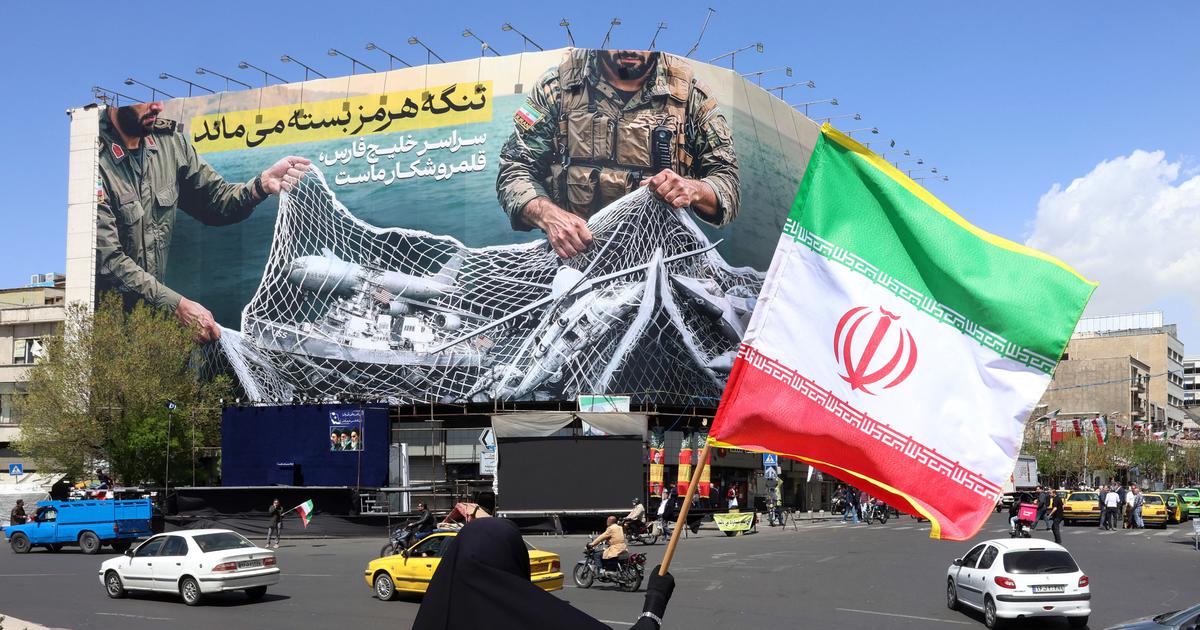
The geopolitical landscape in the Gulf region, where a significant number of these workers are employed, is becoming increasingly unstable. Tensions between Iran and Israel have escalated, with both nations moving beyond proxy conflicts to engage in direct exchanges of military resources. The situation remains precarious, particularly around the Strait of Hormuz—a critical passage for about 20% of the world’s oil and 30% of liquefied natural gas. As a result, tanker insurance costs are soaring, and port operations in Gulf nations are facing intermittent disruptions.
Employers in the Gulf are understandably cautious, and such wariness can quickly translate into contract cancellations and reduced employment opportunities. For Indian expatriates relying on these jobs, this uncertainty presents a major threat to their livelihoods and the financial support they provide back home. In light of this, now is the time for political leaders to acknowledge the significance of this workforce, engage with them, and craft policies that not only support their well-being but also recognize their contributions to the economy.
As the elections approach, it is incumbent upon political parties to rethink their strategies. By fostering a dialogue with expatriate workers and addressing their unique challenges, they can create a more inclusive political narrative. Engaging with this demographic could not only galvanize support but also bolster economic resilience in their respective states. The time has come for politicians to stop viewing expatriates simply as remittance sources and start appreciating them as integral components of India’s socio-economic fabric.