




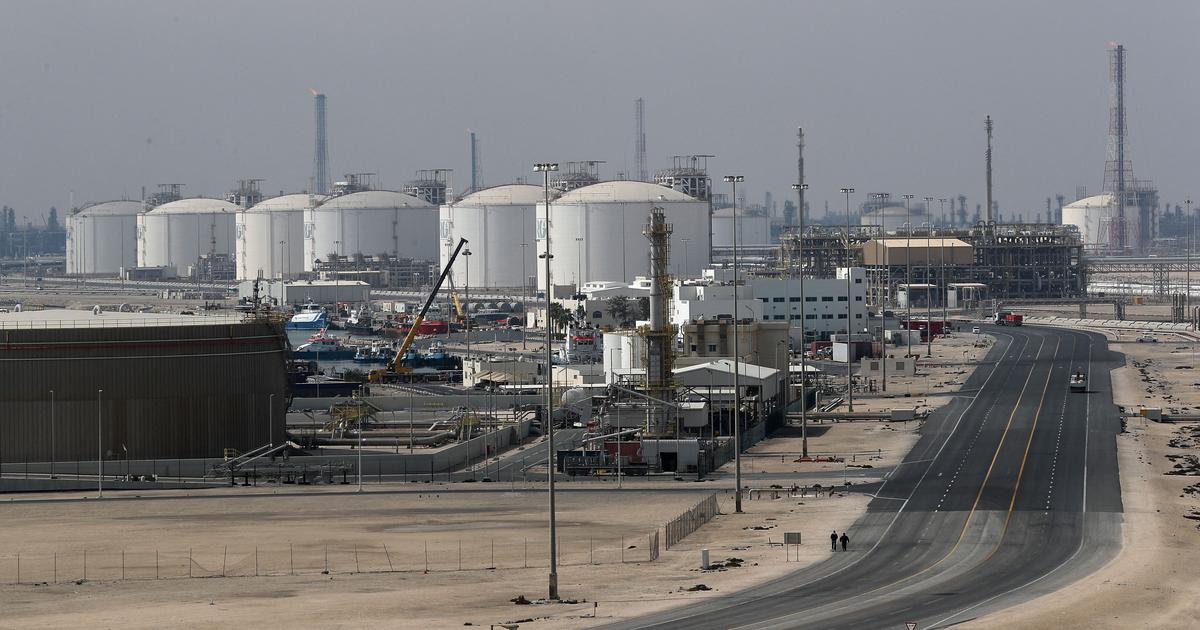
On March 19, a significant event unfolded at Ras Laffan, the world’s largest liquefied natural gas (LNG) terminal, located in Qatar. This facility, which is vital for global energy supply, was struck by Iranian missiles and drones, resulting in catastrophic damage. As the facility, covering an area comparable to a large city, faced raging fires and destruction, the repercussions of this attack are likely to ripple through the global energy market, particularly affecting countries like India.
Ras Laffan is responsible for approximately 20% of the world’s LNG, making it a crucial player in meeting global energy demands. The attack has led to substantial financial losses, with estimates suggesting that investments worth millions may have been obliterated. In light of the damage, QatarEnergy’s chief executive, Saad Sherida al-Kaabi, indicated that the company is contemplating declaring a “force majeure.” This legal term signifies that the company may not be able to fulfil long-term contracts due to unforeseen circumstances, a move that could have serious implications for LNG supplies to several nations, including Italy, Belgium, Korea, and China, for up to five years.
The energy landscape, especially in India, faces a potential crisis as the country relies heavily on imports of liquefied natural gas to meet its growing energy needs. The impact of reduced LNG supplies could have a trickle-down effect on energy prices and availability, straining an already challenged economy. With India striving for energy security to fuel its development and growth, the disruption in Qatari LNG could set back its energy transition plans.
Moving liquefied natural gas is a complex and energy-intensive process. Unlike crude oil, natural gas must be cooled to below -162°C to become liquefied, a procedure that poses significant technical challenges. This cooling process not only makes the gas easier to transport but also adds considerable costs, consuming around 15% of the initial energy content of the gas extracted. As India looks to increase its share of cleaner energy, the implications of this attack could hinder its access to essential LNG supplies, thus complicating its energy transition.
The geopolitical ramifications of the attack are significant as well. Iran’s aggressive posture in the region has long been a concern for global energy markets, and this incident underscores the fragility of energy security in the Middle East. As India watches closely, it must navigate a complex web of international relations while ensuring a steady supply of energy to support its burgeoning economy.

