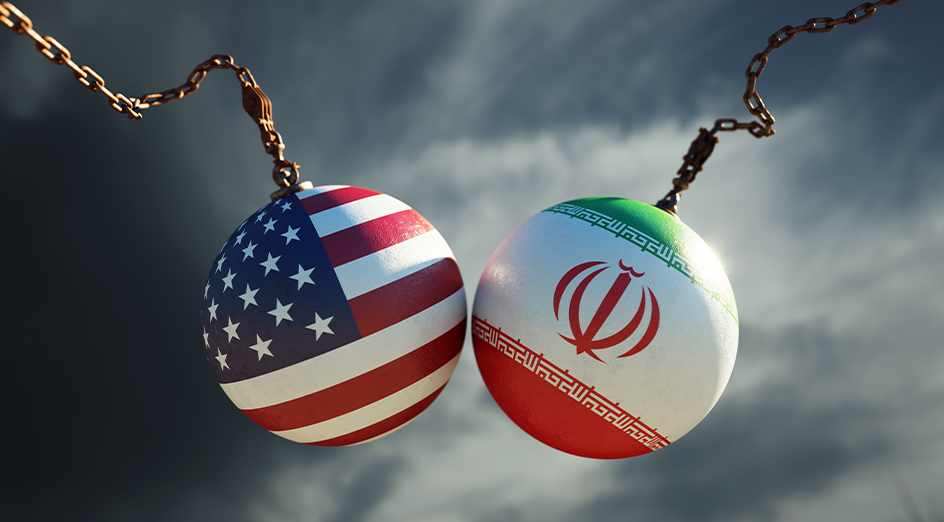
The ongoing conflict between the United States and Iran has created significant ripple effects across the global economy, and India, being deeply connected to global energy markets and West Asia, is among the countries most affected. While geographically distant from the conflict zone, India faces both immediate economic pressures and long-term strategic challenges.
One of the most direct impacts is on energy prices. India imports a large majority of its crude oil requirements, making it highly vulnerable to disruptions in global oil supply. As tensions escalate in the Middle East, crude oil prices rise sharply, leading to higher fuel costs within India. This directly affects transportation, manufacturing, and daily household expenses. Even a moderate increase in crude oil prices can significantly raise inflation levels and widen the country’s trade deficit, putting pressure on economic growth.
The conflict has also led to financial market instability. Indian stock markets tend to react negatively to geopolitical tensions, and such conflicts trigger investor uncertainty. This results in falling stock indices, weakening of the rupee, and capital outflows from the market. A weaker rupee further increases the cost of imports, especially fuel, creating a cycle of rising costs and economic strain.
Another major concern is trade and supply chain disruption. The Middle East is a crucial trade route for India, particularly through the Strait of Hormuz, one of the world’s most important oil transit chokepoints. Due to rising conflict, shipping routes have become riskier and more expensive. Insurance premiums for cargo vessels have surged, and many shipping companies are rerouting their vessels, increasing both transit time and costs. This affects not only oil imports but also essential goods such as fertilizers, chemicals, and food items, ultimately pushing up prices in the domestic market.
India also faces challenges in food and commodity inflation. The country depends on imports for several products, including edible oils and dry fruits, many of which come from regions affected by the conflict. Disruptions in supply chains lead to shortages and price hikes, directly impacting consumers.
On the geopolitical front, India is in a delicate position. It maintains strategic relations with both the United States and countries in West Asia, including Iran. The conflict forces India to carefully balance its diplomatic stance, avoiding alignment with any one side while safeguarding its national interests. Ensuring uninterrupted energy supplies and protecting trade routes remain top priorities.
Additionally, the safety of the Indian diaspora in the Gulf region is a critical concern. Millions of Indians live and work in West Asian countries, and any escalation in conflict increases risks to their safety. The Indian government must remain prepared for evacuation operations and provide support to its citizens abroad.
Despite these challenges, India has taken steps to cushion the impact. Strategic oil reserves, diversified import sources, and government interventions help reduce immediate risks. However, the situation highlights the need for long-term solutions such as increasing renewable energy adoption and reducing dependence on imported fuels.
In conclusion, the US–Iran conflict affects India across multiple dimensions—economic, strategic, and humanitarian. While the country has mechanisms to manage short-term shocks, prolonged instability in the region could have deeper consequences. The situation underscores the importance of energy security, economic resilience, and balanced diplomacy in an increasingly uncertain global environment.