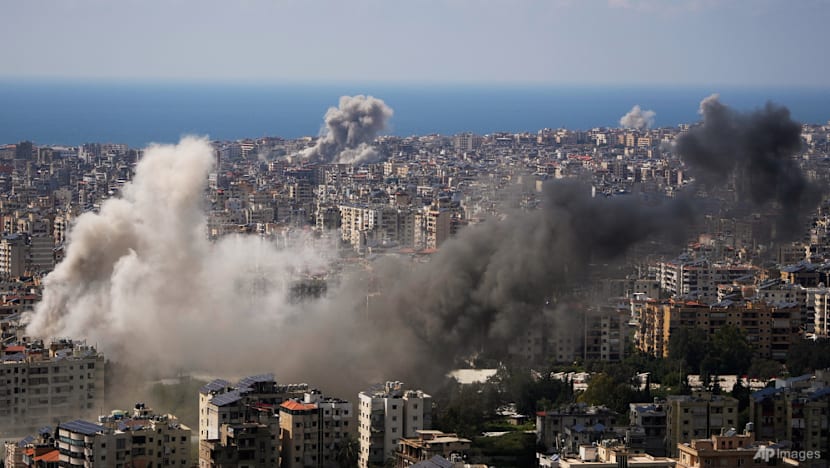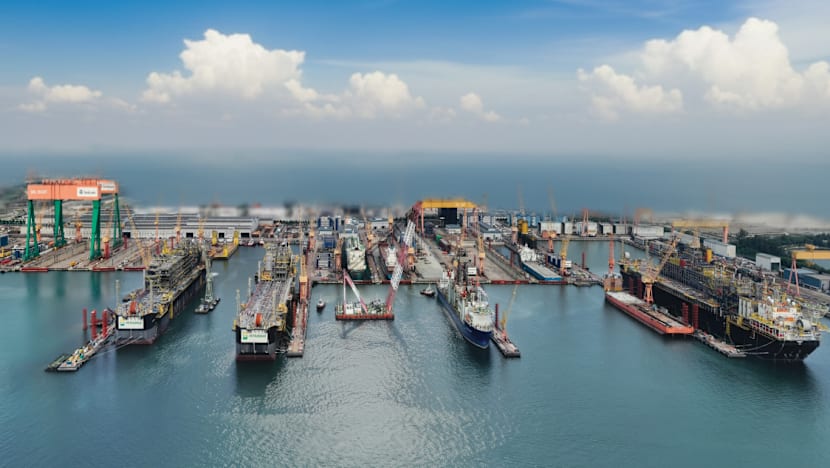
The 2026 Middle East conflict (US-Iran war context) significantly impacts India’s economy by triggering supply chain disruptions, spiking crude oil prices, and increasing inflation. Key risks include a widened current account deficit, higher borrowing costs, weakened rupee, and slower industrial growth. The conflict may also reduce export competitiveness due to rising logistics costs.
Key Impacts on the Indian Economy:
Energy and Commodity Inflation: High oil prices ($>100/barrel) increase imported inflation, affecting energy-intensive industries and consumer spending.
Trade and Logistics Disruptions: Rising shipping costs and shipping line rerouting (due to conflict in the Strait of Hormuz) affect exports.
Manufacturing Slowdown: Manufacturing growth fell to a 45-month low in March 2026, with PMI dropped to 53.9, due to heightened cost pressures, uncertainty, and supply issues.
Reduced Economic Growth: While GDP growth for FY26 is seen at, the conflict could reduce FY27 growth to
, with some projections indicating a potential hit of to the overall GDP growth rate.
Financial Market Volatility: Global uncertainty can prompt capital outflows, weakening the rupee, and raising import costs.
Impact on Employment and Income: Sectors like aviation, steel, and chemical manufacturing are under pressure. The conflict poses risks to remittances from the 10 million Indians in the Gulf region.
The Reserve Bank of India (RBI) has cautioned that the supply shock from the conflict could evolve into a demand shock, potentially impacting India’s target to become the world’s fourth-largest economy.
ANIL KUMAR NAMDEO GWALIOR