India Between Fire and Strategy: Internal Geopolitics of the Iran-Israel Conflict
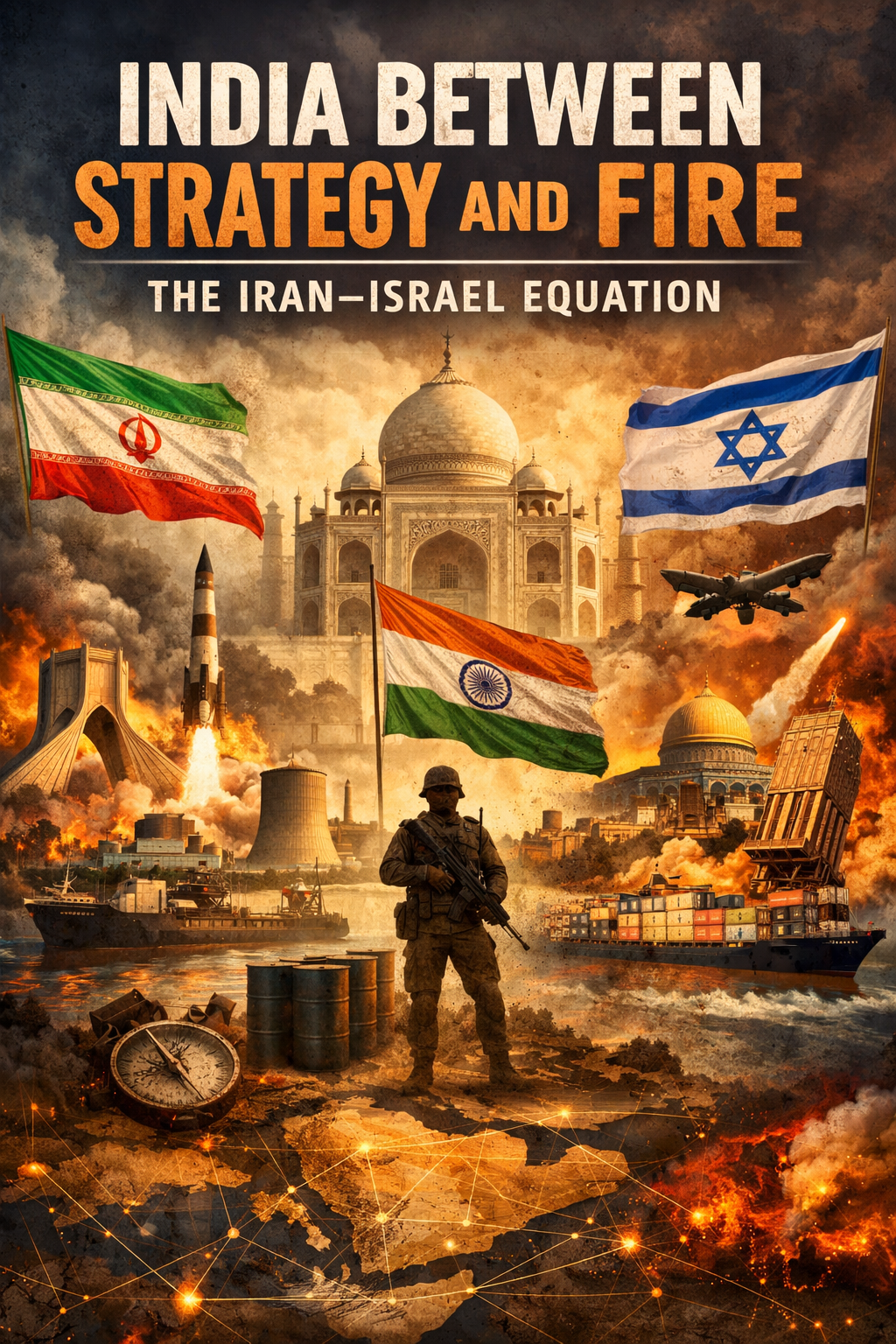
India Between Strategy and Fire: The Iran–Israel Equation
The geopolitical tensions between Iran and Israel represent one of the most significant and volatile rivalries in modern international politics. For India, this conflict is not merely a distant regional dispute but a strategic challenge that affects its energy security, diplomatic relations, trade routes, and defense partnerships. As a rising global power with deep interests in the Middle East, India must carefully balance its relationships with both nations while protecting its own national interests.
The hostility between Iran and Israel dates back to the late twentieth century. Prior to the Iranian Revolution of 1979, Iran and Israel maintained relatively cooperative relations under the rule of Shah Mohammad Reza Pahlavi. However, after the revolution established the Islamic Republic of Iran, the new leadership adopted a strong ideological opposition to Israel. Iran began supporting groups and movements that opposed Israeli influence in the region, while Israel increasingly viewed Iran’s nuclear ambitions and regional influence as a direct security threat. Over time, this ideological conflict transformed into a strategic confrontation involving cyber warfare, intelligence operations, proxy conflicts, and military tensions across the Middle East.
For India, Israel has become an increasingly important strategic partner, particularly in the fields of defense, technology, agriculture, and intelligence cooperation. Since establishing full diplomatic relations in 1992, India and Israel have built a strong partnership. Israel is one of India’s leading defense suppliers, providing advanced systems such as surveillance drones, missile defense technology, radar systems, and border security equipment. In addition, cooperation in agricultural technology—especially water management and desert farming—has benefited several Indian states. Intelligence collaboration and counter-terrorism cooperation have further strengthened the relationship.
At the same time, India has historically maintained strong ties with Iran. These ties are rooted not only in energy cooperation but also in centuries of civilizational and cultural connections. Iran has been an important supplier of crude oil to India and remains strategically significant due to its geographic location. The country serves as a gateway for India to access Afghanistan, Central Asia, and parts of Eurasia without relying on routes through Pakistan. Strategic infrastructure initiatives involving Iranian ports and transport corridors have been viewed as critical for expanding India’s trade and regional connectivity.
Because of these competing strategic interests, India has adopted a policy of careful diplomatic balancing. Rather than aligning completely with either side, India follows a policy of strategic autonomy. This approach allows New Delhi to maintain productive relations with Israel while also preserving engagement with Iran. Such balancing is essential because both countries serve different but vital roles in India’s foreign policy framework.
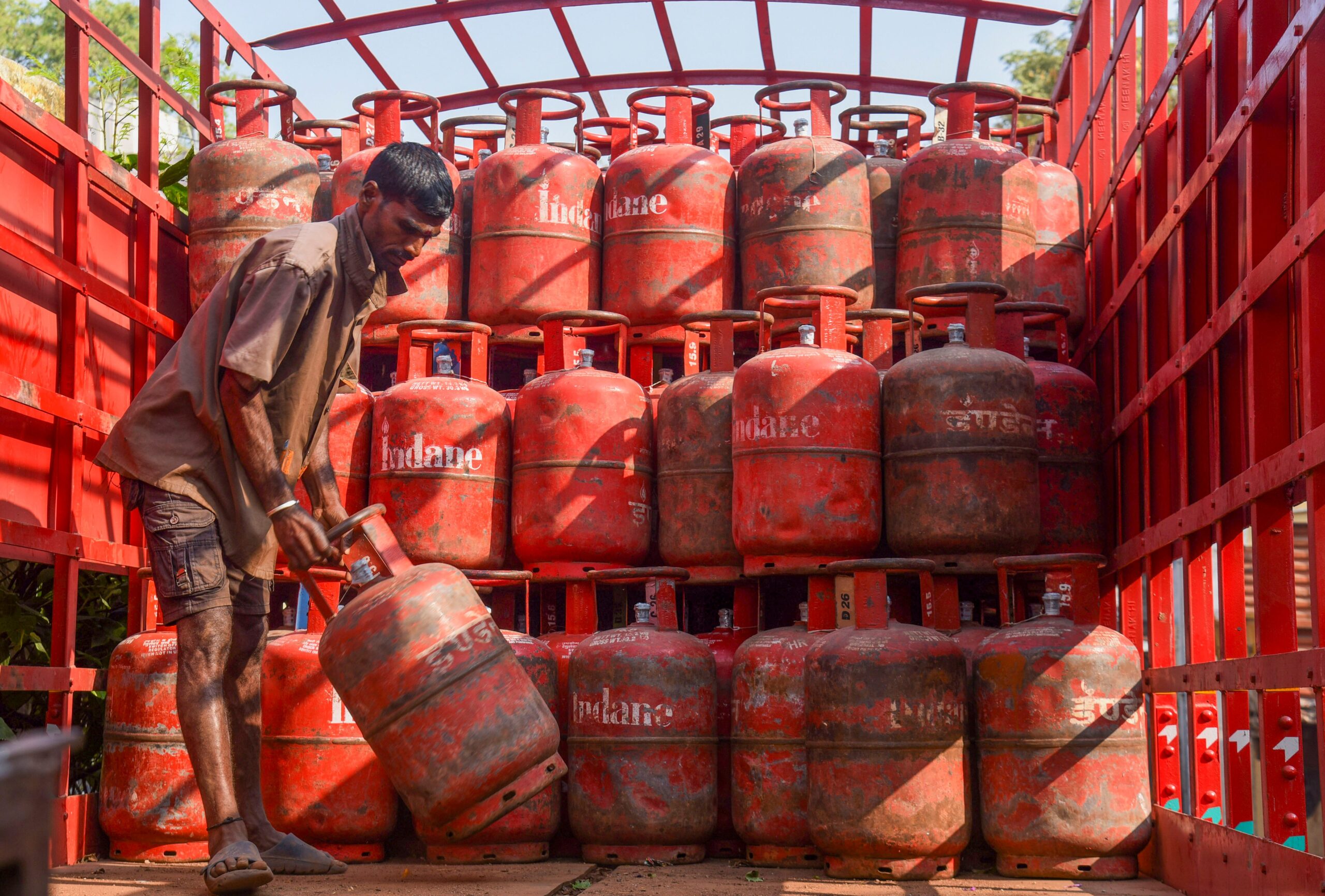
Energy security remains one of the most important factors shaping India’s position. A large share of India’s oil imports comes from the broader Middle East region. Any military escalation involving Iran could threaten the stability of critical maritime routes, particularly the Strait of Hormuz, through which a significant portion of global oil supply passes. Disruptions in this region could cause oil prices to surge, placing pressure on India’s economy and increasing inflation.
Economic considerations also play an important role. Trade routes connecting Asia, the Middle East, and Europe pass through strategically sensitive waters such as the Persian Gulf and the Red Sea. Instability in these areas could affect shipping costs, insurance premiums, and global supply chains. For a rapidly growing economy like India, such disruptions could have serious consequences for trade and economic growth.
Another critical factor is the presence of millions of Indian workers in Gulf countries. Escalating regional conflicts could threaten their safety and disrupt remittance flows that contribute significantly to India’s economy. Therefore, maintaining stability in the region is a key priority for Indian policymakers.
India’s approach in the Middle East increasingly reflects a broader strategy of multi-alignment. Instead of choosing sides in geopolitical rivalries, India is building relationships with multiple partners across the region. It maintains strong defense cooperation with Israel, continues diplomatic engagement with Iran, and simultaneously strengthens economic and strategic partnerships with Gulf nations and Western powers.
This flexible and pragmatic diplomatic strategy allows India to navigate the complexities of Middle Eastern geopolitics while safeguarding its national interests. However, the evolving Iran–Israel rivalry will continue to test India’s ability to maintain this delicate balance. As tensions rise and regional alliances shift, India’s foreign policy will need to remain adaptable, strategic, and firmly guided by long-term national priorities.
~Dhanesh Verma