As tensions in the Middle East continue to impact global markets, economists and policy experts say countries dependent on imported energy resources, including India, may face economic challenges in the coming months. Rising crude oil prices, supply chain disruptions, and inflationary pressures are likely to influence fuel costs, transportation expenses, and household budgets across several sectors.
India imports a significant portion of its crude oil requirements, making international energy developments important for the domestic economy. Analysts believe prolonged instability in major oil-producing regions could affect commodity prices and increase pressure on inflation management.
Economic Impact and Government Response
Experts say global uncertainty may require governments worldwide to focus on economic stability, energy management, and fiscal discipline. In India, policymakers are expected to monitor fuel prices, inflation trends, and supply chain disruptions closely.
Economic observers note that measures such as strengthening strategic reserves, encouraging renewable energy adoption, and supporting vulnerable sectors may help reduce the impact of global volatility.
At the same time, financial experts suggest that responsible spending and efficient resource management can help economies remain stable during uncertain periods.
Importance of Energy Conservation and Financial Planning
Specialists in public policy and economics often encourage energy conservation and financial planning during periods of international economic stress. Common recommendations include:
- Using public transport or shared travel when possible,
- Reducing unnecessary electricity consumption,
- Planning household finances carefully,
- Supporting domestic industries and local products,
- Avoiding unnecessary financial risks during uncertain market conditions.
Experts say such practices can help reduce financial pressure on households while also contributing to broader economic stability.
Focus on Self-Reliance and Sustainability
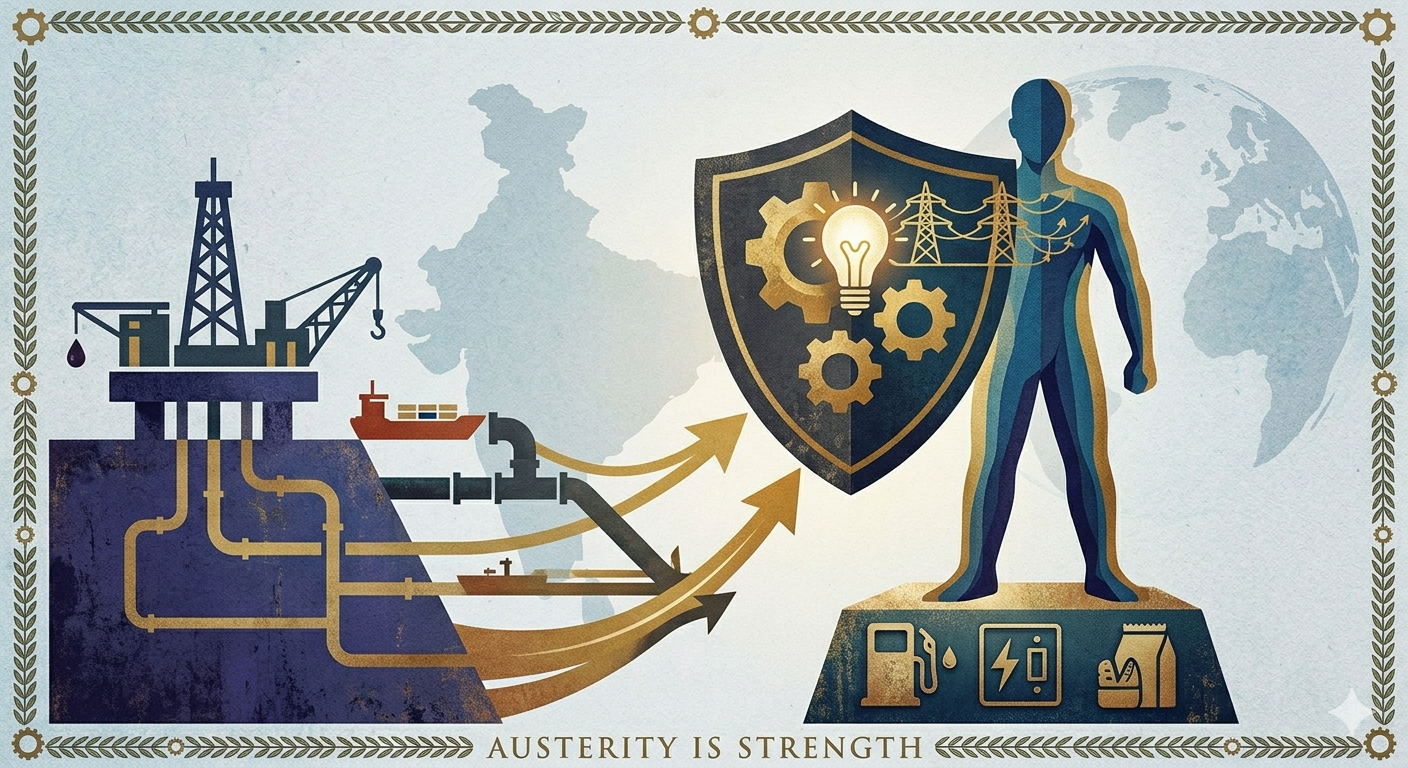
The current global situation has also renewed discussion around long-term energy security and self-reliance. Economists believe the crisis may encourage faster investment in renewable energy, domestic manufacturing, and alternative fuel sources.
India has already been increasing investments in solar energy, electric mobility, and infrastructure aimed at reducing long-term dependence on imported fossil fuels.
Policy analysts say periods of global uncertainty often accelerate structural reforms and encourage countries to strengthen domestic capabilities.
Conclusion
While international conflicts continue to create economic uncertainty across global markets, experts believe careful planning, responsible governance, and public awareness can help countries manage short-term challenges effectively.
Analysts note that economic resilience depends not only on policy decisions but also on sustainable practices, efficient resource management, and long-term planning. As global conditions evolve, India’s focus is expected to remain on economic stability, energy security, and balanced growth.