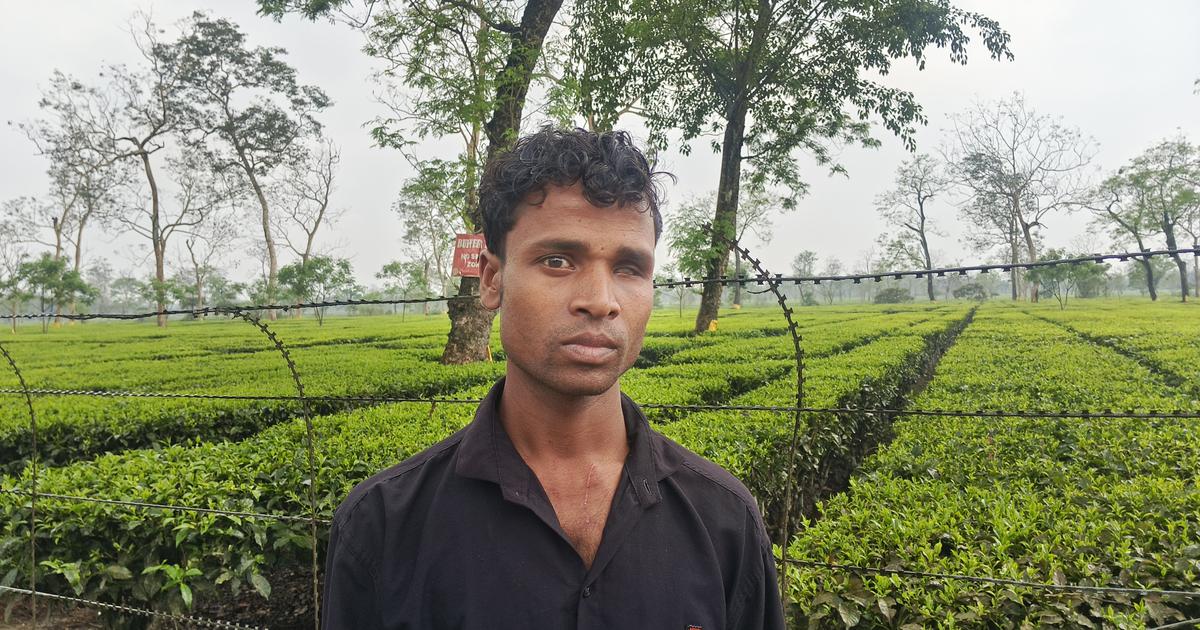
India is on a dangerous path towards a diabetes catastrophe, with alarming statistics emerging from the latest research. According to a study conducted by the Indian Council of Medical Research, published in The Lancet Diabetes & Endocrinology in July 2023, around 101 million Indians currently suffer from diabetes. An additional 136 million individuals are classified as pre-diabetic, which poses a significant risk for developing the disease in the near future. The International Diabetes Federation’s Diabetes Atlas further amplifies these concerns, estimating that the number of diagnosed adults in India might soar to 156.7 million by the year 2050.
Often dubbed the “diabetes capital of the world,” India’s situation is particularly troubling not just because of the staggering figures but due to the underlying systemic issues that have contributed to this public health crisis. This epidemic highlights a form of structural violence stemming from flawed economic policies, a failing food system, and the persistent neglect of the health needs of the working-class population. The repercussions of these failures are felt acutely by those at the bottom of the economic ladder.
The reality of low wages in India exacerbates the diabetes dilemma. As indicated by research from economists Jean Dreze and Arindam Das, there has been a stagnation in real wages since 2014, particularly in rural areas. Prior to this period, the real wages saw a notable increase of 5% to 6% each year. In stark contrast, the last decade has seen this growth taper off to virtually zero. This lack of financial progress has had a direct impact on the dietary choices of many Indians, pushing them towards unhealthy, processed food options that are often more affordable than fresh produce.
Moreover, the India Employment Report 2024 by the International Labour Organisation has highlighted the grim employment scenario in the country, further complicating the situation. With job security dwindling and many families struggling to make ends meet, nutritional needs are often compromised, leading to increased rates of obesity and diabetes. The interconnectedness of these issues illustrates that the diabetes epidemic is not just a health problem; it is a reflection of broader socio-economic challenges that need urgent addressing.
To combat this growing crisis, a multifaceted approach is essential. Policymakers must prioritize the overhaul of food systems to ensure access to healthier options, particularly for economically disadvantaged communities. Additionally, improving wage conditions and job opportunities will play a crucial role in enabling individuals to make healthier lifestyle choices. As India stands at a crossroads, the fight against diabetes demands immediate and comprehensive action to safeguard the health and well-being of millions.