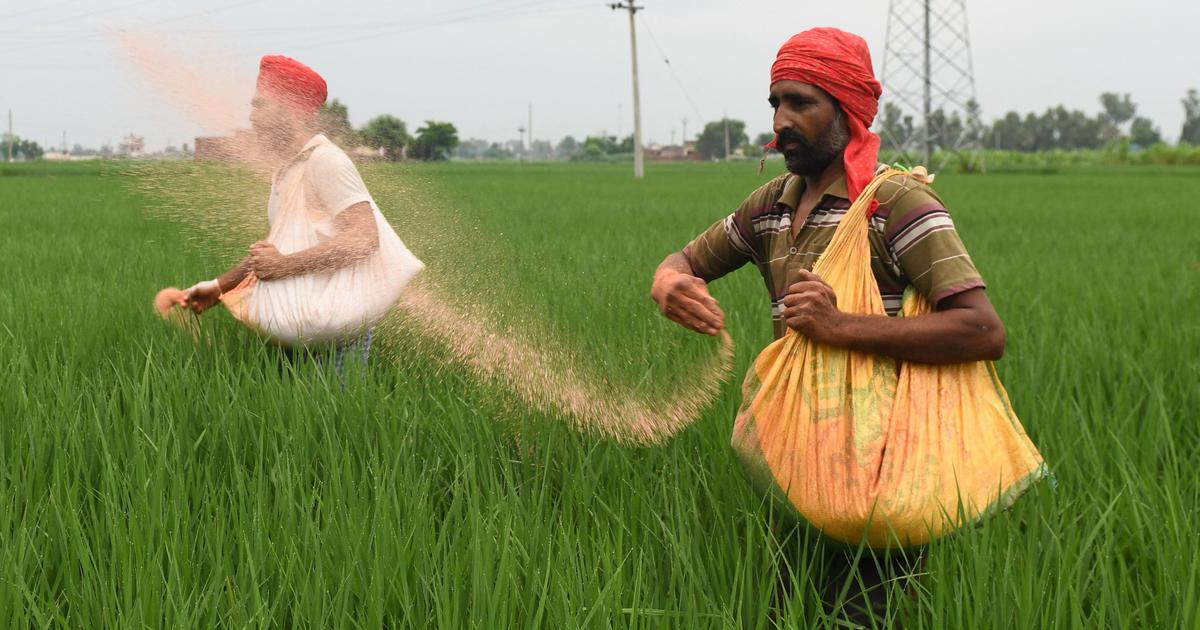
As tensions rise in West Asia, India’s fertilizer industry is beginning to show signs of a critical supply crisis. Throughout March, key stakeholders in this sector have reported production cuts and operational halts, raising alarm bells among farmers and industry experts alike. The situation is largely attributed to a significant reduction in the supply of liquefied natural gas (LNG), a pivotal raw material for fertilizer production in India.
Early in March, the Gujarat Narmada Valley Fertilizers & Chemicals Limited announced a reduction in production plans for neem-coated urea at its plant in Gujarat. Additionally, two National Fertilizers Limited facilities in Punjab—located in Namgal and Bhatinda—suspended their operations entirely. These disruptions stemmed from a substantial 40% cut in LNG supply mandated by the Gas Authority of India Limited (GAIL), an action taken in response to escalating conflict in the Middle East.
India’s dependency on LNG from this volatile region is substantial; nearly half of the country’s fertilizer-grade LNG is sourced from Qatar. The recent damage to the Ras Laffan LNG plant in Qatar on March 19 has further exacerbated the crisis, leading to a cascade of supply chain issues. The repercussions extend beyond raw material shortages, impacting India’s direct imports of finished fertilizers such as urea and diammonium phosphate from Oman, Saudi Arabia, and the United Arab Emirates.
The ongoing conflict has led to the closure of the Strait of Hormuz, a crucial maritime route for these imports, leading to dwindling supplies and heightened anxiety among farmers who rely on timely access to fertilizers for their crops. As planting seasons approach, concerns are mounting that a prolonged supply disruption could adversely affect agricultural productivity across the country.
The Indian government is under pressure to address the looming crisis, as the ramifications of fertilizer shortages could ripple through the economy, affecting food security and driving up prices. Farmers, who are already grappling with the uncertainties of weather and market fluctuations, are now faced with an additional layer of complexity stemming from geopolitical tensions. As the situation continues to unfold, stakeholders are keenly observing government interventions that might mitigate the impact of this crisis.