In a significant stride towards combating climate change, the Indian government announced on Wednesday that it aims for 60% of its installed electricity capacity to originate from non-fossil fuel sources by the year 2035. This declaration forms part of India’s Nationally Determined Contributions (NDCs) for the 2031-2035 period, which were recently approved by the Union Cabinet.
Alongside this commitment to clean energy, India has set a bold target to reduce its carbon emissions intensity by 47% per unit of Gross Domestic Product (GDP) compared to 2005 levels. This ambitious plan is not only a testament to India’s dedication to sustainable development but also reflects its proactive approach in aligning with global climate change objectives.
Furthermore, the government aims to enhance its carbon sink capacity, increasing it to between 3.5 billion and 4 billion tonnes by 2035 through improved forest and tree cover. Carbon sinks play a crucial role in absorbing carbon dioxide from the atmosphere, and bolstering these natural resources is essential as the country seeks to mitigate the impacts of climate change.
These announcements come as part of India’s commitments under the 2015 Paris Agreement, wherein nations pledged to limit global temperature rise to well below 2 degrees Celsius above pre-industrial levels, with aspirations to restrict it to 1.5 degrees Celsius. Failure to achieve these goals could lead to catastrophic climate events, emphasizing the urgency of moving towards greener alternatives.
As India grapples with the growing challenges posed by climate change, including extreme weather events and environmental degradation, the government’s latest targets signal a pivotal shift in energy policies. With an economy that is still heavily reliant on coal and fossil fuels, transitioning to a cleaner energy framework will require significant investments and innovations in renewable energy technologies.
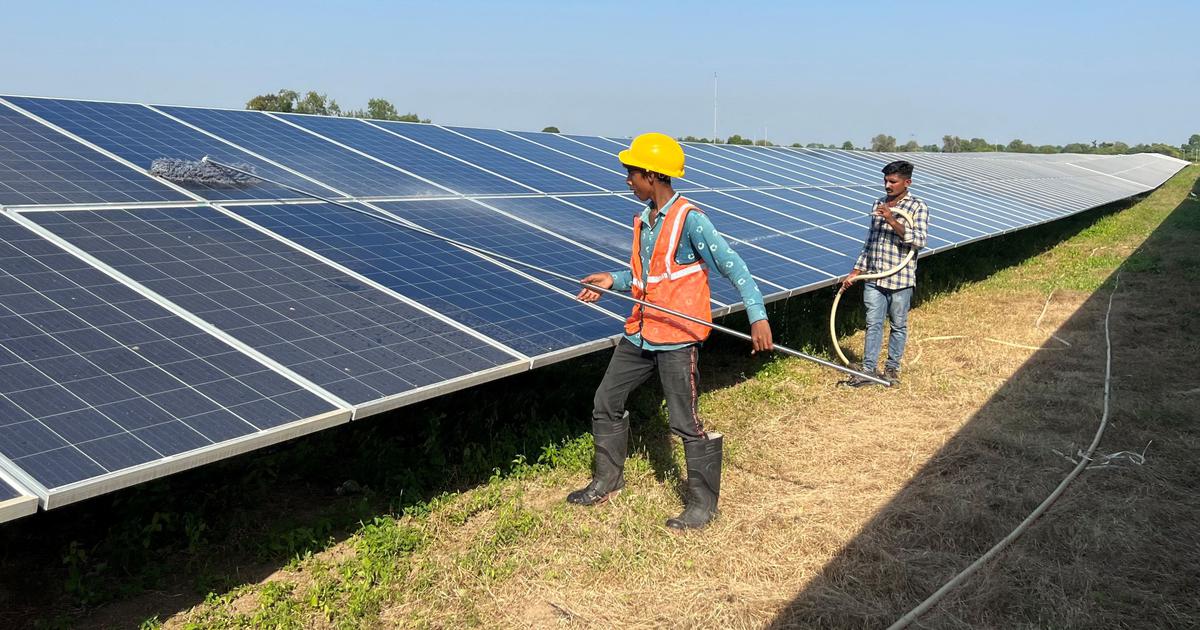
Experts believe that achieving these ambitious targets will necessitate substantial collaboration between the government, private sector, and civil society. Renewable energy initiatives, such as solar and wind power, are expected to play a vital role in this transition, potentially creating millions of jobs and fostering sustainable economic growth.
As India embarks on this transformative journey, the success of these initiatives will not only contribute to the global fight against climate change but also pave the way for a more sustainable future for generations to come.