In a significant diplomatic move, India will join discussions spearheaded by the United Kingdom aimed at restoring safe transit through the crucial Strait of Hormuz. This announcement was made by the Ministry of External Affairs (MEA) during a press briefing on Thursday, where spokesperson Randhir Jaiswal confirmed India’s participation in the talks.
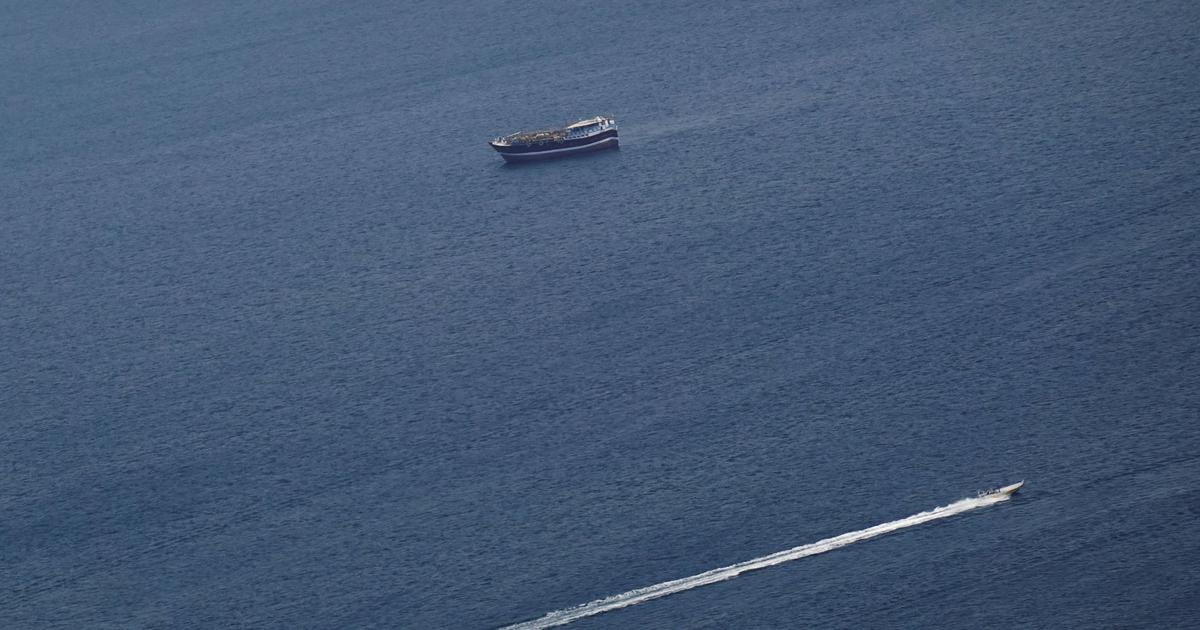
The Strait of Hormuz, a vital waterway that connects the Persian Gulf to the Arabian Sea, is essential for global oil transportation. A considerable portion of the world’s oil passes through this narrow passage, making its security a matter of international concern. The invitation extended by the UK includes several nations, showcasing a collaborative effort to ensure the uninterrupted flow of maritime traffic in this strategic region. India’s Foreign Secretary, Vikram Misri, is set to represent the nation at the meeting.
Interestingly, the United States, which has historically played a significant role in Middle Eastern affairs, notably will not be present at these discussions. This absence comes on the heels of remarks made by former President Donald Trump, indicating that the responsibility for securing the Strait should not solely rest on the U.S. This shift may signal a new era of international cooperation, particularly among European and Asian nations, to address regional security challenges.
As part of its proactive diplomatic approach, India has been in communication with Iran and other regional stakeholders. This dialogue aims to ensure the safety of Indian vessels navigating through the Strait of Hormuz, reflecting India’s commitment to safeguarding its maritime interests. The MEA spokesperson emphasized the importance of maintaining open and safe shipping routes for the nation’s trade and energy supplies.
The talks are expected to evolve into working-level meetings where officials will drill down into the specifics of ensuring security and operational coordination in the Strait. As tensions in the region have risen in recent years, the outcome of these discussions could have profound implications for not only the countries involved but also for global trade.
India’s active involvement symbolizes its growing influence in international maritime affairs and its recognition of the strategic importance of the Strait of Hormuz, both economically and geopolitically. With the potential for increased collaboration, the outcomes of these talks could pave the way for a new framework to ensure regional stability and security.