This year’s summer in India has made an early and unwelcome arrival, bringing with it a wave of heatwaves that have left many residents grappling with dangerously high temperatures. In the first week of March, the mercury in Delhi soared past 35 degrees Celsius, marking the earliest occurrence of such heat since 2011. Meanwhile, the Mumbai metropolitan area saw similar distress, with temperatures climbing to an alarming 40 degrees Celsius, prompting authorities to issue heat alerts.
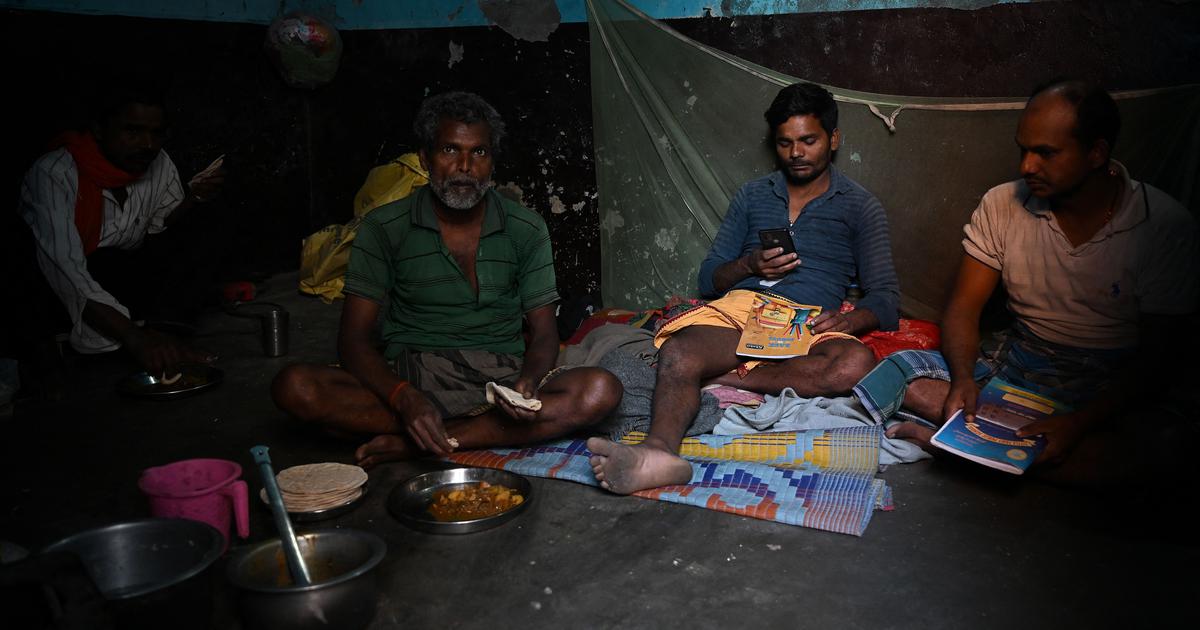
Urban heat is increasingly recognized as a silent, yet deadly crisis affecting millions across Indian cities. At a recent discussion during the Mumbai Climate Week, experts on heat management highlighted a grim reality: not only is the number of heat-related fatalities on the rise, but the urban infrastructure in India’s rapidly expanding cities is ill-equipped to cope with these extreme temperatures. Vulnerable populations—such as the elderly, low-income groups, and outdoor workers—are particularly at risk and require urgent attention and support.
The phenomenon known as the ‘urban heat island effect’ further exacerbates the issue. This effect refers to the phenomenon where urban areas experience significantly higher temperatures than their rural counterparts due to human activities, lack of vegetation, and extensive concrete infrastructure. Recent studies indicate that urban land temperatures in Indian cities are set to rise by an additional 45% compared to surrounding rural areas in the coming years, a statistic that raises serious concerns for public health and safety.
The health implications of rising temperatures are staggering. According to data from the India Meteorological Department, there were 10,545 heat-related fatalities reported between 2000 and 2020. Complementary data from the National Disaster Management Authority places this figure even higher, with 17,767 deaths recorded, while the National Crime Records Bureau has also noted worrying trends. These numbers reflect a growing public health emergency that requires immediate action from both government bodies and civil society.
As Indian cities continue to expand, addressing climate change and heat resilience must become a priority. This includes urban planning strategies that incorporate green spaces, better building materials, and efficient cooling technologies. It is essential for local governments to engage with communities and stakeholders to develop comprehensive action plans aimed at mitigating heat impacts and protecting the most vulnerable populations. Without prompt intervention, the escalating temperatures may transform Indian urban centers into veritable heat traps, endangering lives and livelihoods.