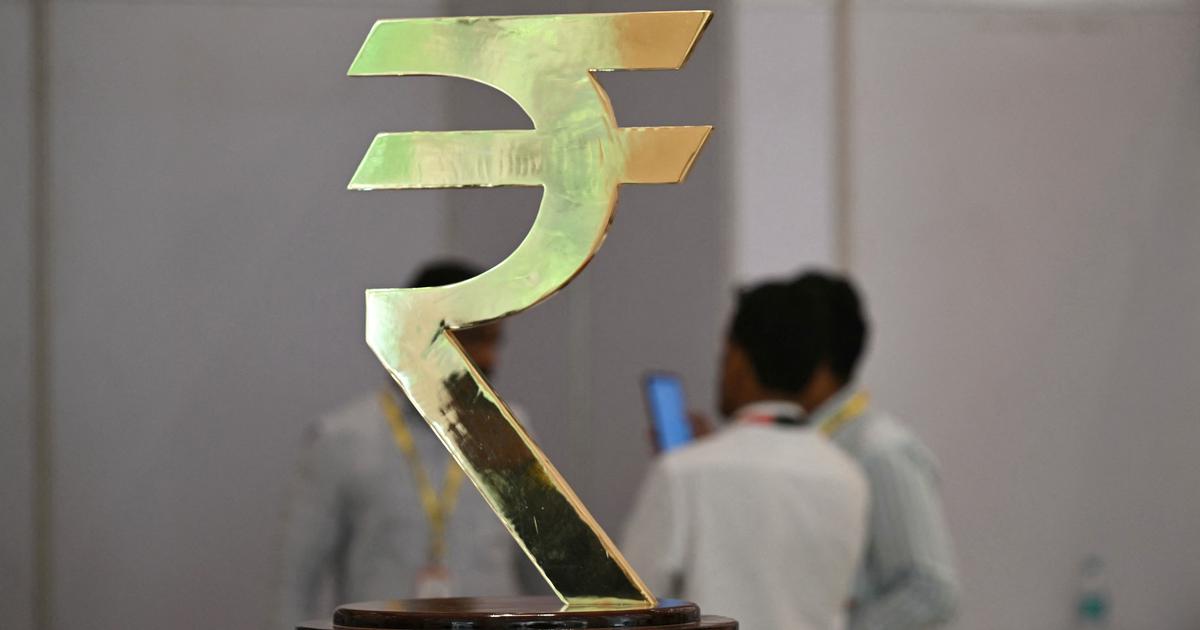
The Indian rupee has plunged to an unprecedented low, surpassing the 93 mark against the US dollar as geopolitical tensions in West Asia escalate. On Friday, during early trading hours, the rupee depreciated by 19 paise, dipping to an intra-day low of 93.08 against its American counterpart, according to reports from PTI.
The currency opened at 92.92 in the interbank foreign exchange market, continuing a downward trend that had seen it drop 49 paise to close at a record low of 92.89 just two days prior. This decline is attributed to growing anxieties surrounding surging global fuel prices, exacerbated by the ongoing conflict in the region. The domestic foreign exchange market was inactive on Thursday due to the Gudi Padwa festival, which may have contributed to heightened volatility.
Foreign institutional investors (FIIs) have intensified their sell-offs in Indian equities, further straining the rupee’s position. As global funds withdraw from the Indian market, the Indian currency faces additional pressure. The ripple effects of the West Asian conflict are being felt not just in the financial markets but also in everyday life, as rising oil prices threaten to fuel inflation across the nation.
As of 12:10 PM on Friday, the price of benchmark Brent crude oil was reported at $103 per barrel, a significant increase from its pre-conflict value of $78 on February 27. The situation worsened on Thursday when prices spiked to $119 per barrel, a direct consequence of Iran’s effective blockade of the Strait of Hormuz, a vital shipping route for international oil trade. This blockade has restricted access for a significant number of commercial vessels, further straining global oil supplies.
With the Indian economy heavily reliant on oil imports, the weakening of the rupee is a cause for concern, particularly as it may lead to increased costs for consumers. Analysts warn that if the current geopolitical tensions persist, the rupee could face even greater challenges. Policymakers will need to strategize effectively to mitigate the impacts on both the currency and the broader economy.