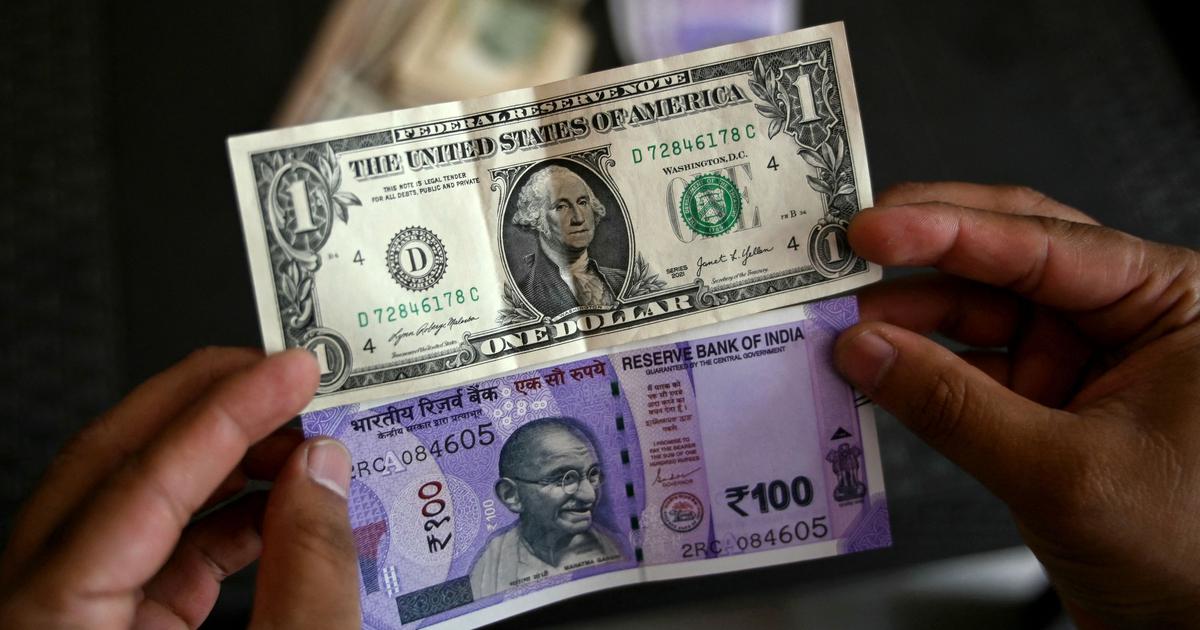
As the geopolitical landscape in West Asia grows increasingly tense, Prime Minister Narendra Modi has called for a pause on gold purchases by Indians. However, this request seems impractical, akin to asking someone to swim upstream. The root of the issue lies in the rupee’s depreciation, which has seen it tumble from around Rs 85-86 per US dollar in mid-2025 to an alarming Rs 95 by mid-2026. This represents a significant annual decline of nearly 10%. In the fiscal year 2025-’26 alone, India imported an astounding $71.98 billion worth of gold, totaling about 721 tonnes, making it the second-largest importer after China. Each dip in the rupee’s value escalates the cost of these gold imports, further straining the economy.
Yet, the crux of India’s economic troubles cannot be addressed solely by building up foreign currency reserves. Asking consumers to reduce gold purchases or to adapt to remote work setups will not resolve the underlying economic vulnerabilities. The rupee’s devaluation is a symptom of deeper systemic issues—predicaments that existed long before the current crisis in West Asia. The persistent fall in the rupee indicates that foreign investors are withdrawing their profits, while domestic investment is also slowing down.
Foreign investors remain cautious about committing their funds to India, a situation echoed by Indian corporations hesitating to make long-term investments. The reasons for this reluctance are clear: a sluggish domestic economy marked by stagnant wages and decreasing consumer spending. This economic fragility is a significant deterrent for potential investors, who may see better opportunities elsewhere, leading to a cycle of withdrawal and further depreciation.
To truly stabilize the rupee and restore confidence among foreign and domestic investors alike, India must undertake comprehensive economic reforms. Strengthening the domestic economy is the first step towards addressing the rupee’s decline. This might involve enhancing the labor market, boosting consumer demand, and encouraging innovation and entrepreneurship. Only through such measures can India hope to not just stem the rupee’s decline but also to foster a resilient economy capable of weathering global storms.
As we navigate these turbulent economic waters, it is essential to remember that the challenges we face are interconnected. The rupee’s performance is not merely a reflection of external factors but a mirror to our internal economic health. A robust, thriving domestic economy will be paramount in ensuring that the rupee regains its strength, allowing India to emerge as a formidable player on the global stage.