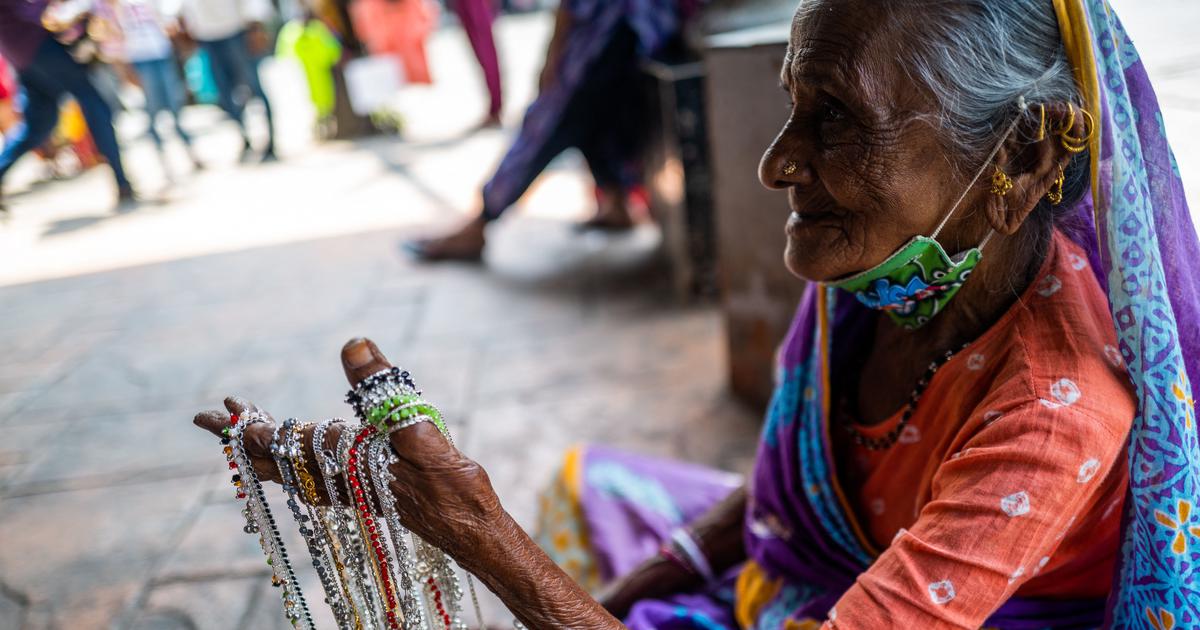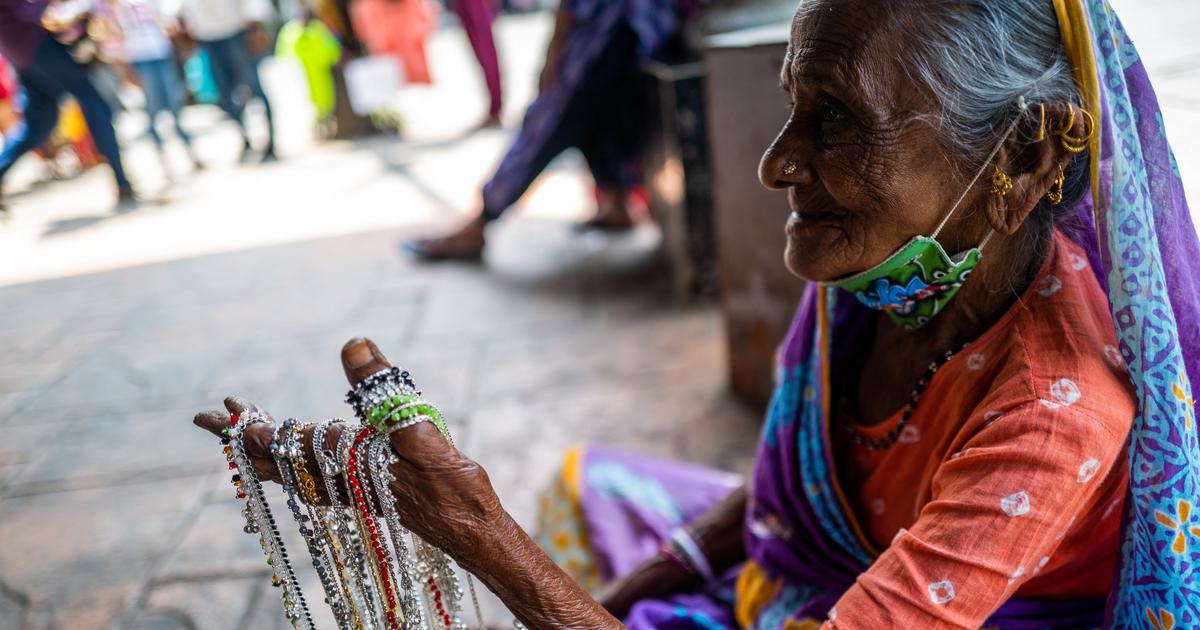
As India’s elderly population continues to grow, the need for comprehensive long-term care, daily assistance, and palliative services becomes increasingly urgent. Government policies advocate for home-based care, yet data reveals that access to these essential services remains woefully inadequate. By 2050, nearly 20% of India’s population will be seniors, creating a pressing need for effective elder care solutions. Unfortunately, many older adults find themselves relying on the capacity of hospitals or the support of family members.
With an aging demographic, Indian national policies are increasingly pointing towards home-based palliative and elder care as a means to alleviate suffering and minimize unnecessary hospitalizations. However, recent findings indicate that these services only reach a fraction of the elderly population, leaving significant gaps between what is promised and what is actually delivered. In this follow-up piece, we delve into how these discrepancies in policy implementation affect caregiving responsibilities, often placing the burden on households.
The framework for home-based palliative care is designed to improve the quality of life for seniors facing chronic and life-limiting illnesses. Under the National Programme for Palliative Care, states are tasked with planning and funding these much-needed services through the National Health Mission. Ideally, trained healthcare professionals should offer not just symptom management but also basic nursing and support for family caregivers. Yet, many families are left to navigate this complex landscape on their own, shouldering the financial and emotional costs involved.
Interestingly, many families report feeling overwhelmed as they take on caregiving roles without the necessary support. The disparity between available services and actual need is stark, with many turning to private options that can be prohibitively expensive. The hope was that with proper implementation of palliative care policies, families would not have to bear such immense pressure. However, the reality suggests that until the gaps in the system are addressed, families will continue to be the frontline caregivers for India’s aging population.