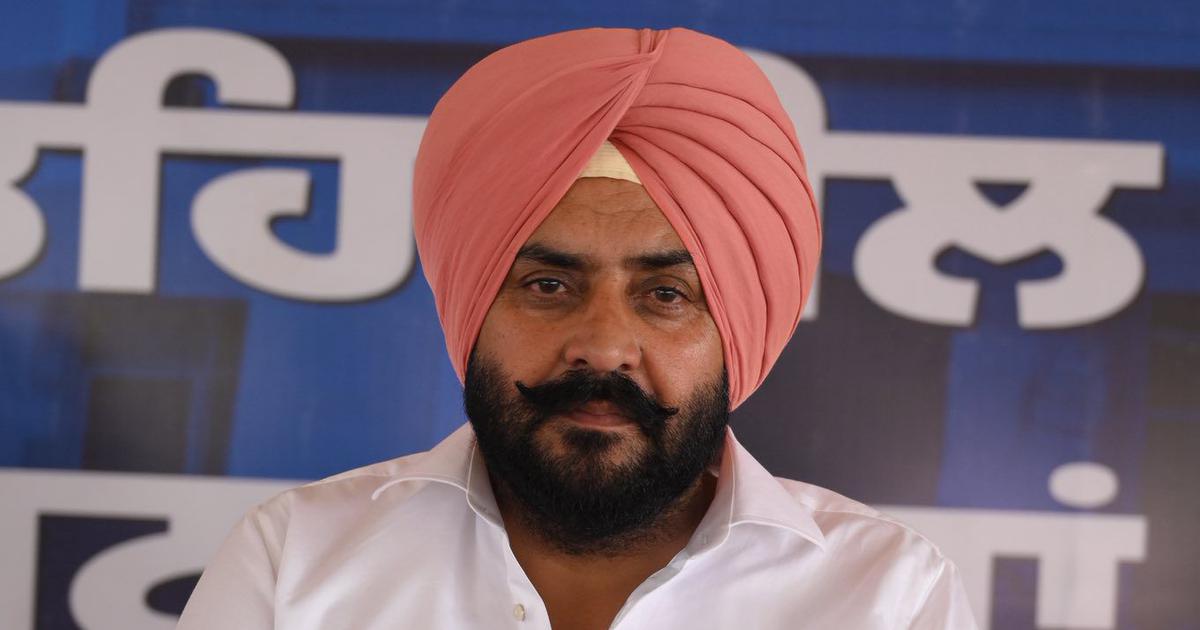
In a poignant chapter of India’s evolving discourse on end-of-life rights, Harish Rana, the first individual in the country to be granted permission for passive euthanasia by the Supreme Court, passed away on Tuesday at the All India Institute of Medical Sciences (AIIMS), Delhi. His demise, reported at 4:10 PM, marks a significant moment for families grappling with similar dilemmas and raises important questions about dignity in death.
Rana’s journey began in August 2013, when a tragic fall from the fourth floor of a building in Chandigarh left him with a severe traumatic brain injury. Since then, he had been confined to a permanent vegetative state, enduring a life devoid of consciousness or awareness. After nearly a decade of suffering, his family sought the court’s intervention, leading to a landmark ruling on March 11, 2023, which permitted the withdrawal of life support.
This case is particularly noteworthy as it was the first application of the Supreme Court’s 2018 judgement that recognized the concept of passive euthanasia, allowing living wills or advance directives that empower individuals to make decisions about their medical care as they approach the end of their lives. The five-judge Constitution bench underscored that the right to life, enshrined in Article 21 of the Indian Constitution, inherently includes the right to live with dignity, even in death.
Harish Rana’s family expressed deep grief over his passing, acknowledging the profound emotional and legal journey they undertook. Their plea for passive euthanasia brought forth a debate that had been largely dormant in Indian society, igniting discussions around the ethics of life support and the societal perception of disability and suffering.
Over the years, the case has been compared to other pivotal moments in India’s healthcare and legal system, notably the case of Aruna Shanbaug, who remained in a comatose state for nearly 42 years. Her case also spurred discussions on the right to die with dignity, leading to a gradual shift in societal attitudes. The court’s landmark decision has not only set a precedent but has also opened the door for further discourse on patients’ rights and the responsibilities of medical professionals in such scenarios.
As society reflects on Harish Rana’s life and his family’s courageous decision, it is clear that this case symbolizes more than just a legal milestone; it represents a growing recognition of individual autonomy over one’s life choices, especially in the face of chronic illness and suffering. The implications of this ruling will undoubtedly resonate in discussions about palliative care and the ethics of medical intervention in India for years to come.