India’s Language Dilemma: The Struggle to Preserve Indigenous Tongues Amid Hindi’s Dominance
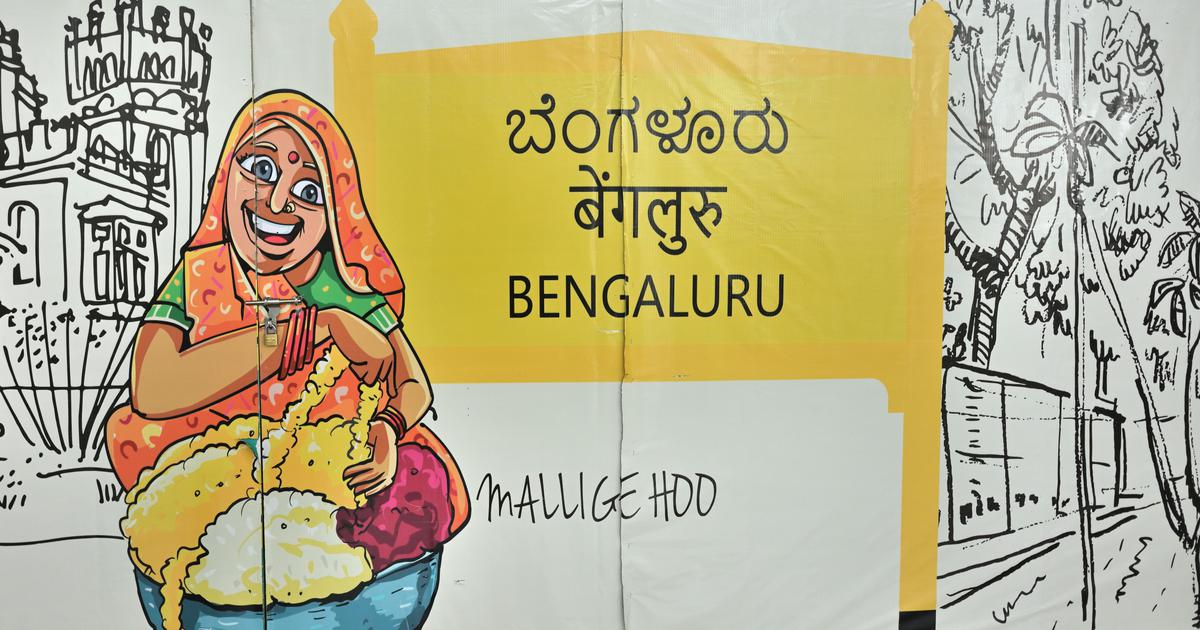
India’s linguistic landscape is rich and diverse, yet it faces significant challenges in preserving indigenous and regional languages. While the Constitution of India champions linguistic diversity, many argue that the promotion of Hindi has not fostered the growth of other Indian languages. This raises questions about the efficacy of the three-language policy, which aims to ensure that students across the country learn multiple languages.
In practice, however, the implementation of this policy has varied widely. For example, students in South India are often required to learn three languages, typically their regional language, Hindi, and English. Conversely, many regions in North India adopt a bilingual approach, focusing primarily on the state language and Hindi. This inconsistency has led to calls for a more uniform approach that would allow students to learn their local language alongside English. Advocates argue that such a policy would not only promote fairness in education but also alleviate the academic pressure on students while enhancing effective communication skills.
The plight of indigenous languages is poignantly illustrated by the experience of the Singpho community in Assam. Members of this community speak their native Singpho dialect while also being fluent in several other languages like Assamese, Hindi, English, and others. However, there is growing concern that younger generations are drifting away from their indigenous roots, losing touch with their native languages in the face of globalization and the increasing prominence of Hindi and English in daily life.
Sonabor Duwania, a member of the Singpho community, highlights this dilemma, noting the multilingual advantages that come with such linguistic diversity. However, he is also aware of the steep price being paid as indigenous languages face decline. The challenge lies not only in preserving these languages but also in instilling pride and importance in them for future generations.
Critics of the current language policies argue that the dominance of English has also played a role in sidelining local languages, as proficiency in English is often equated with better job prospects and economic opportunities. In some states, this has led to the replacement of local languages with English, further undermining their use in both educational contexts and everyday life. This shift reflects a broader trend where local governments and communities themselves may inadvertently contribute to the decline of indigenous languages, often prioritizing languages perceived as more economically advantageous.
As the debate around language policy continues, it is crucial to strike a balance that respects India’s linguistic heritage while adapting to the realities of a modern economy. The preservation of indigenous languages is not merely a cultural concern; it is an essential component of India’s identity and social fabric. Emphasizing the importance of local languages in education, media, and public life may provide a pathway to safeguard them for future generations, ensuring that the rich tapestry of India’s linguistic diversity remains vibrant and relevant.