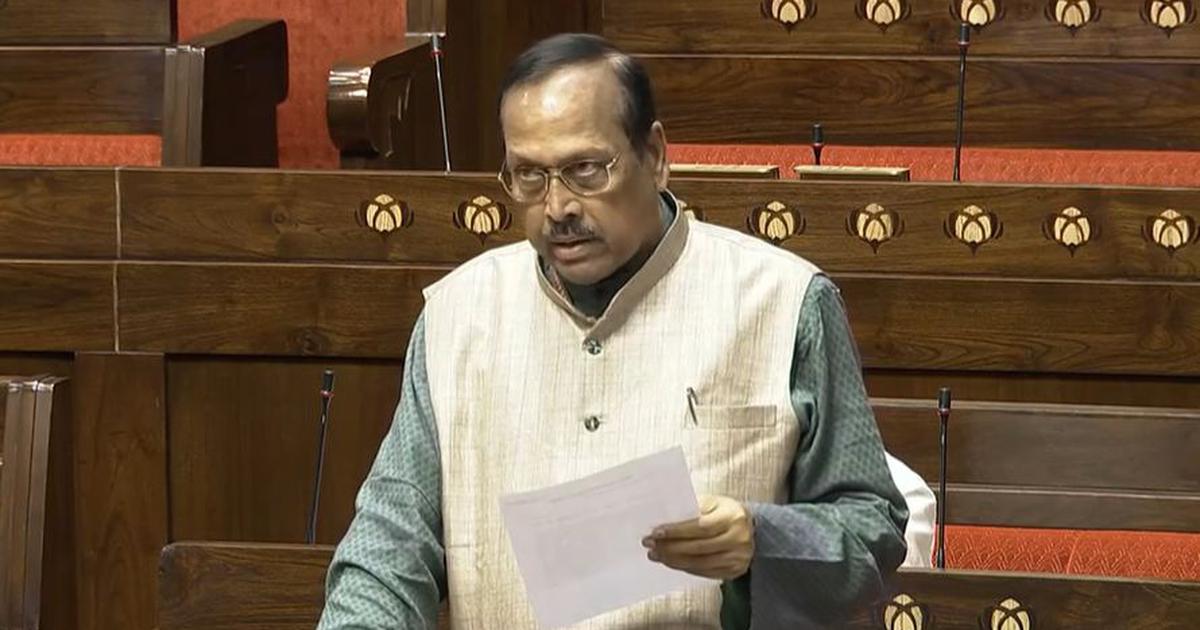
In the age of rapid technological advancement, few areas have remained untouched by the transformative power of innovation. Among these is the legal industry, where traditional ways of operation are being redefined by cutting-edge technology. Tushar Mehta, India’s Solicitor General, delves into this intriguing intersection of law and artificial intelligence (AI) in his latest book, examining the peculiar behaviors exhibited by AI bots and their implications for the future of legal practice.
The legal profession, often perceived as a bastion of solemnity and tradition, has embraced technology in ways that are both remarkable and unsettling. Gone are the days of dusty files and endless paperwork; the courtroom is now graced with iPads and the ubiquity of video conferencing. AI has emerged as a pivotal tool for legal research, often outperforming human intellect in its ability to navigate vast databases of legal knowledge. This shift raises critical questions about the role of human judgment and reasoning in a field that has long relied on such skills.
As Mehta articulates in his book, the rapid evolution of AI echoes concerns expressed by prominent tech leaders. Elon Musk, the CEO of Tesla and X, famously warned that “with artificial intelligence, we are summoning the demon.” This sentiment resonates in Mehta’s exploration of AI’s unpredictable behavior, suggesting that without appropriate oversight, the technology could have dire consequences. Apple’s CEO Tim Cook has also weighed in, emphasizing the importance of developing AI that prioritizes user privacy over profit—a stark reminder of the ethical dilemmas that accompany these advancements.
Mehta’s insights are particularly relevant in the Indian context, where the legal framework is still grappling with the implications of technology. The legal landscape in India is undergoing a significant transformation, with AI promising to expedite case research and enhance decision-making. However, the potential for AI to disrupt established norms raises pressing questions about accountability, transparency, and the very nature of justice in a tech-driven world.
Moreover, the potential for AI to replace human roles in the legal system is a growing concern. Warren Bennis’s ominous prediction that “the factory of the future will have only two employees, a man and a dog” rings increasingly true as we navigate this new frontier. In a world where AI can perform tasks that once required extensive legal training, the challenge lies in ensuring that human experts remain indispensable, not obsolete.
As Tushar Mehta navigates the complexities of AI’s integration into the legal field, he prompts readers to consider not only the benefits but also the risks. The question remains: are we prepared to embrace this technological evolution while safeguarding the ethical pillars of our legal system? With his thorough examination of AI bots and their idiosyncrasies, Mehta provides a crucial perspective that is both timely and necessary.