India’s Wealth Inequality: Rich Families’ Fortunes Soar by 400% Amidst Stagnant Wages for the Poor
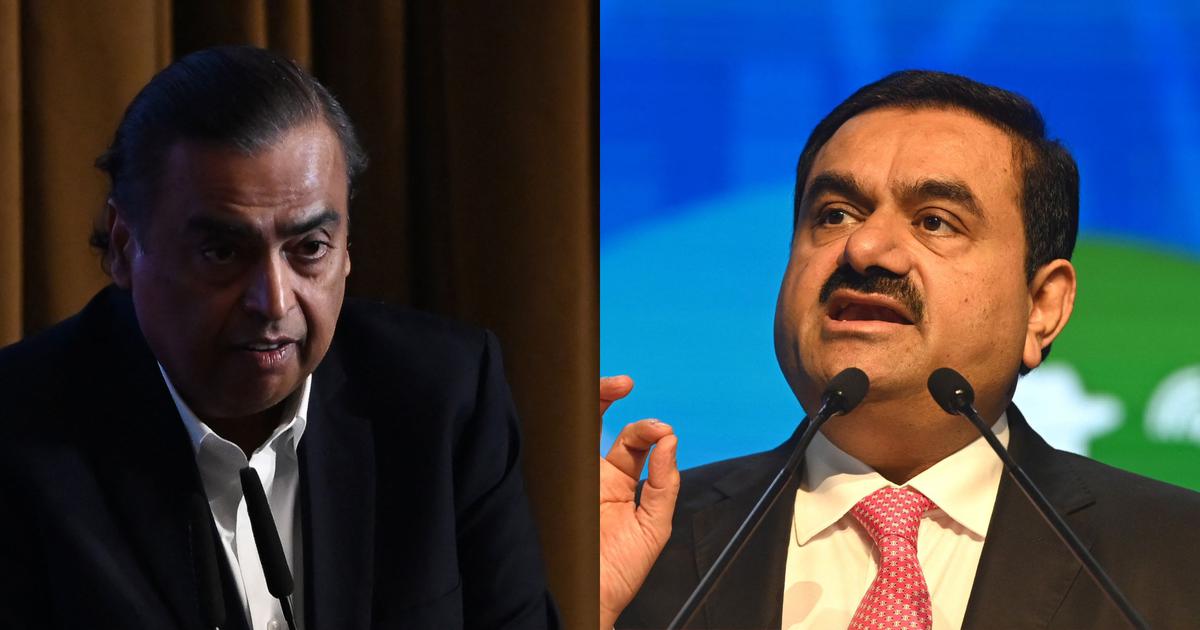
A recent study has unveiled a striking disparity in wealth accumulation among India’s elite during the past six years. According to the report titled ‘Wealth Tracker India 2026’, released by the Centre for Financial Accountability in collaboration with the Tax The Top campaign, the wealth of the five richest families in India has skyrocketed by a staggering 400% from 2019 to 2025.
This eye-opening research highlights a troubling trend in the nation’s wealth distribution, revealing that while the richest families continue to amass significant fortunes, the financial wellbeing of the bottom 50% of the population has remained virtually stagnant, with their wealth share stuck at a mere 6.4% as of 2024. The report paints a grim picture, suggesting that the levels of inequality in India today are reminiscent of those witnessed during the colonial era, with the wealthiest 1% controlling over 40% of the nation’s total wealth.
As of now, the cumulative wealth of India’s ultra-rich—defined as individuals with a net worth exceeding Rs 1,000 crore—has crossed an astounding Rs 166 lakh crore, which is nearly half of India’s Gross Domestic Product (GDP). The study argues that a progressive wealth tax imposed on the top 1,688 ultra-rich individuals could be a viable solution to address this stark inequality. The proposed tax, ranging from 2% to 6%, along with an additional one-third inheritance tax on their vast fortunes, could generate over Rs 10 lakh crore annually, significantly bolstering the country’s welfare programs.
Implementing such a tax could enable the Indian government to enhance spending on health and education by 1% each of GDP. This increase in public investment could directly impact the living standards of millions, providing better access to healthcare and educational resources. The study emphasizes that these funds could be pivotal in addressing urgent social issues, thereby narrowing the wealth gap that continues to widen.
The findings of the study have ignited discussions among policymakers and economists about the urgent need for a more equitable taxation system. As India strives for inclusive growth, the question remains: can the government implement effective policies that ensure the prosperity of the few does not come at the expense of the many? The report’s stark revelations challenge the status quo and call for immediate actions to rectify the growing chasm of wealth inequality in the country.