Intel Strikes Back: Core Ultra 7 270K Plus and Core Ultra 5 250K Plus Launched to Reclaim Gaming Crown
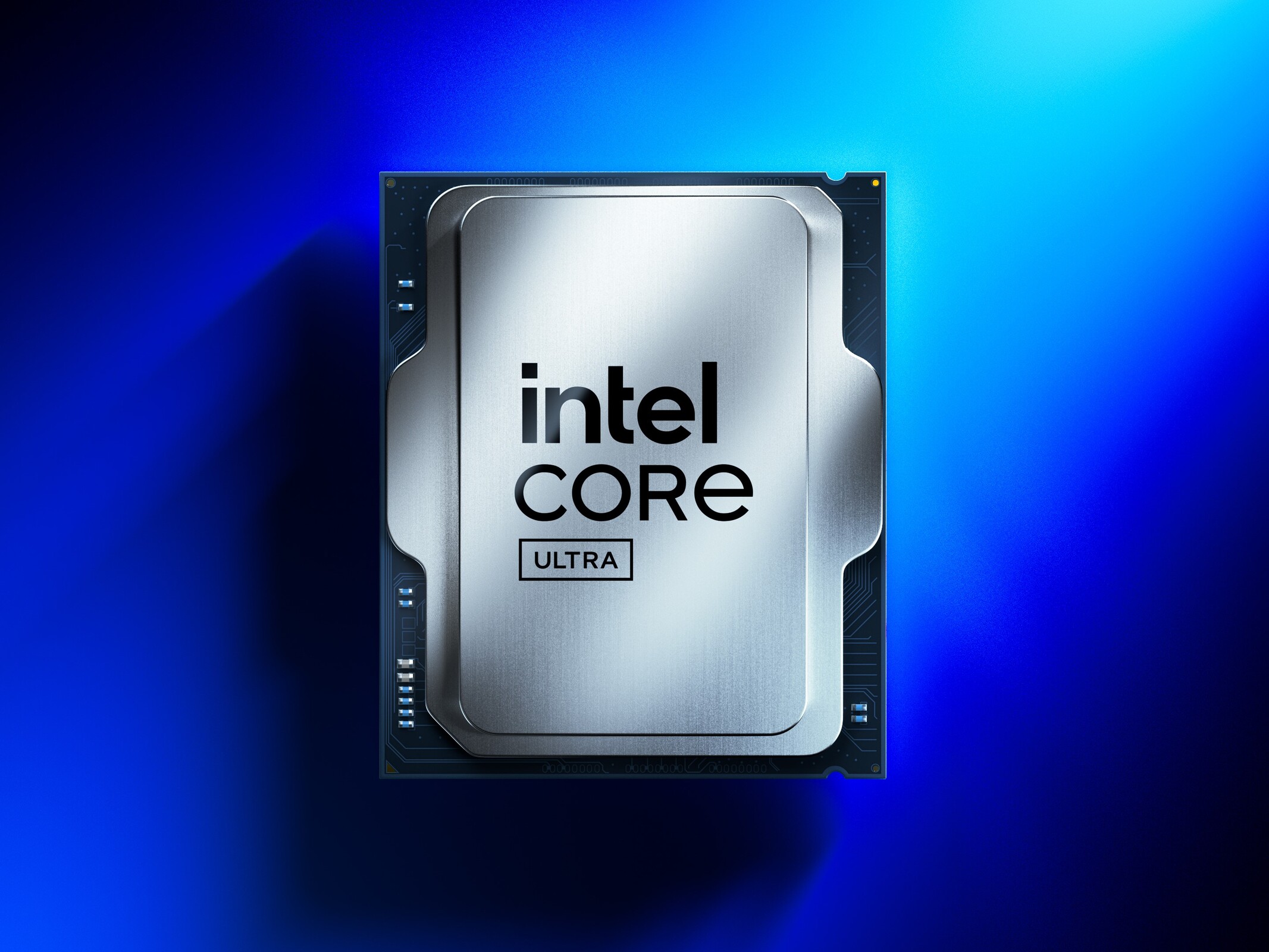
Intel Strikes Back: Core Ultra 7 270K Plus and Core Ultra 5 250K Plus Launched to Reclaim Gaming Crown
In a strategic move to silence critics and regain its footing in the enthusiast market, Intel officially launched the Intel Core Ultra 7 270K Plus and Core Ultra 5 250K Plus desktop processors this week. Announced on March 11, 2026, during a global technical keynote, these “Arrow Lake Refresh” chips represent a rapid response to the lukewarm reception of the initial Core Ultra Series 2 release. By increasing core counts, boosting internal frequencies, and slashing prices, Intel is targeting gamers and creators who felt the previous flagship offerings lacked a definitive edge over the competition.
The launch is not just about raw numbers; it is a tactical “second take” on the LGA1851 platform. These processors are designed to be drop-in upgrades for existing 800-series motherboards, offering a path for users to access flagship-tier performance without the flagship price tag. With a retail availability date set for March 26, 2026, Intel is positioning these “Plus” variants as the definitive versions of their latest architecture.
Architecture Refined: More Cores, Less Latency
The most significant change in the Plus series is the expansion of the efficiency core (E-core) count. The Core Ultra 7 270K Plus now boasts a formidable 24-core configuration, consisting of 8 Performance cores and 16 Efficiency cores. This is a notable jump from the 20 cores found in the 265K, essentially giving the 270K Plus the same core density as the top-tier Ultra 9 285K. Meanwhile, the Core Ultra 5 250K Plus steps up to 18 cores (6P + 12E), providing a massive boost for parallelized workloads and background tasks.
Beyond the physical cores, Intel has addressed the “Achilles’ heel” of the original Arrow Lake design: system latency. The new chips feature a die-to-die (D2D) frequency increase of up to 900MHz. This faster communication link between the CPU compute tile and the memory controller significantly reduces the time it takes for data to travel within the processor. For gamers, this translates to more consistent frame times and a smoother experience in CPU-bound titles.
Explosive Performance and AI Optimizations
Intel is making bold claims regarding the gaming prowess of these new units. According to internal benchmarks, the Core Ultra 7 270K Plus is up to 15% faster in gaming than its predecessors. In specific titles like Shadow of the Tomb Raider, the company claims gains as high as 39% when utilizing their new Intel Binary Optimization Tool. This software-layer innovation re-optimizes executable code at runtime, allowing older or unoptimized games to take full advantage of the modern Arrow Lake instruction sets.
On the productivity front, the 103% multithreaded performance advantage claimed over competing mid-range CPUs highlights Intel’s reliance on its high E-core count. These efficiency cores handle heavy-duty rendering and multitasking, while the Performance cores focus on high-burst tasks. Memory support has also seen a standard bump to DDR5-7200, with early support for 4-rank CUDIMM modules that promise even higher bandwidth for data-intensive applications.
Disruptive Pricing and Market Impact
Perhaps the most shocking aspect of the launch is the aggressive pricing strategy. Intel has set the MSRP for the Core Ultra 7 270K Plus at $299 (approx. ₹24,900), while the Core Ultra 5 250K Plus arrives at a highly accessible $199 (approx. ₹16,500). By pricing a fully-enabled 24-core chip at the $300 mark, Intel is effectively disrupting its own product stack and putting immense pressure on competitors.
This pricing suggests that Intel is prioritizing market share and user trust over high margins in the short term. For builders in India and globally, this creates a high-value entry point into the newest platform, making the “Plus” series an attractive choice for those who skipped the initial Core Ultra launch due to price-to-performance concerns.
Looking Ahead: The Future of the LGA1851 Platform
The introduction of the Plus series marks the “ultimate expression” of the Arrow Lake generation. While Intel has opted not to refresh the Ultra 9 tier yet, the 270K Plus essentially acts as a “budget flagship,” offering 95% of the performance of the Ultra 9 for nearly half the price. Looking forward, the industry expects more 800-series motherboard variants to arrive throughout 2026, further optimizing the specialized memory features introduced with these chips.
As the enthusiast community awaits independent third-party reviews, the initial sentiment is one of cautious optimism. Intel has addressed the core complaints—latency, core count, and value—in one swift motion. If the real-world performance holds up to the benchmarks, the Core Ultra 7 270K Plus could become the go-to recommendation for the 2026 gaming season.
The Intel Core Ultra 7 270K Plus and Core Ultra 5 250K Plus represent a vital course correction for the tech giant. By doubling down on core counts and aggressive pricing, Intel is finally delivering the enthusiast-grade value that the Arrow Lake platform originally promised.