




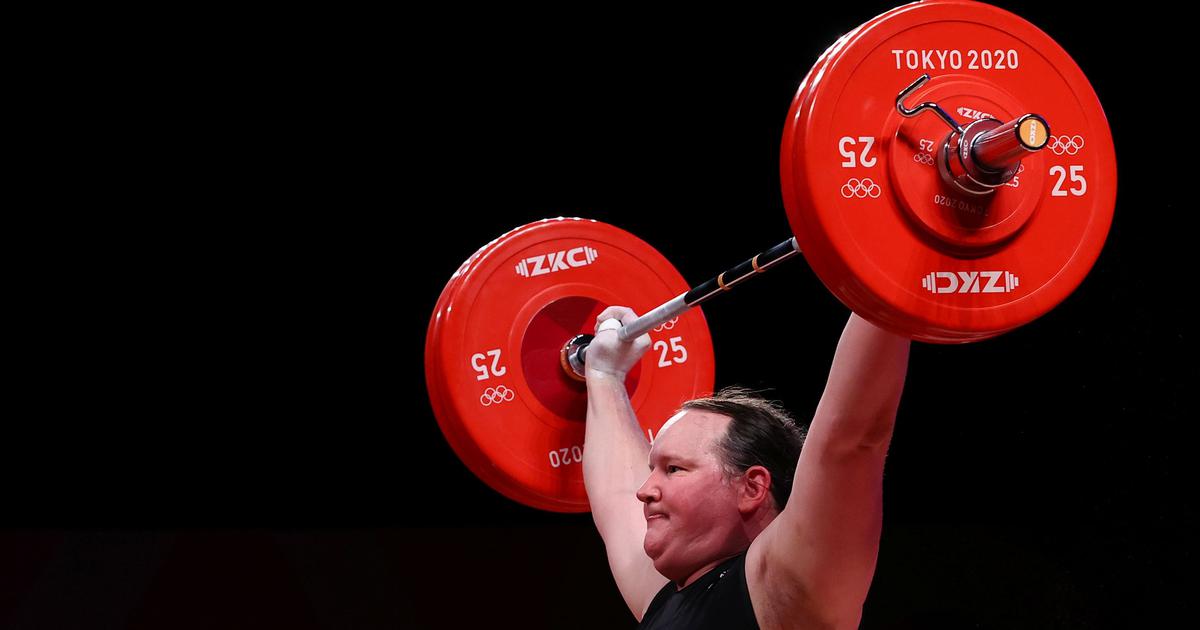
The International Olympic Committee (IOC) has made a significant and contentious policy shift that will prevent transgender athletes from participating in women’s events. This decision, made on March 26, 2026, has sparked intense debate and backlash from various quarters, highlighting the complexities surrounding gender identity in sports.
The IOC has announced that eligibility for women’s competitions will now be determined by a controversial ‘once-in-a-lifetime’ sex test. This measure aims to disallow transgender women and athletes with differences in sexual development from competing in the female category. Previously, eligibility criteria were left to individual sports federations, making this policy change a notable reversal.
This new directive entails genetic testing, specifically screening for the SRY gene, which is indicative of male sexual development. The IOC’s rationale is based on the assertion that the presence of the SRY gene is a permanent feature in individuals and serves as reliable evidence of having undergone male physical development. Such a stringent requirement raises serious questions about the impact on athletes across all levels—from elite champions to grassroots competitors.
The announcement has been met with a fierce backlash from human rights advocates, who argue that the IOC’s decision contravenes established human rights laws. Critics contend that the new policy not only discriminates against transgender athletes but also undermines the spirit of inclusivity that sports should embody. This shift could lead to legal challenges, as the implications of the policy are far-reaching and could affect the careers of numerous athletes worldwide.
In the Indian context, the discourse around transgender rights has been evolving, particularly following the landmark NALSA judgment in 2014, which recognized the rights of transgender individuals. However, the IOC’s latest stance may add complexity to the ongoing dialogue about gender identity in sports. As India strives for inclusivity in all sectors, including athletics, this policy may provoke discussions on how to balance competitive fairness and human rights.
As the IOC rolls out this new policy, the global sports community will be watching closely. The ramifications of this decision could fundamentally reshape the landscape of women’s sports, raising essential questions about what it means to compete fairly in a diverse and changing world.

