Iran Assures Strait of Hormuz Will Remain Open Amid Tensions; Saudi Oil Tanker Arrives in Mumbai
In a recent statement, Iran has confirmed that it will not close the critical Strait of Hormuz, a key maritime route where approximately 20% of the world’s oil transits. The announcement, made by Iran’s UN Ambassador Saeid Iravani, comes as Iran grapples with escalating tensions in West Asia, particularly following comments from the newly appointed Supreme Leader, Mojtaba Khamenei, suggesting a continued blockade of this vital waterway.
Iravani emphasized Iran’s commitment to respecting the principle of freedom of navigation under international law. He noted that the current unrest in the region is not a consequence of Iran’s legitimate self-defense actions. This clarification seems aimed at addressing mounting concerns among global oil markets, especially after Khamenei’s remarks led to a spike in Brent crude oil prices, which surpassed the $100-per-barrel threshold.
The backdrop to these statements is the ongoing military activities involving Israel and the United States, who have intensified their operations against Iranian interests since February. Oil prices have soared nearly 40% in this period, reflecting investors’ worries about potential disruptions in supply.
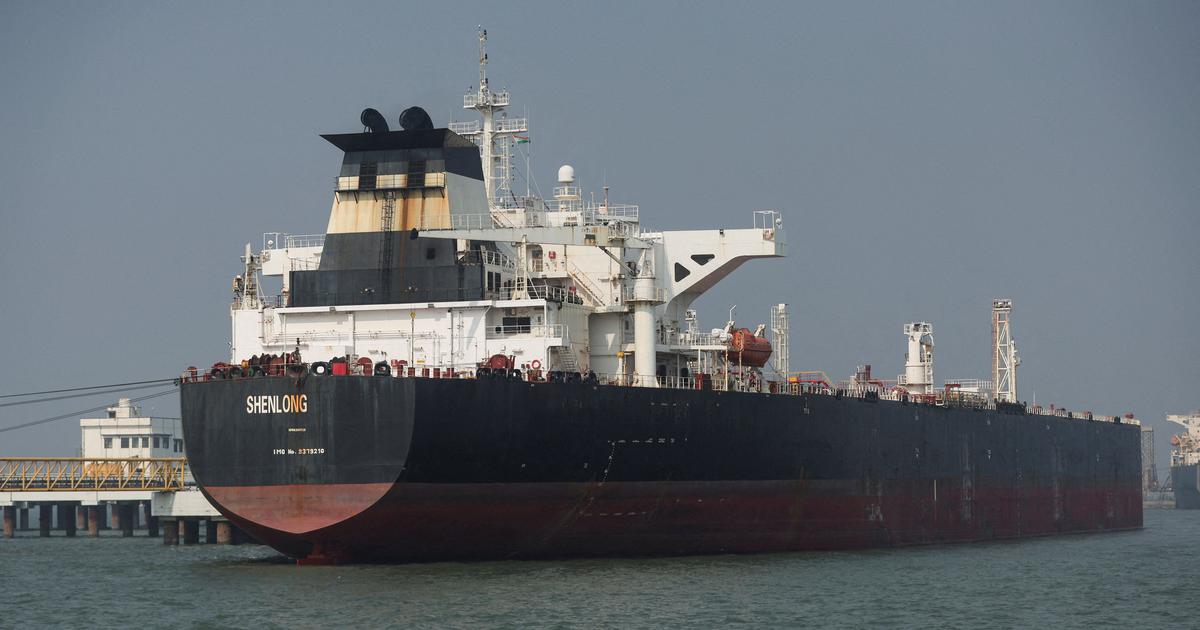
In another development, a Liberian-flagged oil tanker carrying approximately one million barrels of crude, which departed from Saudi Arabia on March 3, has successfully docked in Mumbai. This shipment is significant given the heightened tensions in the region, and it highlights the resilience of oil trade routes, despite the current geopolitical climate.
As these events unfold, the international community watches closely, aware that the Strait of Hormuz remains a flashpoint that could significantly impact global energy supplies. With Iran asserting its rights while navigating through a landscape filled with threats, the next steps in this unfolding drama remain critical for both regional stability and the global economy.