Iran Dismisses Trump’s Threat Amid Tensions, Drone Attack Sparks Fire in Kuwait Oil Facility
The escalating tensions between the United States and Iran reached a new peak over the weekend as the Iranian military firmly rejected President Donald Trump’s ultimatum demanding a peace agreement within 48 hours. In a functionally charged statement, General Ali Abdollahi Aliabadi labeled Trump’s threats as a manifestation of desperation and erratic behavior, stating that such remarks were indicative of a ‘helpless, nervous, unbalanced and stupid action.’
Trump had earlier claimed that time was running out for Tehran and warned of severe repercussions if they failed to comply with his demands. His rhetoric on Saturday was especially pointed, stating that if Iran did not agree to a deal in the next two days, “all hell will [rain] down on them.” This comes after a previous announcement on March 26, when Trump suggested a temporary halt on attacks against Iranian energy facilities, asserting that dialogue with Tehran was progressing positively.
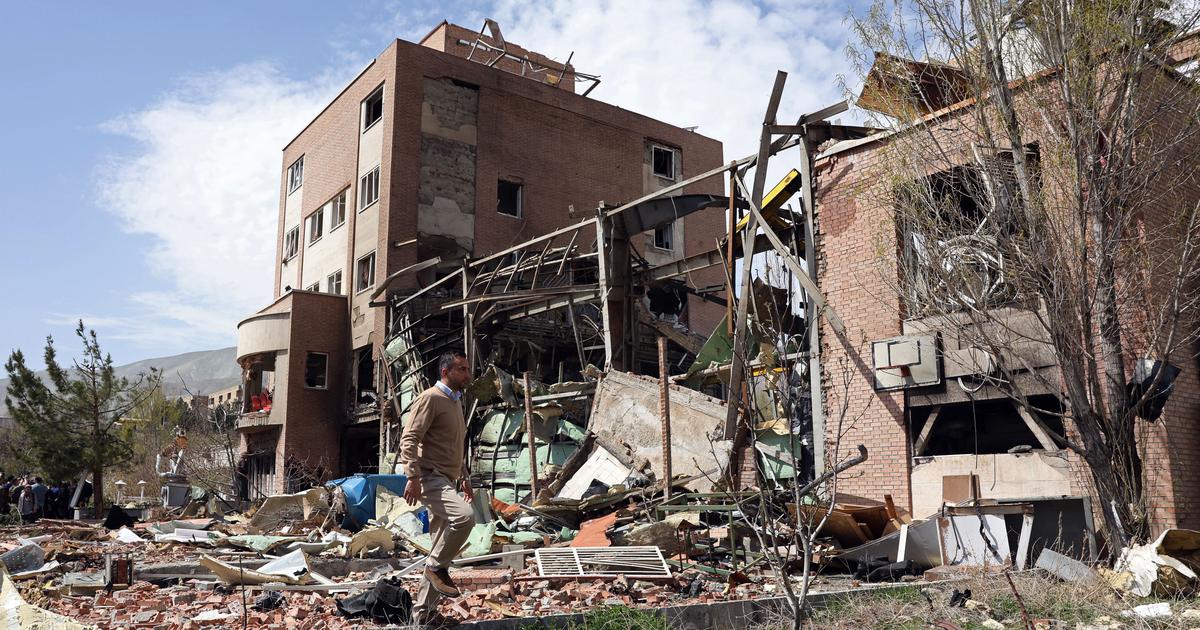
In a related development, a drone assault on Kuwait’s Shuwaikh oil sector complex on Saturday resulted in a significant fire, which prompted emergency services to spring into action. The Shuwaikh complex houses both the oil ministry and the headquarters of the Kuwait Petroleum Corporation. Fortunately, no casualties were reported in the incident, although the finance ministry confirmed that the drones caused ‘material damage’ to the ministries complex in Kuwait City.
This incident adds another layer to the already complex geopolitical landscape of West Asia, where tensions have been simmering for decades. The conflict between Iran and the US has been marked by a series of confrontations, including sanctions, threats, and military maneuvers. For India, which relies heavily on oil imports from the Gulf region, these developments not only heighten concerns regarding regional stability but also impact global oil prices and economic ties.
As the situation continues to unfold, it is crucial for India to monitor these developments closely. The Gulf region’s stability is vital for India, given that it houses a significant Indian diaspora and is a major source of energy imports. The implications of any escalation in conflict could reverberate throughout the Indian economy and the lives of millions of Indians living and working in the region.