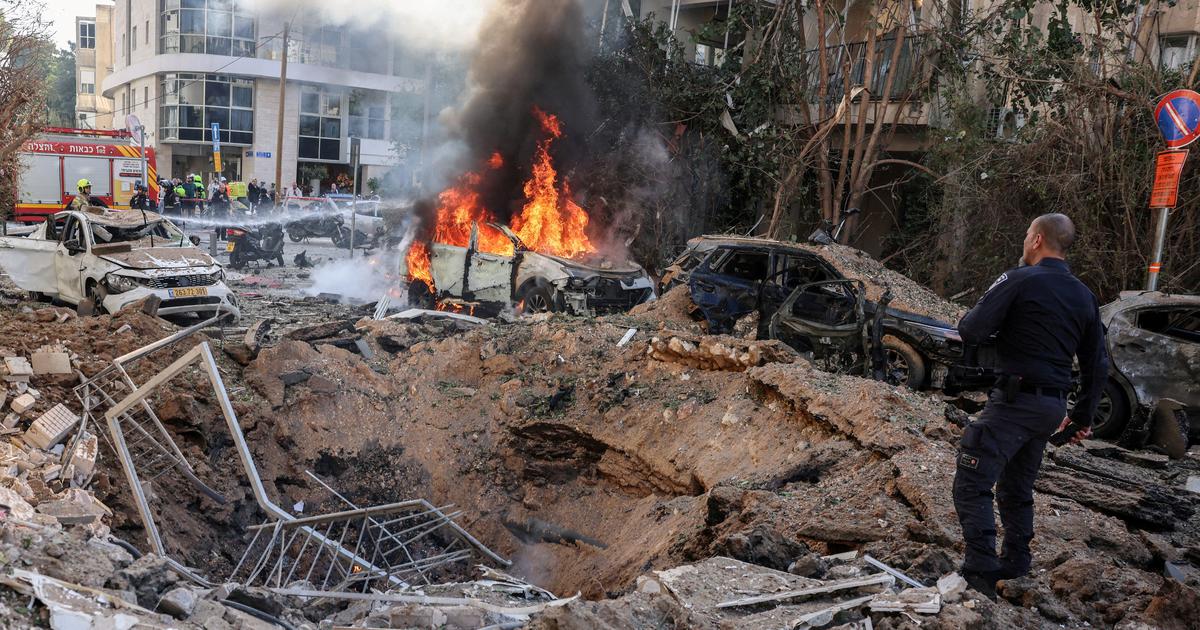
The ongoing conflict in West Asia continues to escalate as Iran has firmly rejected a ceasefire proposal put forward by the United States. The 15-point plan, intended to pause hostilities and negotiate a path toward peace, was received with skepticism in Tehran. An official from Iranian state television, who remained unnamed, reported that the Iranian government will decide on the cessation of war based on its own conditions.
This statement came in the context of remarks made by Iranian Foreign Minister Abbas Araghchi, who declared that Iran has not engaged in any discussions aimed at ending the conflict and has no intentions of doing so in the near future. Araghchi’s comments contrast sharply with assertions made by US President Donald Trump, who suggested that Iran is eager to negotiate but is reluctant to openly acknowledge this desire.
The US proposal reportedly encompasses several key issues, including relief from sanctions, collaboration on civilian nuclear initiatives, limitations on Iran’s missile program, and oversight measures from the International Atomic Energy Agency (IAEA). Additionally, it aims to facilitate access to shipping through the vital Strait of Hormuz, a critical artery for global oil transport. However, Iranian officials view these terms as insufficient or unacceptable.
In response, Iran has outlined its own preconditions for negotiating peace. These include demands for reparations for damages incurred during the conflict, an assurance against aggressions and targeted assassinations, and firm guarantees to prevent future military actions against Iranian sovereignty. Such assertions underscore Iran’s determination to protect its national interests and assert its position in the geopolitical landscape of West Asia.
The regional implications of the ongoing strife are profound, with various powers closely watching the developments. Countries in the Middle East, India, and across the globe are aware that the stability of the region impacts international relations and economic conditions far beyond its geographic borders. As tensions rise, the hope for a peaceful resolution remains tenuous, and the diplomatic landscape appears increasingly complicated.