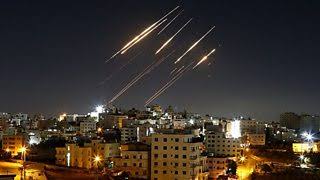
Iran-Israel Shadow War Steals Headlines: Accusations and Counter-Claims Fly
The long-simmering tensions between Iran and Israel have boiled over into a very public war of words – and potentially, actions. This latest update covers a series of tit-for-tat accusations and mysterious incidents that are keeping the region on edge.
The Trigger:
The current spike in tensions began with an airstrike on an Iranian consulate building in Damascus, Syria, earlier this month. The attack killed several high-ranking Iranian military commanders, including Qassem Soleimani’s successor. While Israel has neither confirmed nor denied its involvement, Iran has firmly placed the blame on its regional rival and vowed a significant response.
Escalation and Accusations:
Since the Damascus attack, a string of suspicious incidents has further complicated the situation. Reports have emerged of cyberattacks targeting both Israeli and Iranian infrastructure, though the severity and specific targets remain unconfirmed. Both countries have long-standing, robust cyber capabilities and a history of targeting each other’s digital networks.
Accusations fly over drone sightings: Over the past week, reports have surfaced of unidentified drones flying in the vicinity of critical Israeli military installations. While no drone has been brought down and no damage has been reported, these incidents have raised concerns about potential Iranian drone capabilities and their willingness to test Israeli air defenses. Iran, in turn, has accused Israel of similar provocations, though no concrete evidence has been provided by either side.
Diplomatic Fallout:
The escalating rhetoric is having a chilling effect on regional diplomacy. International efforts to revive the Iran nuclear deal, already on shaky ground, seem increasingly fraught with difficulty. Israel, a vocal critic of the deal, has been actively lobbying Western powers to increase pressure on Tehran, citing recent events as proof of Iran’s “destabilizing influence.”
A Shift in Tactics?
Some analysts speculate that this latest flare-up represents a shift in Iranian strategy. Traditionally, Iran has relied on proxy forces like Hezbollah in Lebanon and Hamas in Gaza to apply pressure on Israel. However, the potential for a direct attack on Israeli soil, even in the form of cyberattacks or drone provocations, marks a potential escalation with far-reaching consequences.
Uncertain Future:
The situation remains fluid and highly unpredictable. The international community is closely monitoring the situation, with calls for restraint from all sides. The potential for miscalculation is high, and a full-blown conflict between these two regional powers would be catastrophic for the Middle East. Whether this is a temporary escalation or the beginning of a more dangerous phase in the shadow war remains to be seen.