In recent months, the geopolitical landscape has witnessed an unprecedented display of resilience from Iran as it confronts military might from superpowers like the United States and Israel. This surprising turn of events came to a head on February 28, when a coordinated attack by the US and Israel resulted in the assassination of a key Iranian leader. Many anticipated a swift regime change akin to what occurred in Venezuela, but Iran’s response was anything but typical. Instead of capitulating, Iran retaliated by targeting Arab nations housing American military installations and effectively closing the strategic Strait of Hormuz, a critical artery for global oil transport.
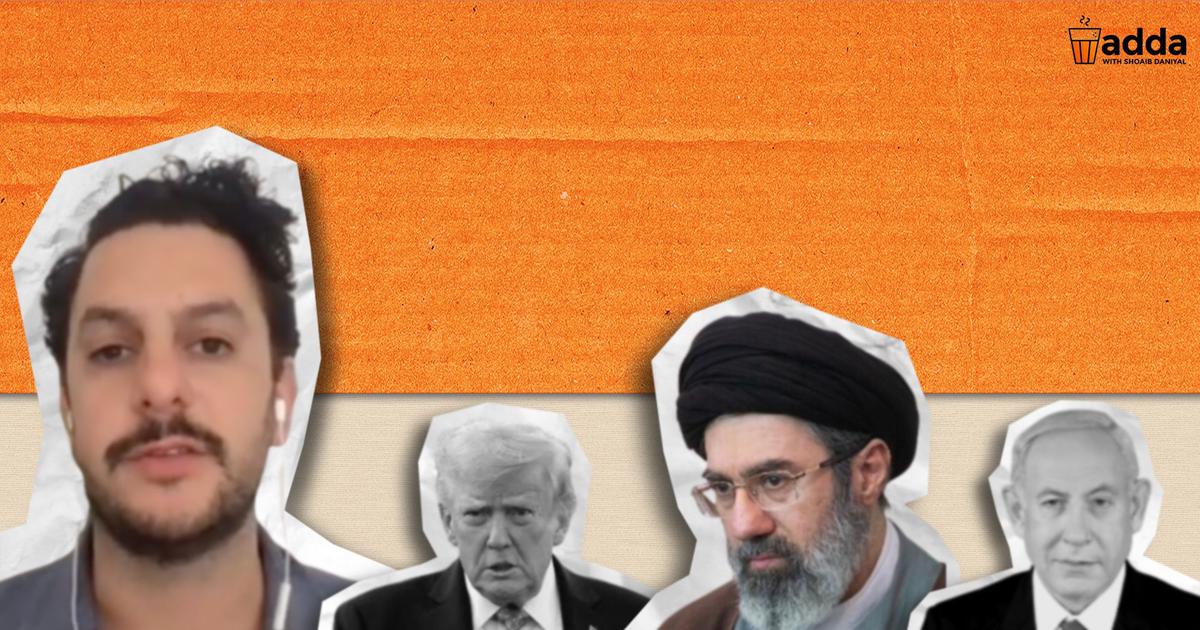
In a recent discussion on Scroll Adda, writer and anthropologist Alex Reza Shams elaborated on the factors that contribute to Iran’s resistance. He emphasized that the notion of surrender is simply not an option for the Iranian government, which perceives the struggle as an existential battle. Over decades, sanctions imposed by various nations have forced Iran to cultivate self-sufficiency, making it more resilient than many other countries in similar situations. This economic isolation has, paradoxically, strengthened its resolve and capabilities.
Shams cautions that this ongoing conflict could inadvertently empower extremist factions within Iran. The breakdown of diplomatic agreements has severely undermined moderate voices advocating for dialogue and reconciliation. Instead of presenting a united front, the Iranian political landscape reflects a tapestry of liberal and democratic movements that have struggled against oppressive regimes. This complexity is often overlooked in mainstream narratives that portray Iran as a monolithic entity.
The Iranian populace, with its rich history of cultural and political evolution, is not merely a passive participant in this geopolitical chess game. As the external pressure intensifies, it is crucial to understand the dynamics at play within Iran’s borders. The struggle against foreign intervention resonates deeply with the Iranian identity, which has long resisted external dominance.
For Indian readers, the implications of Iran’s resilience are multifold. As a nation that shares deep cultural and economic ties with Iran, India has a vested interest in understanding the nuances of this Middle Eastern powerhouse. The evolving scenario poses questions about energy security, regional stability, and India’s diplomatic strategy moving forward. Furthermore, the potential rise of extremism in Iran could have ripple effects across the subcontinent, warranting close attention and proactive measures.