Jammu University Committee Suggests Removal of Jinnah and Muslim Thinkers from Political Science Syllabus Amid Protests
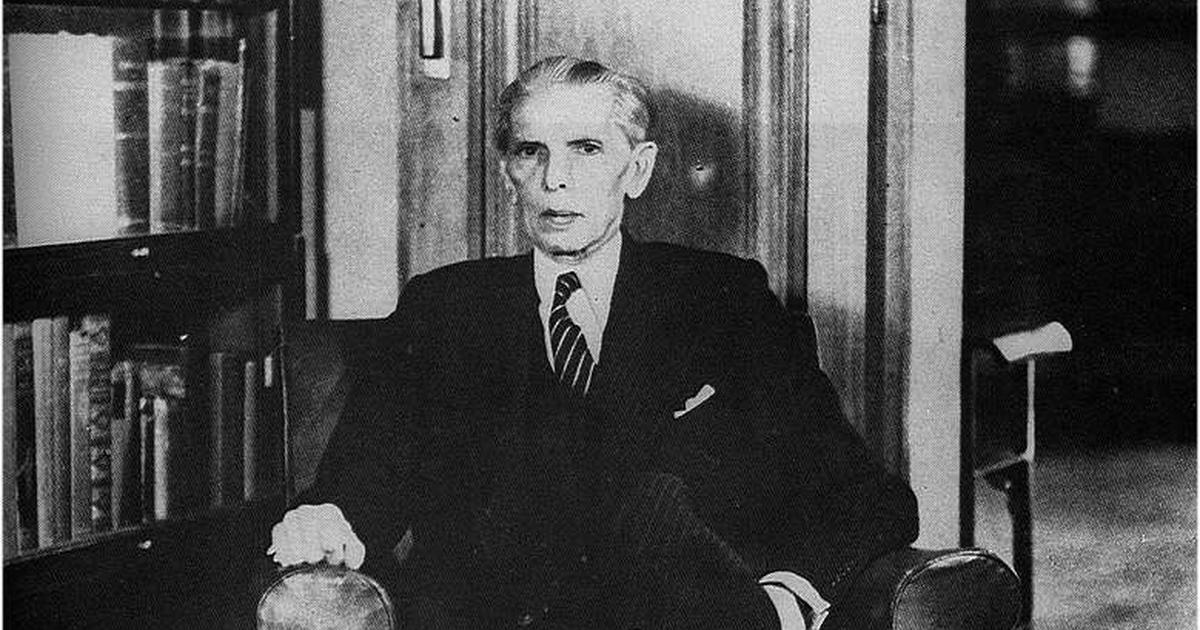
The University of Jammu is currently in the spotlight as a committee has proposed the removal of significant historical figures, including the former President of Pakistan, Muhammad Ali Jinnah, from its MA Political Science syllabus. The recommendation comes on the heels of protests organized by the Akhil Bharatiya Vidyarthi Parishad (ABVP), a student organization affiliated with the Rashtriya Swayamsevak Sangh (RSS), which is closely linked with the ruling Bharatiya Janata Party (BJP).
The committee, chaired by Professor Naresh Padha from the Physics Department, was assembled in response to student protests against a chapter on Jinnah’s political ideology. According to reports, the committee’s findings are set to be reviewed by the Board of Studies in a meeting scheduled for Tuesday.
Protest leaders, including J&K ABVP State Secretary Sannak Shrivats, articulated their opposition by arguing that Jinnah’s representation in academic discourse was problematic. Previously featured in discussions around the contentious “two-nation theory,” Jinnah’s recent inclusion in a chapter titled “Minorities and the Nations” raised eyebrows. Shrivats contended that this portrayal depicted Jinnah as a champion for minorities within India, a characterization he and the protestors find objectionable.
The implications of this recommendation extend beyond the immediate issue of syllabus content. It raises critical questions about the interpretation of historical figures in educational curricula and the influence of political ideologies on academic freedom. Baljit Singh Mann, the head of the Political Science Department at Jammu University, had previously expressed the need for a comprehensive understanding of all political thoughts, suggesting that the proposed changes could hinder students’ ability to engage with diverse perspectives.
This controversy is reflective of a larger trend within Indian academia, where the politicization of education has led to heated debates regarding what constitutes appropriate academic discourse. As educational institutions become battlegrounds for ideological clashes, the challenge remains to balance historical accuracy with the sensitivities of contemporary political landscapes. The outcome of the Board of Studies meeting could set a precedent for how historical narratives are shaped within Indian education.