Jammu University’s Decision to Omit Influential Muslim Thinkers Raises Concerns Over Academic Freedom
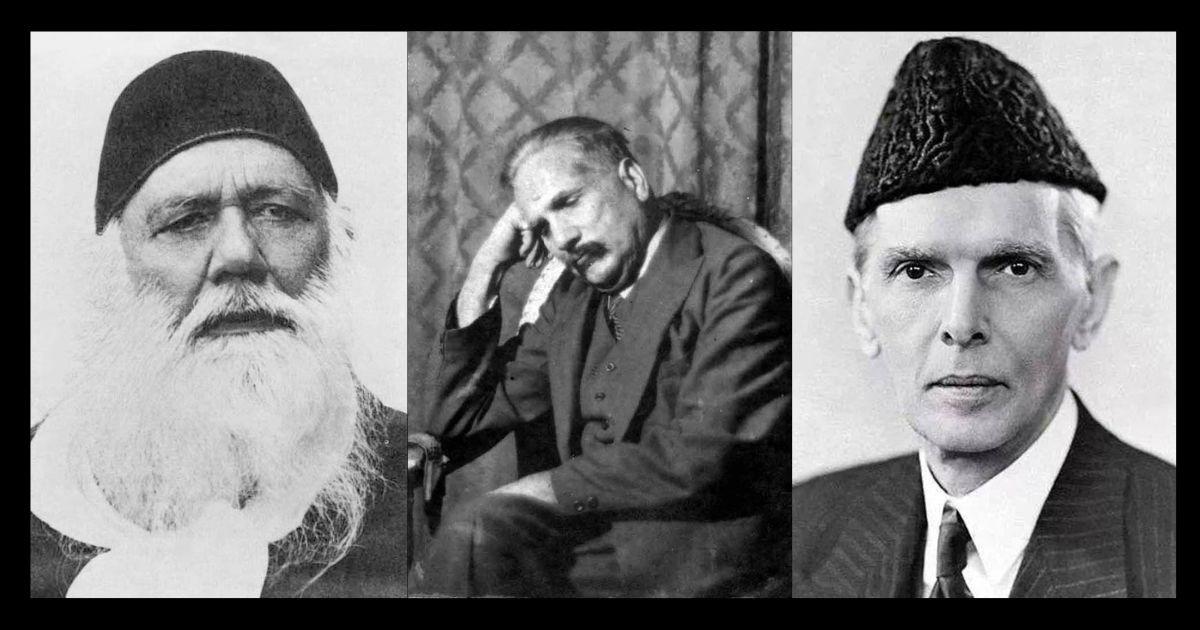
The recent recommendation by a committee at Jammu University to eliminate references to prominent Muslim thinkers like Muhammad Ali Jinnah, Syed Ahmed Khan, and Muhammad Iqbal from its MA Political Science curriculum has sparked a heated debate about the integrity of higher education in India. This move, announced on March 22, is seen as a reaction to public sentiment, yet it underscores a troubling misinterpretation of a university’s role in fostering intellectual growth.
Education at the university level is meant to challenge students, encouraging them to engage with a variety of perspectives, even those that might be controversial or uncomfortable. As philosopher Aristotle famously articulated, an educated mind is capable of considering a thought without necessarily adopting it. By sidelining figures who played significant roles in shaping the political landscape of the subcontinent, Jammu University appears to be suggesting that its students lack the maturity to grapple with complex ideas without being adversely influenced.
This act of intellectual censorship raises serious concerns about the erosion of critical thinking skills among postgraduate students. The concepts put forth by Iqbal and Jinnah regarding the Two-Nation Theory, as well as Syed Ahmed Khan’s advocacy for Muslim distinctiveness, are crucial for understanding the historical and political dynamics that have shaped South Asia. Omitting these thinkers from the academic discourse is tantamount to studying pivotal historical events like the French Revolution or the Cold War while ignoring key figures such as the Jacobins or Karl Marx. Such sanitization of the curriculum not only diminishes the breadth of education but also risks creating a generation of scholars who are ill-prepared to analyze and interpret the world around them.
Furthermore, the decision reflects a broader trend in educational institutions across India, where there is an increasing push to align academic content with prevailing social sentiments, often at the cost of historical accuracy and scholarly rigor. The necessity for students to engage with diverse viewpoints cannot be overstated; it is this very engagement that fosters a nuanced understanding of society and its complexities.
As India grapples with its diverse cultural and political identity, the importance of inclusive education becomes even more pronounced. Scholars and educators must advocate for a curriculum that embraces a wide array of perspectives, promoting dialogue rather than division. Excluding influential thinkers based on their religious identity or the controversy surrounding their ideas is a dangerous precedent that could undermine the very foundation of academic inquiry.
In light of these developments, it is imperative that educational institutions recommit to their original purpose: to enlighten students through a comprehensive understanding of history and political thought. By confronting challenging ideas rather than shying away from them, universities can cultivate a generation of critically minded individuals who are equipped to navigate the complexities of contemporary society.