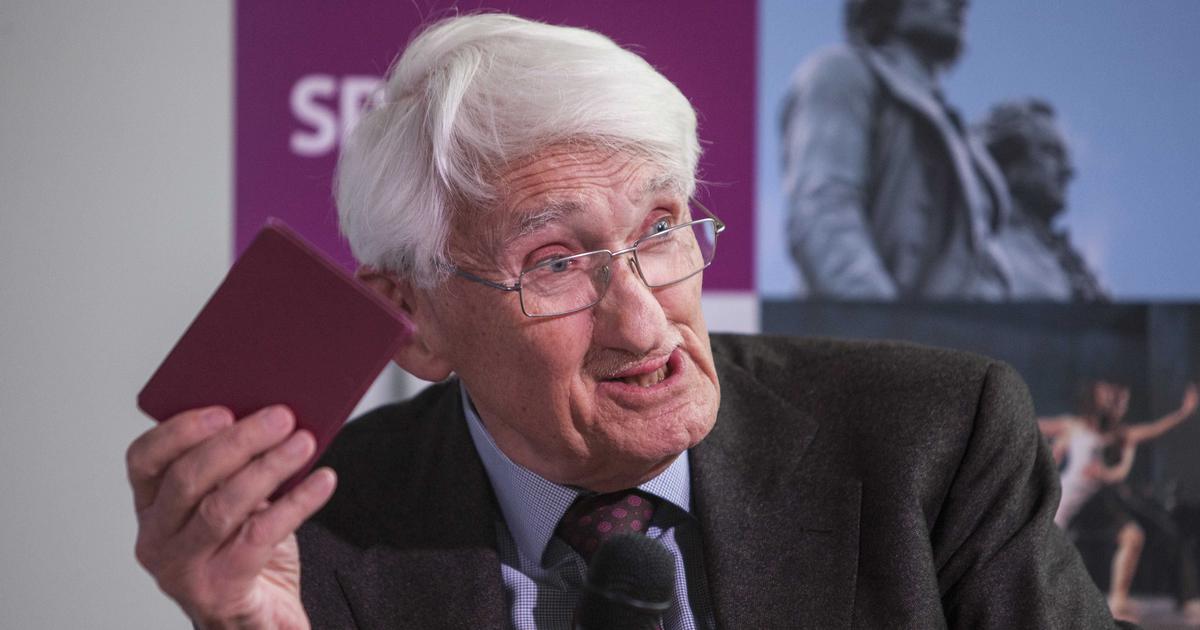
Jürgen Habermas, the renowned German philosopher and social theorist, recently passed away, leaving behind a legacy that continues to resonate in discussions surrounding freedom, democracy, and civic engagement. As we navigate the complexities of modern governance and the omnipresence of state machinery, Habermas’s insights offer a profound understanding of what it means to be a citizen in today’s world.
In an era where skepticism about philosophical inquiries is rampant, many dismiss such discussions as mere abstractions disconnected from reality. However, Habermas presented a compelling alternative. He challenged us to transcend our passive roles as subjects of bureaucratic power and encouraged us to embrace a more celebratory and participatory view of our identities. His concept of ‘stranger sociability’ emphasizes the importance of connection and dialogue among diverse individuals, allowing for a shared experience that goes beyond our individual backgrounds.
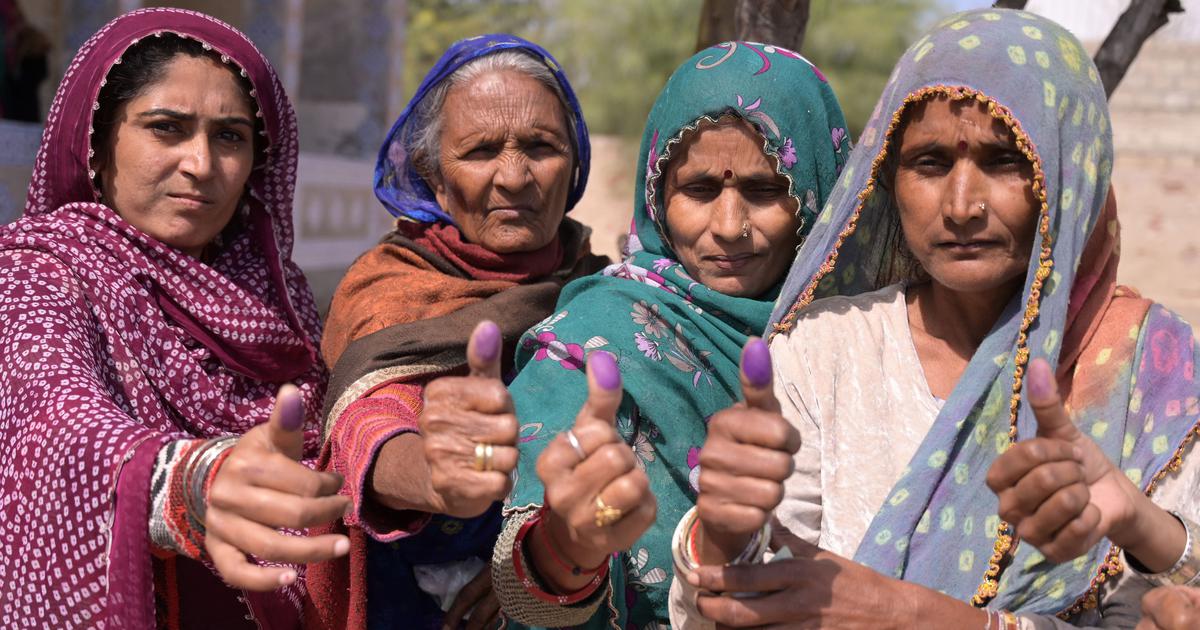
The teachings of Habermas found a unique resonance in India, particularly through the lens of my late mentor, Bernard Bate. Bate’s exploration of public oratory and civic engagement in South Indian culture elucidated how Habermas’s theories could be applied to the postcolonial context of India. In a nation characterized by a multitude of castes, religions, and communities, the potential for a democratic self to emerge from this rich tapestry is immense. Through the lens of Habermas, we can envision a public sphere where individuals actively engage with one another, promoting dialogue while respecting differences.
In practical terms, this means creating spaces for open discussion where every voice can contribute to the collective narrative. Such engagement not only challenges existing power structures but also fosters a sense of belonging that is crucial in a diverse society like India. The power of public discourse, as advocated by Habermas, encourages us to look beyond our immediate affiliations and consider our roles as members of a larger democratic community.
As we reflect on Habermas’s contributions, it is essential to recognize the urgency of applying his theories to contemporary challenges in India. From social inequalities to political disenfranchisement, the need for an engaged citizenry has never been more pressing. By embracing the ideals of democratic participation and mutual respect, we can work towards a society that honors both individual identities and collective aspirations, ultimately fulfilling Habermas’s vision of a more just and inclusive public sphere.