Justice Yashwant Varma Resigns from Allahabad High Court Amid Unaccounted Cash Investigation
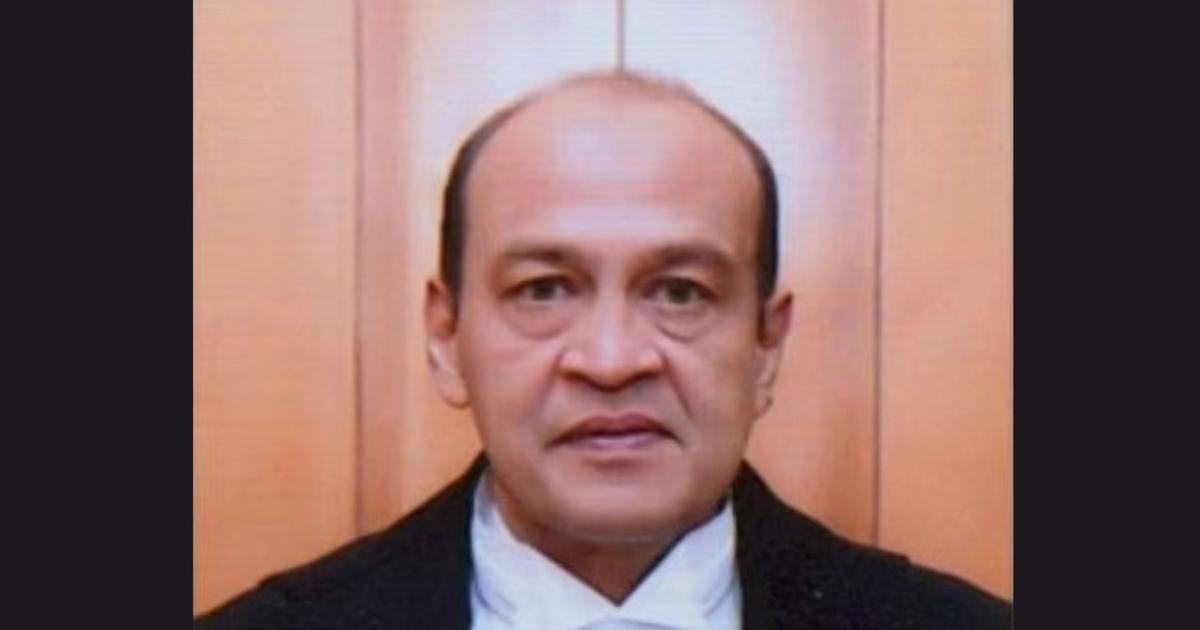
In a significant development within the Indian judiciary, Justice Yashwant Varma of the Allahabad High Court has tendered his resignation following an ongoing inquiry into an unaccounted cash controversy. On Thursday, he formally submitted his resignation to President Draupadi Murmu, as reported by Live Law, with a copy of the letter also sent to Chief Justice Surya Kant.
The scandal traces back to March 14, 2025, when a fire broke out at Varma’s official residence in Delhi. Emergency services discovered a substantial amount of unaccounted cash during the incident. At that time, Varma was serving as a judge at the Delhi High Court and claimed to be away in Bhopal when the cash was found. He vehemently denied ownership of the money, asserting that it did not belong to him or his family, a statement that has since sparked considerable controversy.
Following the discovery of the cash, Varma was transferred to the Allahabad High Court, a move that was perceived as an initial response to the mounting allegations against him. The judicial community and public opinion were divided, raising questions about the integrity of the judiciary and the accountability of its members.
Varma’s resignation comes in the wake of a statement made over two months ago by Union Parliamentary Affairs Minister Kiren Rijiju, who revealed that the process for Varma’s impeachment was already underway. The Union government has been awaiting the findings of a three-member committee established under the Judges Inquiry Act of 1968. This committee was set up by Lok Sabha Speaker Om Birla on August 12 to investigate the allegations against Varma. On February 25, 2025, the committee was reconstituted when one of its members, Chief Justice Manindra Mohan Shrivastava of the Madras High Court, was due to retire shortly.
The circumstances surrounding Varma’s resignation add to a growing list of challenges facing the Indian judiciary regarding its transparency and accountability. The judiciary is often seen as the last bastion of justice, and incidents like this shake public confidence, raising concerns about the mechanisms in place to deal with allegations of misconduct among judges.
As the situation continues to unfold, the broader implications of Varma’s resignation will likely be scrutinized. The outcome of the impeachment process, the committee findings, and the public’s reaction will all play a crucial role in shaping the discourse around judicial accountability in India. Justice Varma’s case serves as a poignant reminder of the challenges the Indian judiciary faces, further fueling discussions about the integrity of judicial processes in the country.